Our generation remembers Gdansk as the birthplace of the Solidarity Movement.
History buffs will also know it as the place where WWII began.
An important shipbuilding port since the Middle Ages, it was part of Poland for centuries. It was annexed by Prussia (Germany) in 1793 and renamed Danzig. After Germany’s defeat in WWI, it became the Free City of Danzig under the auspices of the League of Nations with Poland having free use of the port, a Polish Post Office in the city and a police garrison on the coast at Westerplatte.
In 1939, the German government demanded return of the city and a land corridor joining it to Germany. On 1 September 1939, Hitler used the rejection of that proposal as the pretext for invading Poland, launching simultaneous attacks on Westerplatte and the Polish Post Office.
The invasion at Westerplatte is well known, but the attack on the post office isn’t.
The lightly armed postal officers heroically held out for 15 hours but were eventually subdued. Those left standing were shot against a wall at the back of the building. The post office building is now a museum documenting the event and the history of the Polish Postal Service.
We thought this memorial outside the building was impressive.

Having incorporated the city into the German Reich, the shipyard was put into military production, specifically building U-boats. That made the shipyard the target of intensive bombing by the Allies throughout the war.
Inevitably, large parts of the historic old city were also destroyed. When it was being reconstructed in the 1950s and 60s, a deliberate decision was made to dilute the ‘German-ness’ of the architecture. It was supposedly to recreate how it looked before the annexation by Prussia. Which is why Flemish, Dutch, Italian and French influences are plain to see.
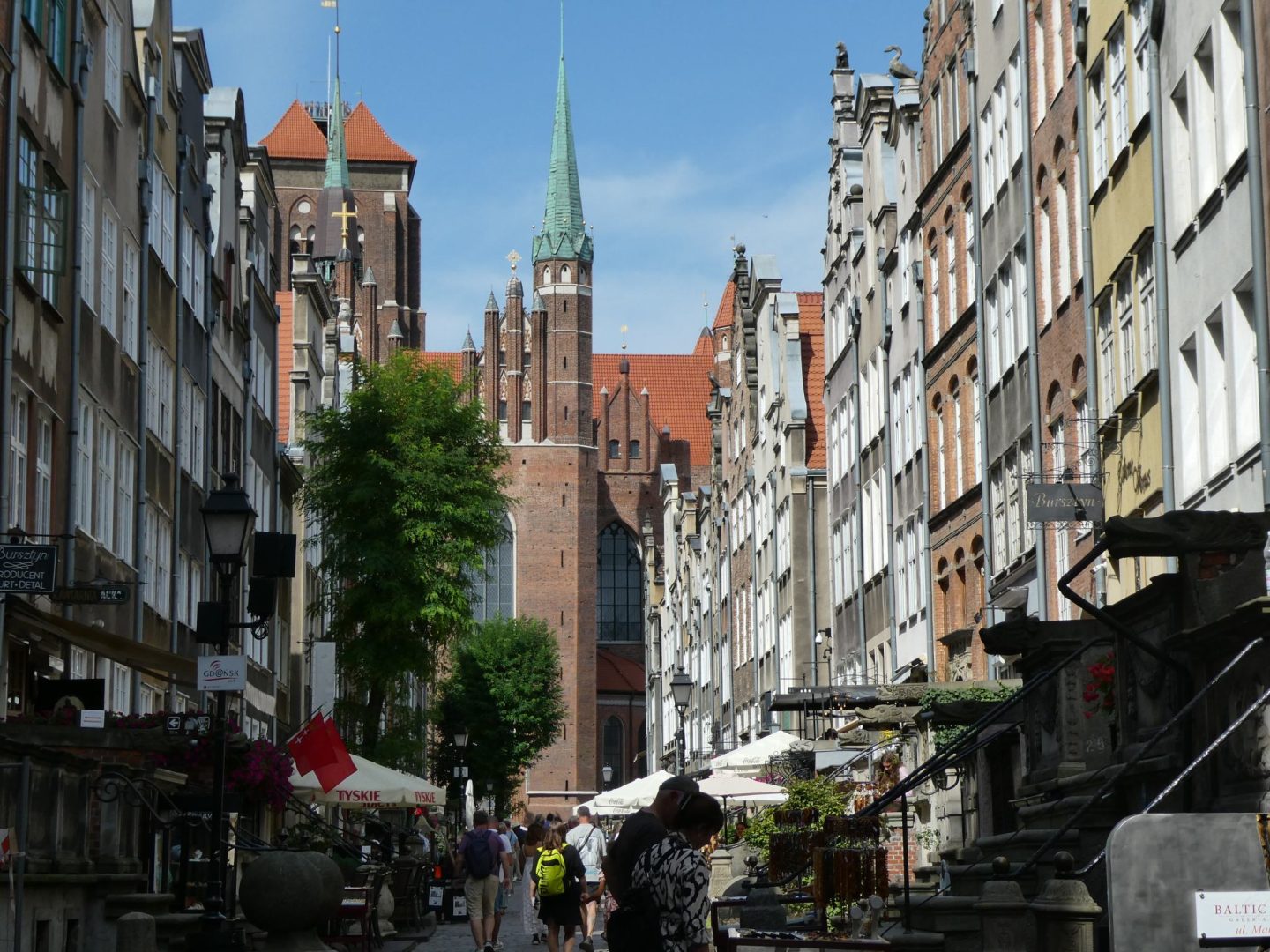
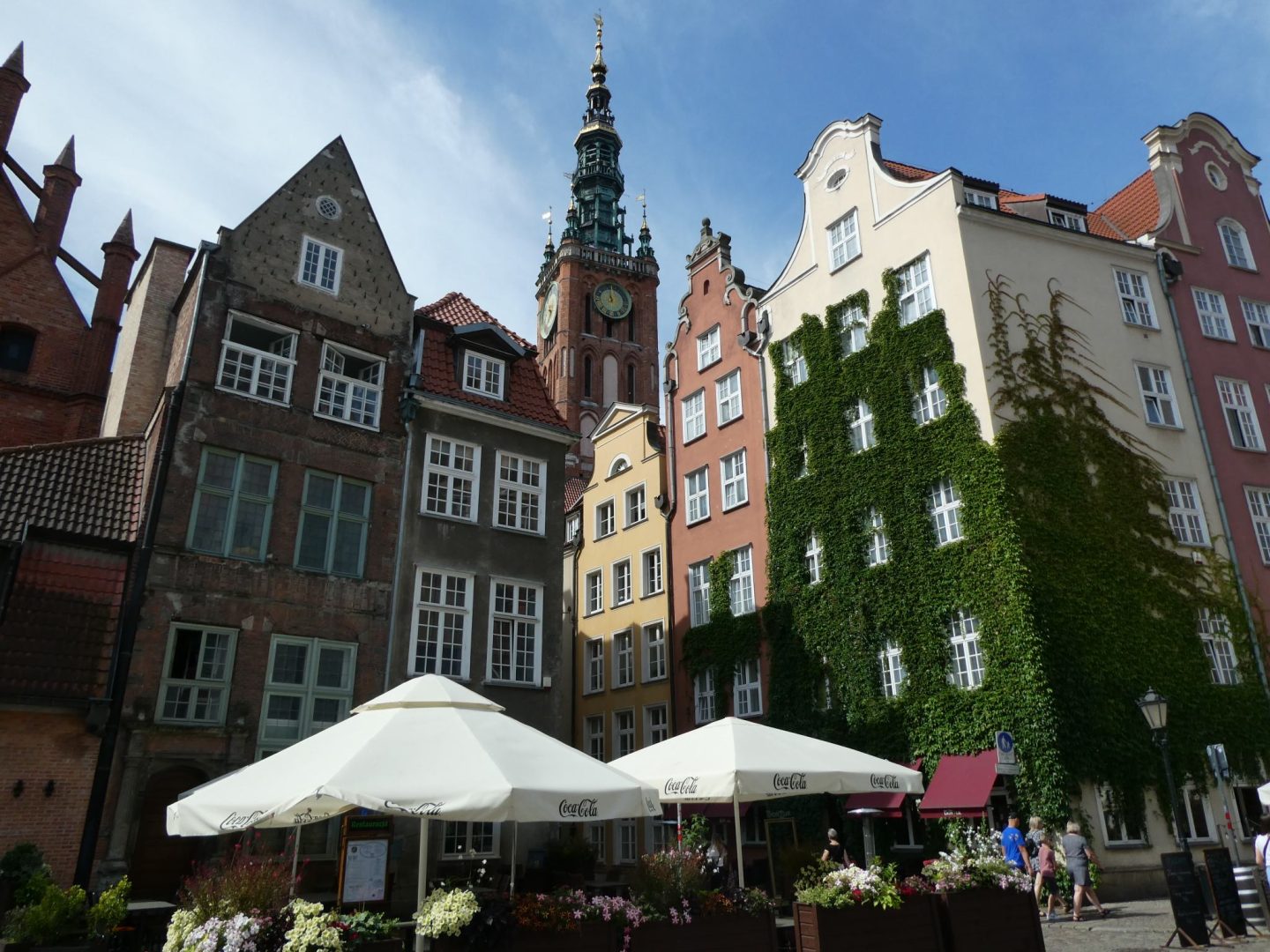
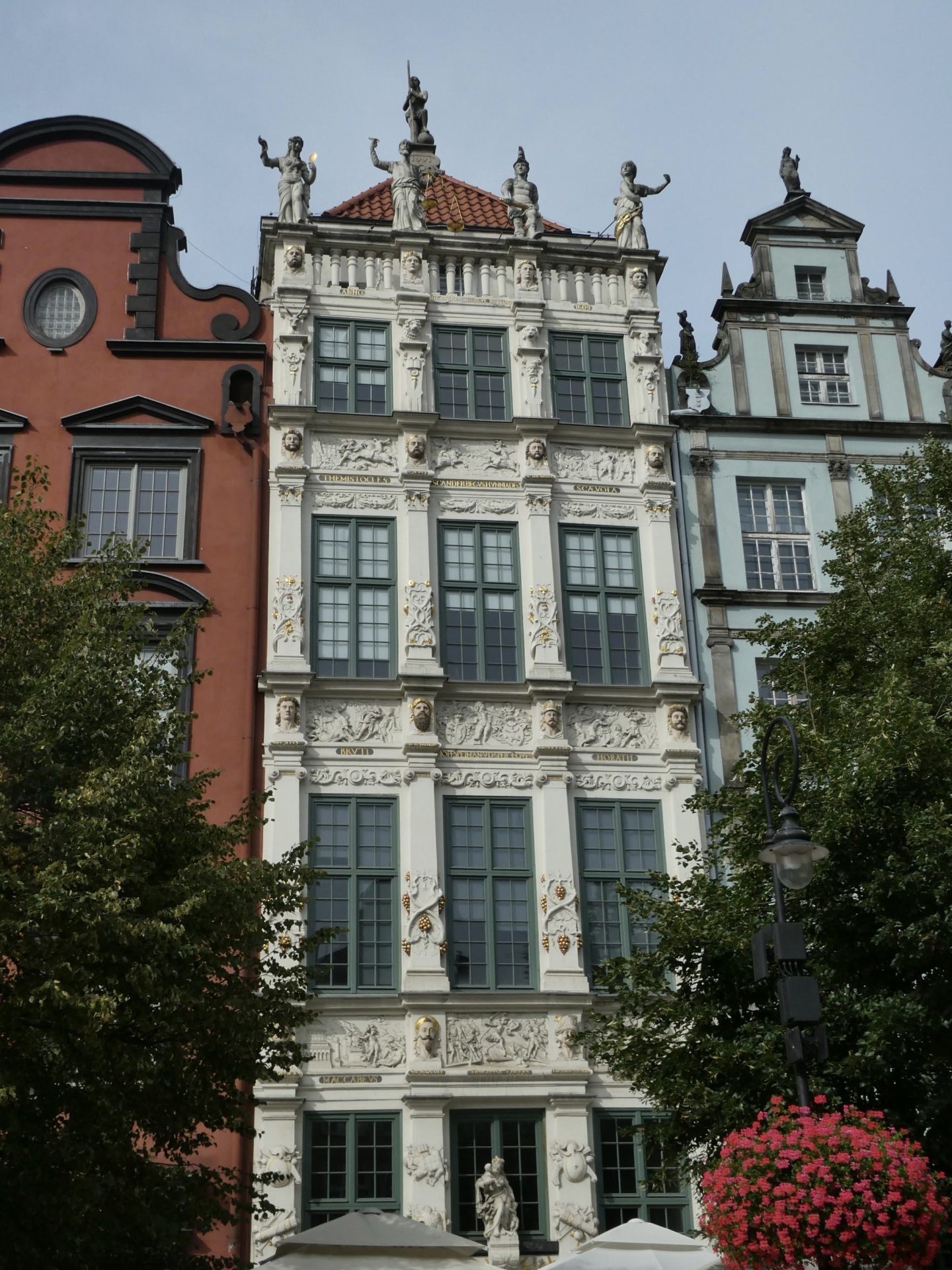
The main avenue through the Old Town is the Long Market. Packed with people any time of the day or night, it’s lined with restored pastel facades.


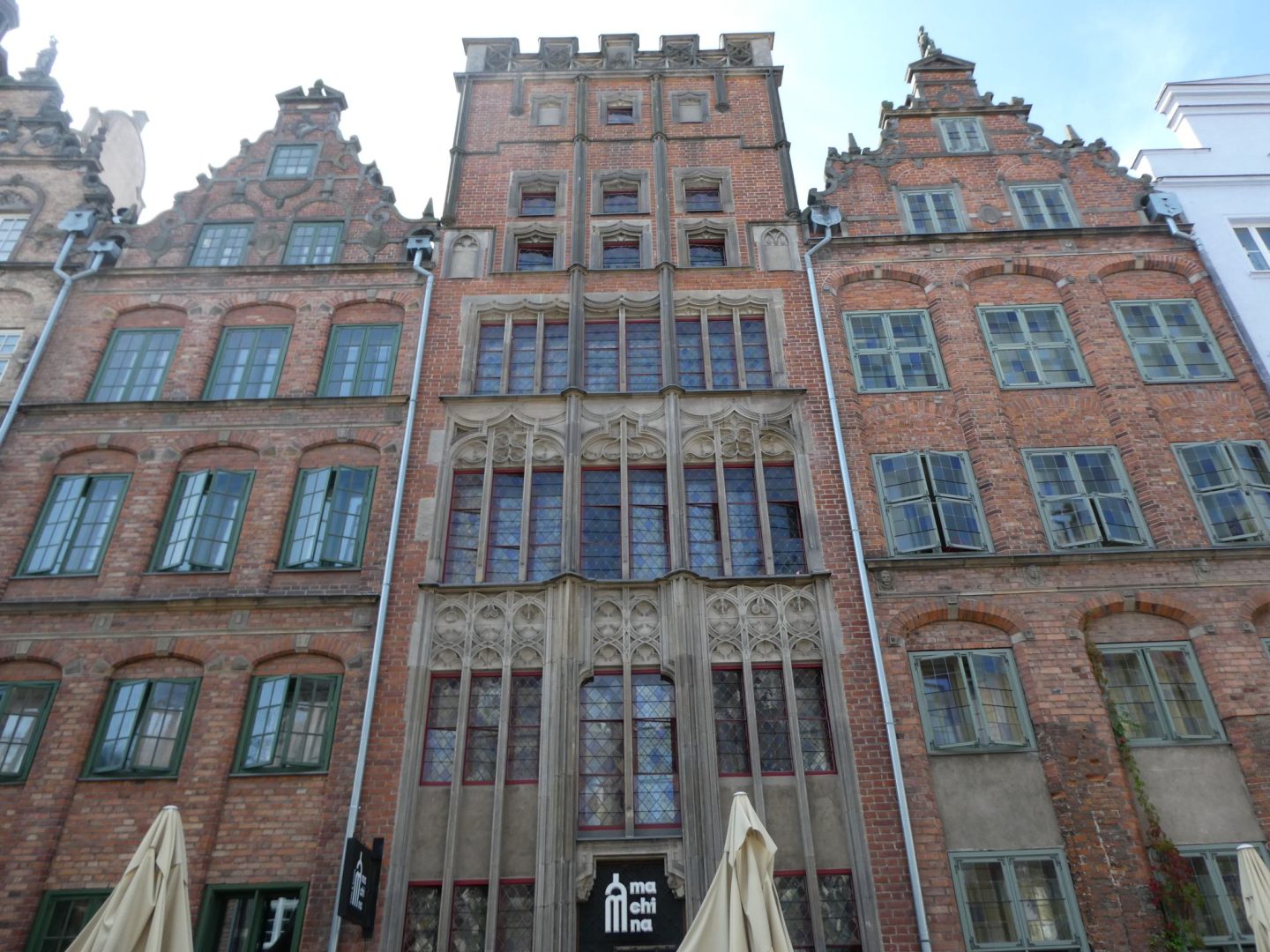
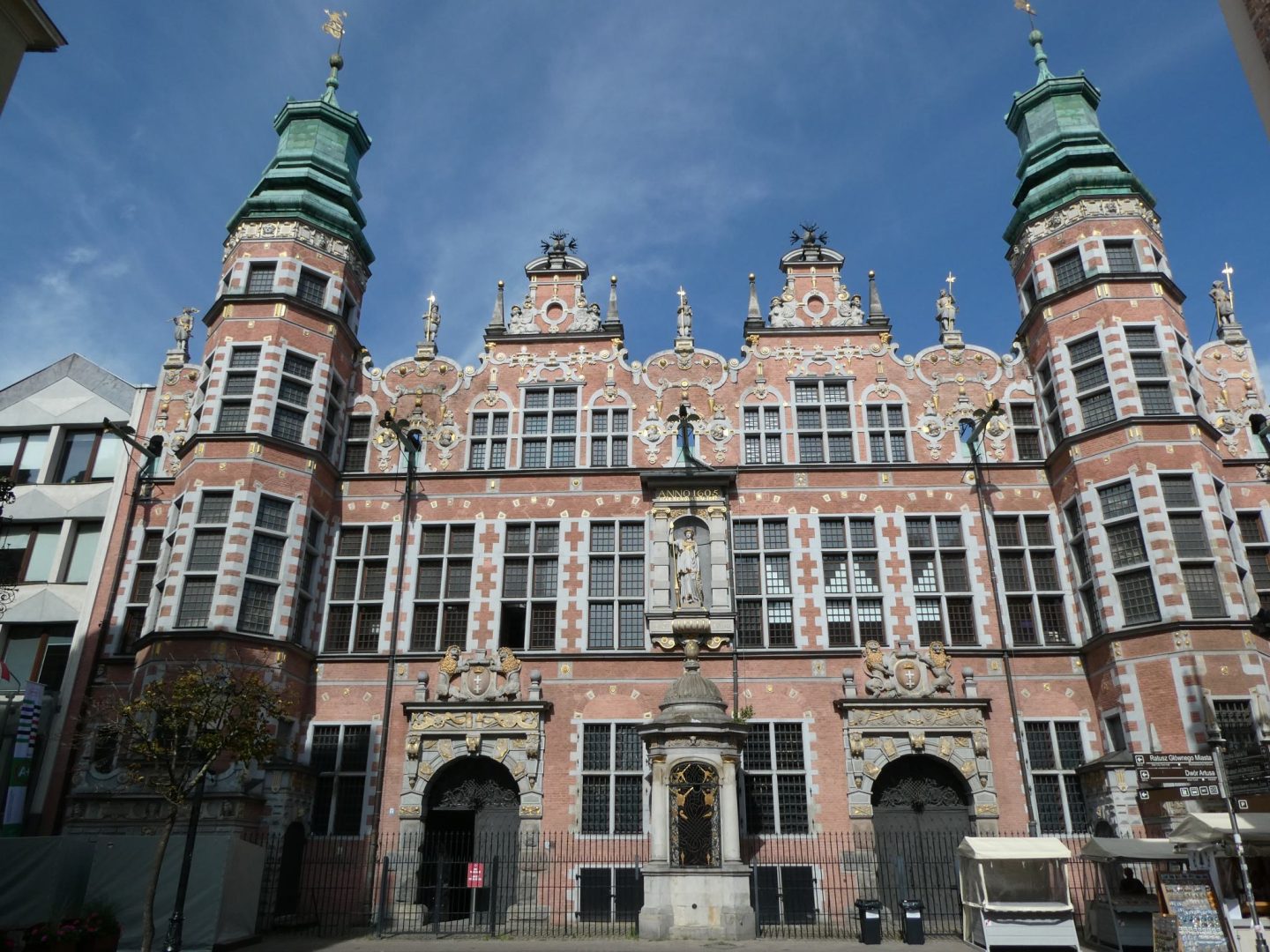
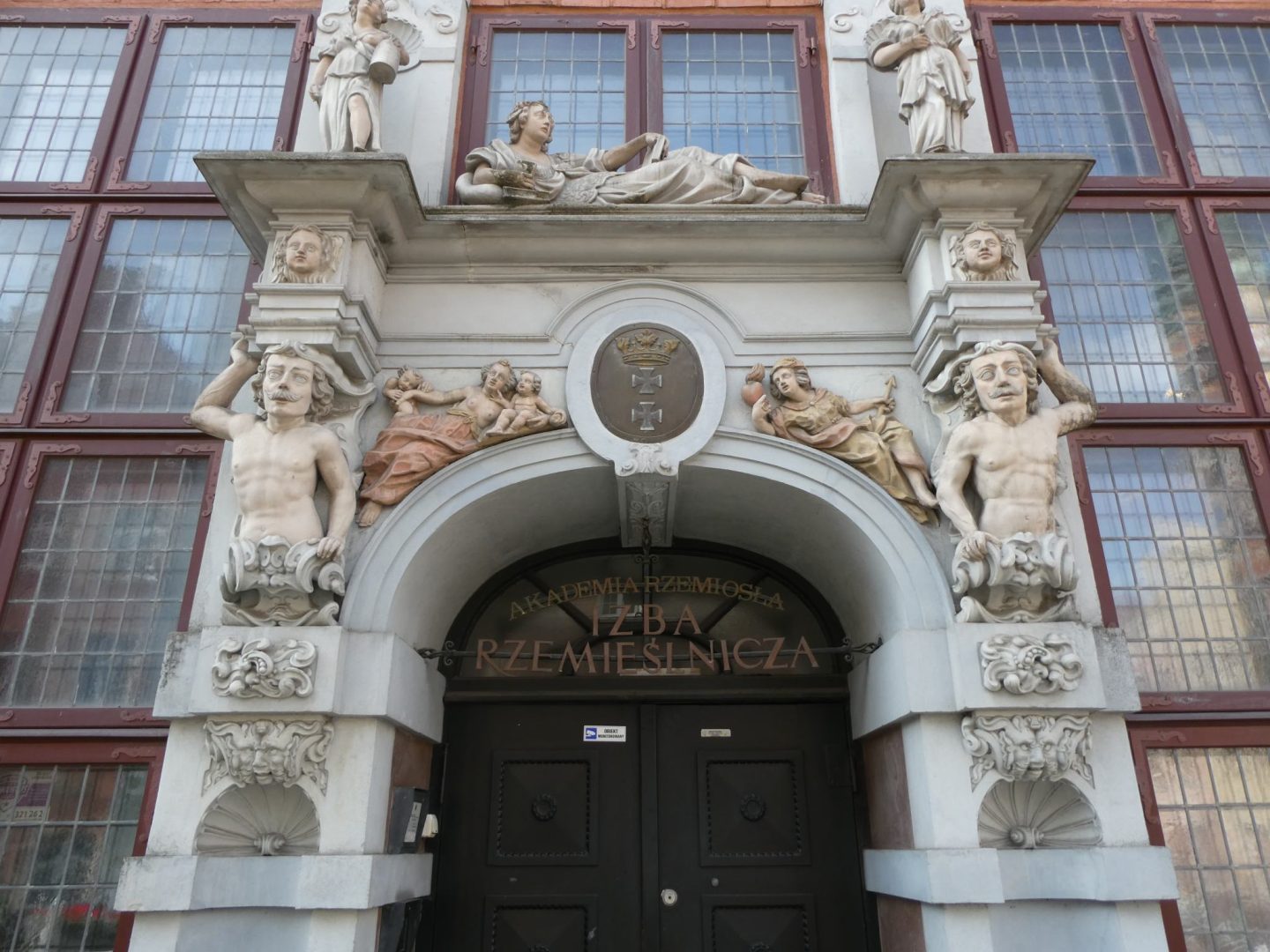
The whole of the Old Town is gorgeous. The attention to detail on some of the buildings is impressive.
Legend has it that when Neptune’s Fountain was first installed in 1633 his trident spouted goldwasser, a traditional Gdansk liqueur. It survived WWII because it was moved elsewhere and only returned in peacetime. In 1988, renovations included covering Neptune’s genitals with a fig leaf.

St Mary’s Basilica is one of the largest brick churches in the world, with room for 25,000 to attend services.
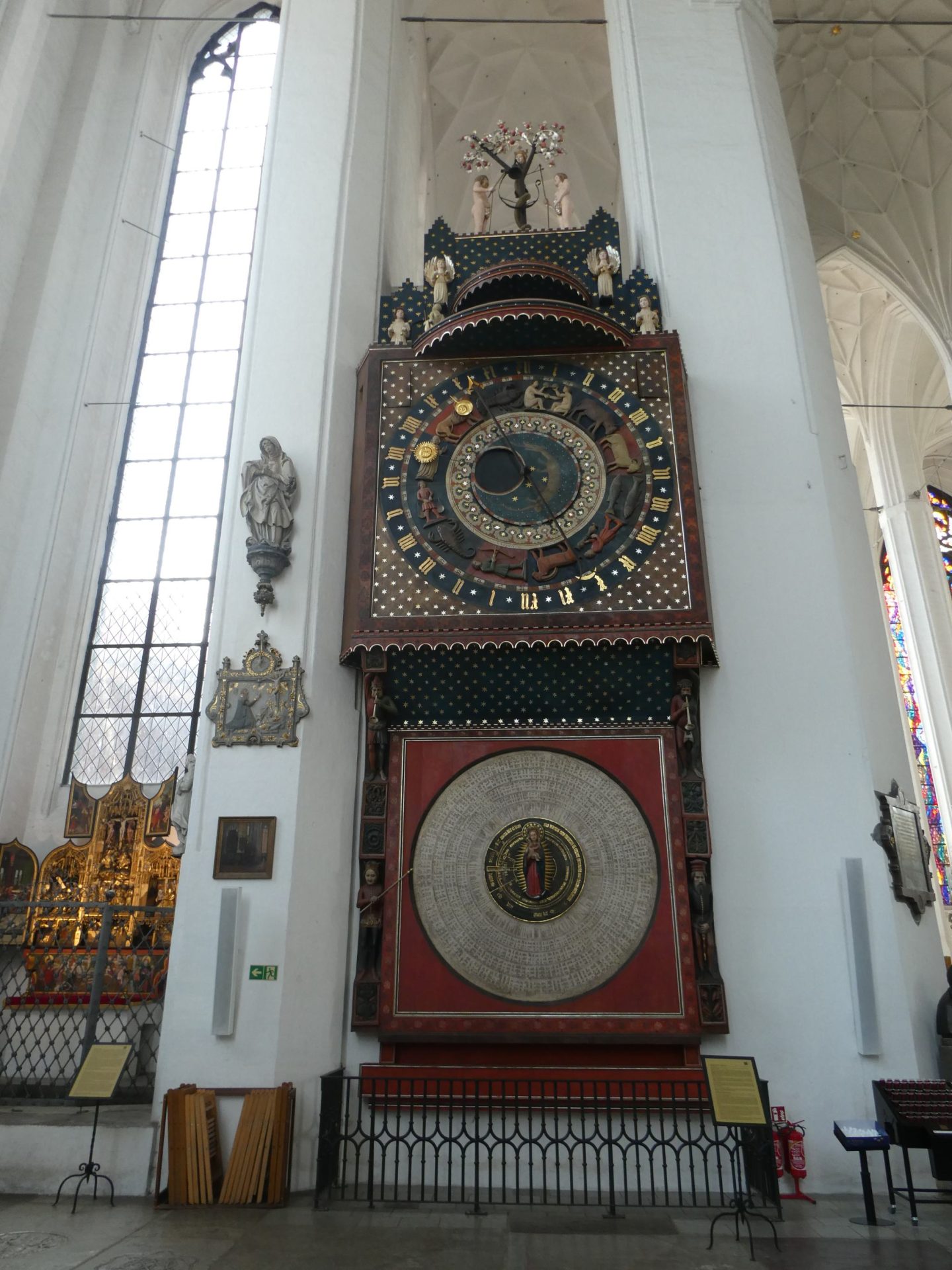
Inside, there’s an intricate astronomical clock completed in 1470. It was dismantled and taken out of Gdansk in 1944. The dials, 70% of the housing and its sculptures survived the war and the clock was reconstructed in 1987.
 There are graphic memorials to the victims of various atrocities.


Gdańsk’s historic centre snakes along the Motlawa River where buildings which were once granaries, storehouses and merchants’ mansions line the bank.
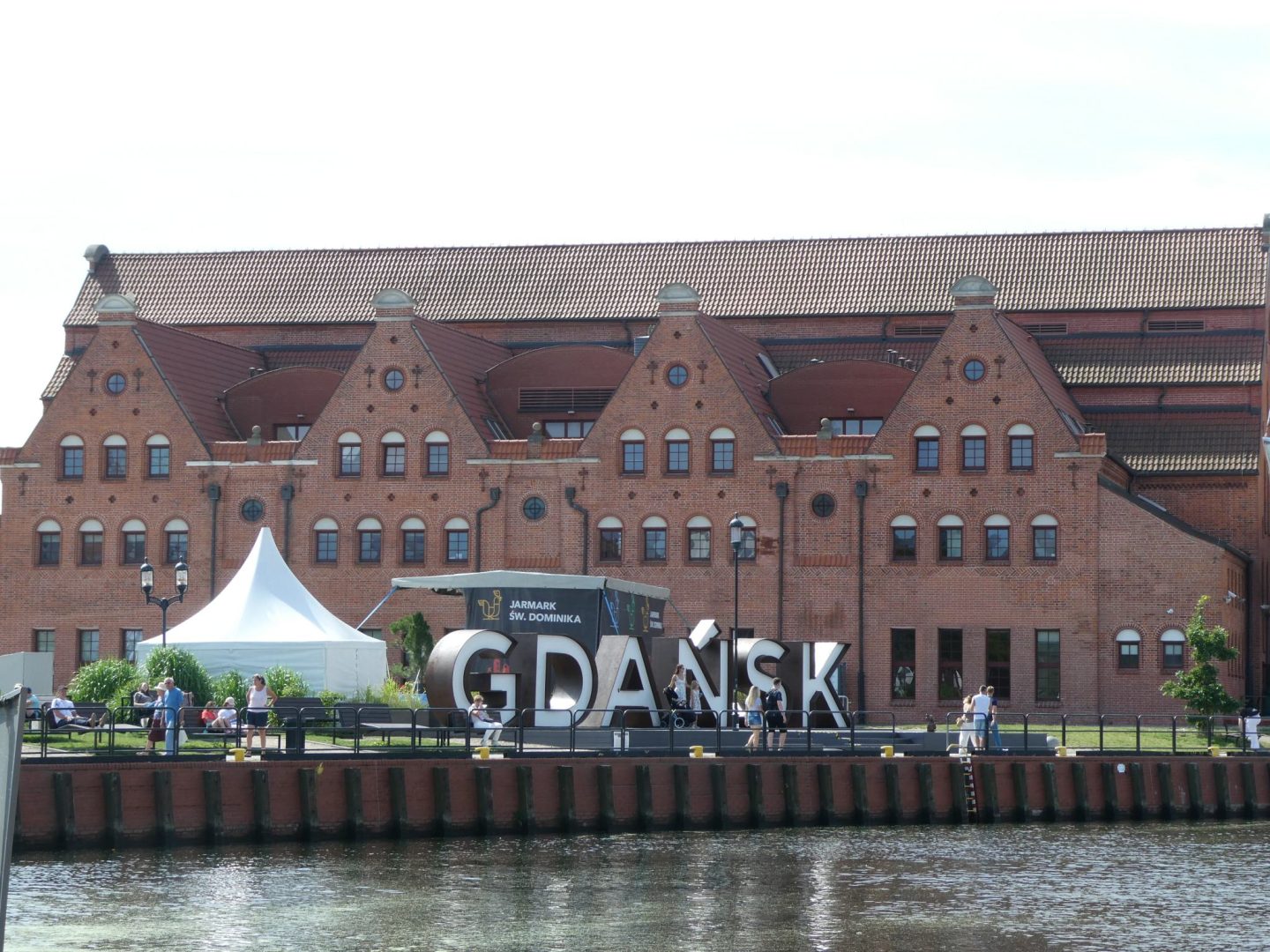
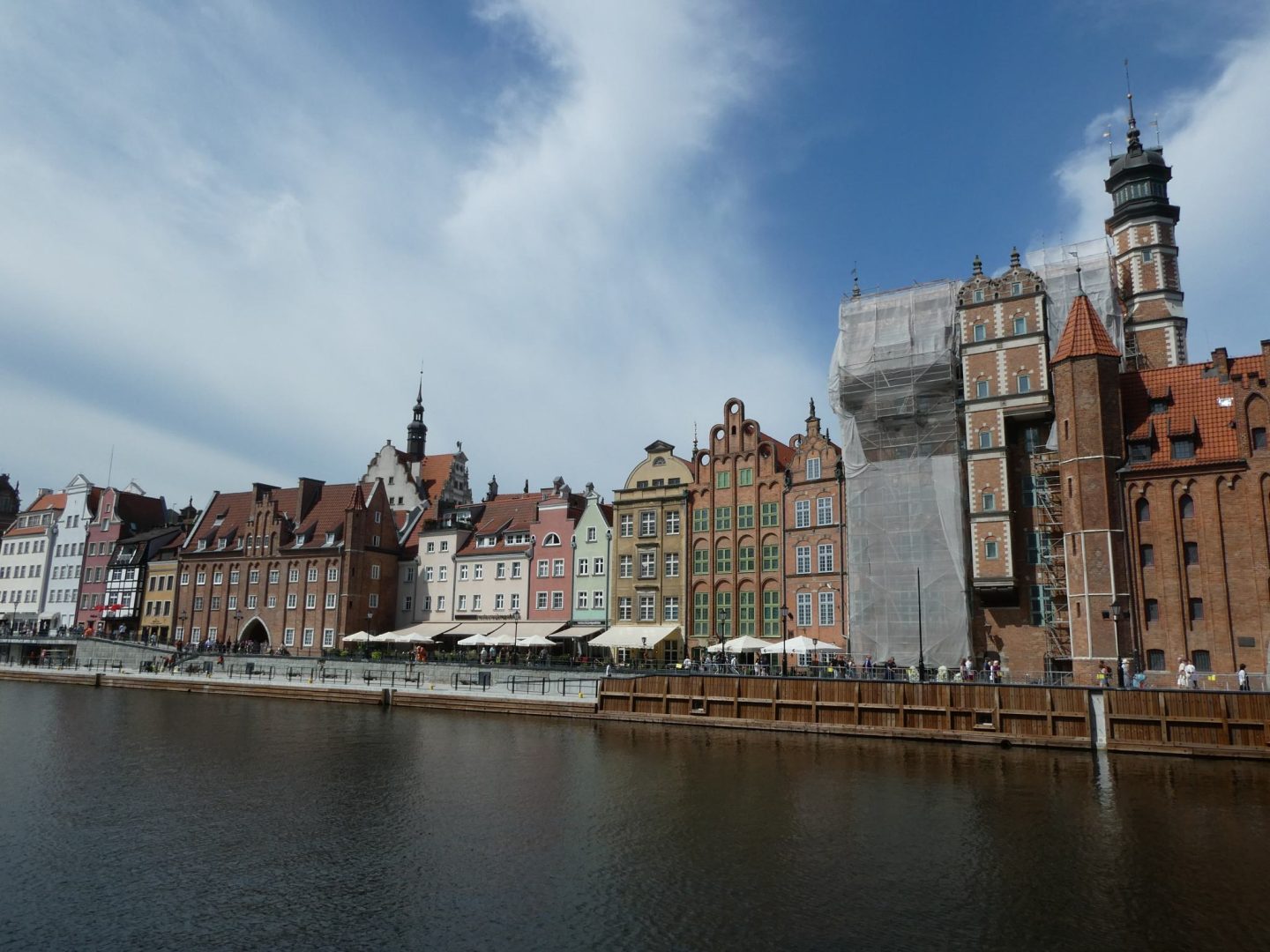
One of the city’s most recognisable images is the Crane, a reconstruction of a former port crane built between 1442 and 1444. Two brick towers with a wooden mechanism between them served as a loading crane, city gate and defensive bastion.
 The SS Soldek is moored outside the National Maritime Museum. It was the first seagoing vessel built at the Gdansk shipyard after liberation in 1945.

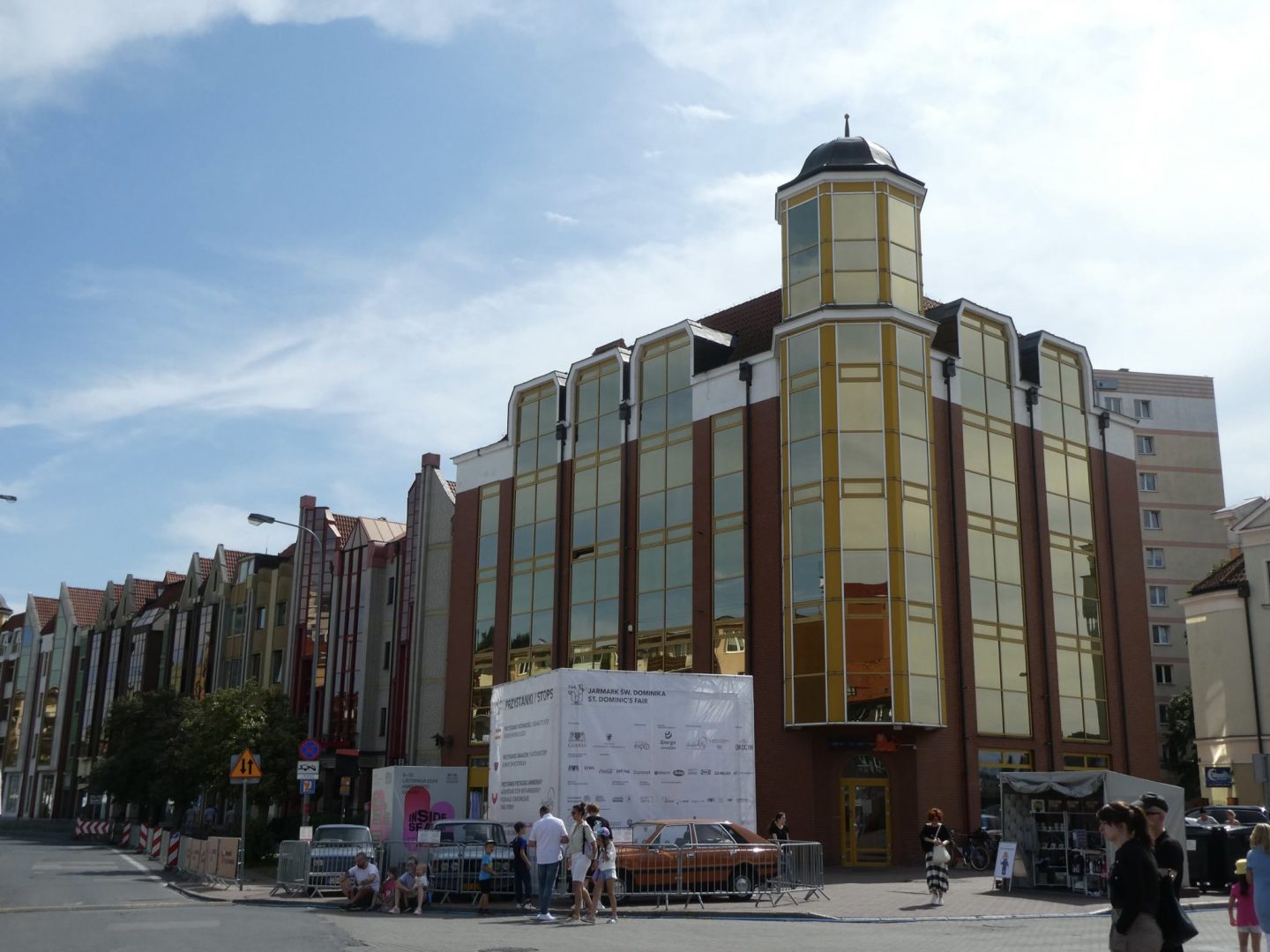
New buildings have to be sympathetic to the historical style. Facing the old town from across the river are lots of exquisitely designed hotel, apartment and commercial buildings which reference the granaries which once stood there.
.
 Although we weren’t fussed on this reflective gold monstrosity.
 The Bread Bridge was built over the Radunia Canal in the 1330s. We think it was named for a mill which operated there. The Miller’s House looks straight out of Middle Ages Holland.
Nowadays it’s nicknamed the Love Bridge. It’s fallen victim to that annoying and unimaginative habit of putting locks on the railings.

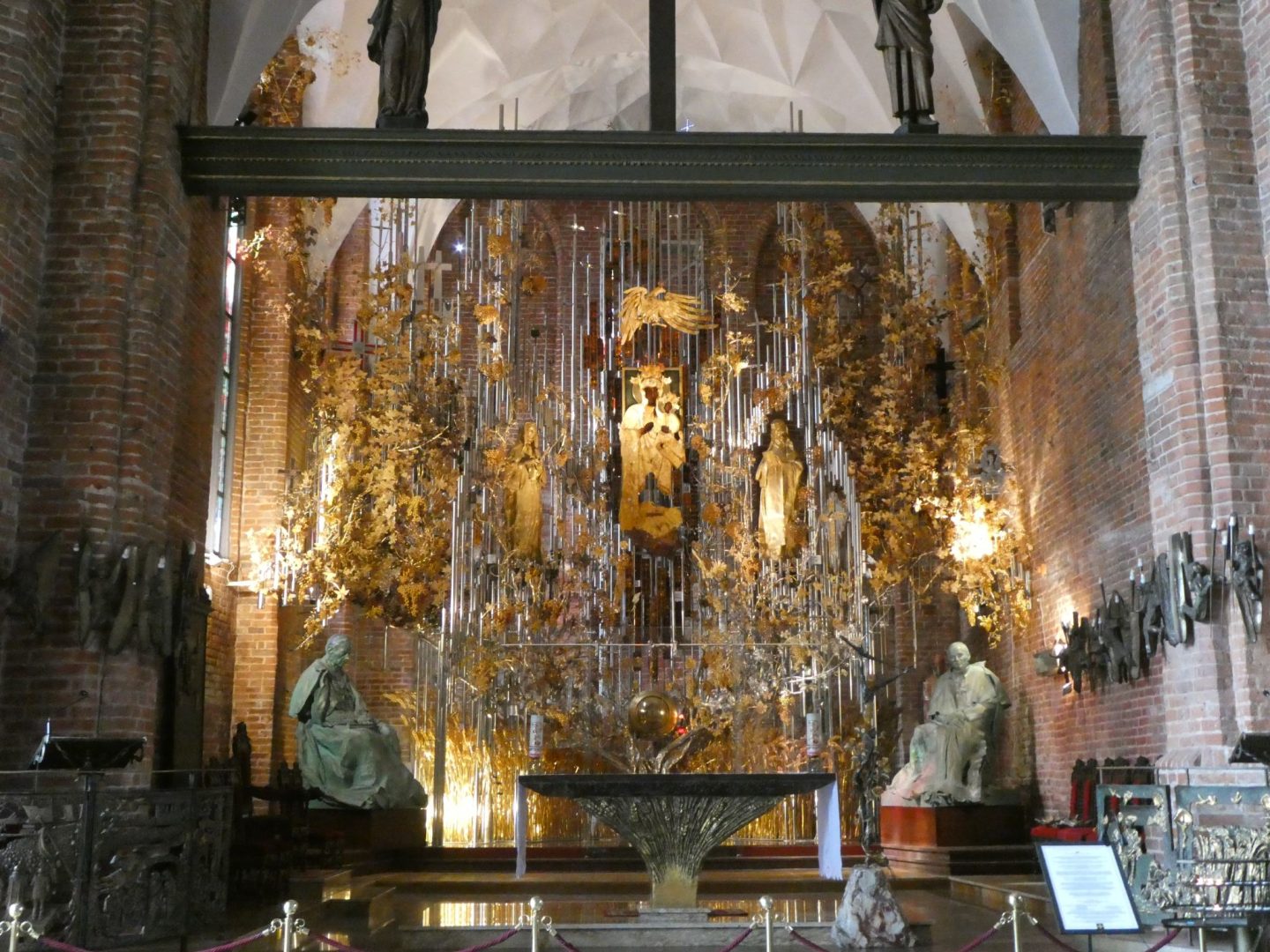
We’ve seen so many churches in Europe, it takes something out of the ordinary to spark our interest. The amber altar at St Bridget’s Church did. Unveiled in 2017, it took 17 years and 840kg of amber to create this stunning 13 metre high centrepiece. It’s still being added to ‘grain by grain’ as devotees donate amber, gold and precious stones.

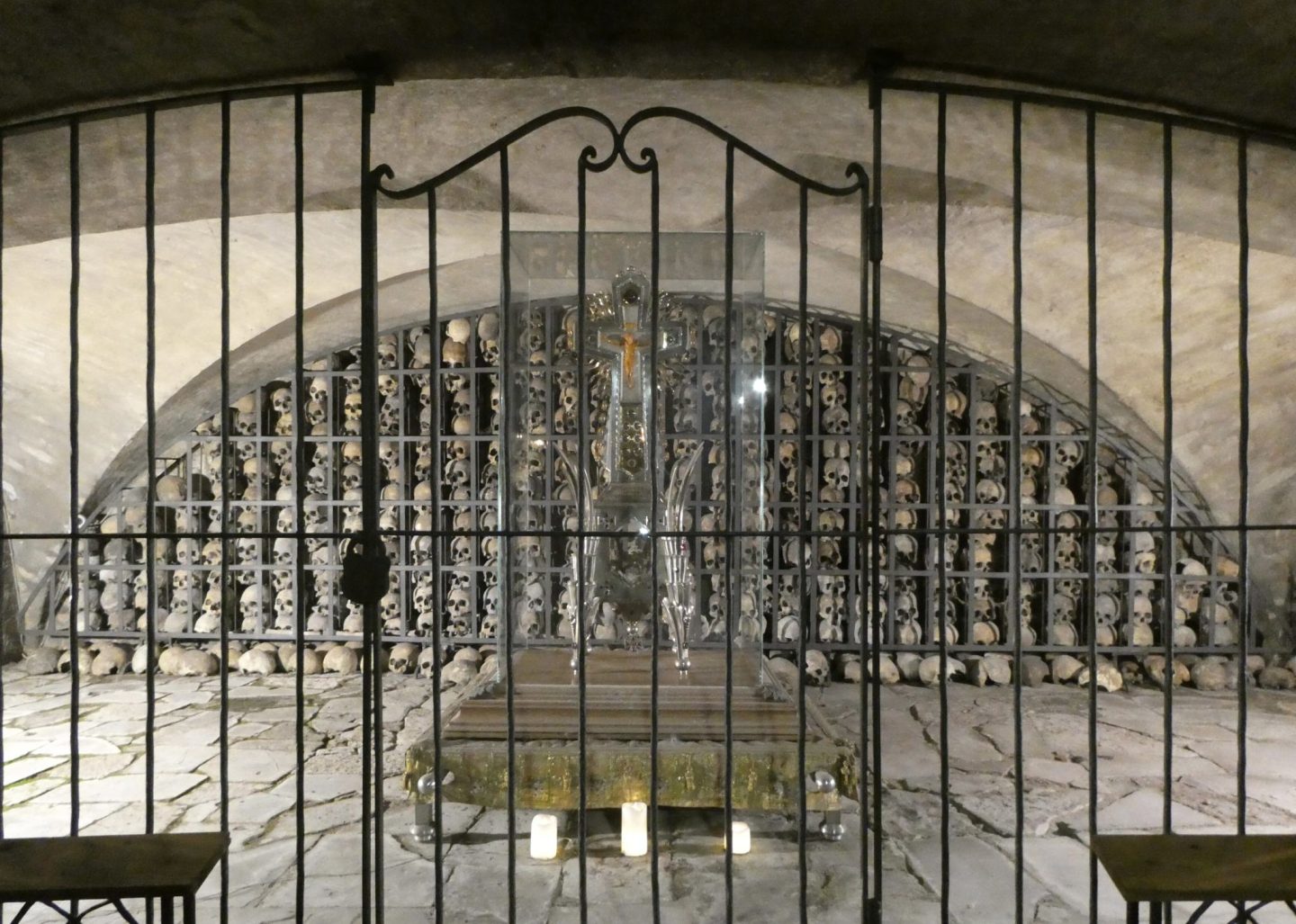
In 2016, an entrance to an underground crypt was discovered. Inside were approximately 500 skulls believed to be those of nuns belonging to the Sisters of Saint Bridget who lived in a monastery here in the 16th and 17th centuries. No mention of what happened to the bodies or why their skulls were secreted in a crypt.
Summer is in full swing and that means St Dominic’s Fair. It’s been held in Gdansk every year since 1260, including 2020 despite COVID-19. 764 years. Amazing.

Many of the city streets become pedestrianised for the duration of the festival. Booths selling food, drinks, jewellery, clothing, trinkets and toys line the streets and squares. Some of the clothes stands were particularly good: really high quality items by local designers.


Food stands were good, too.
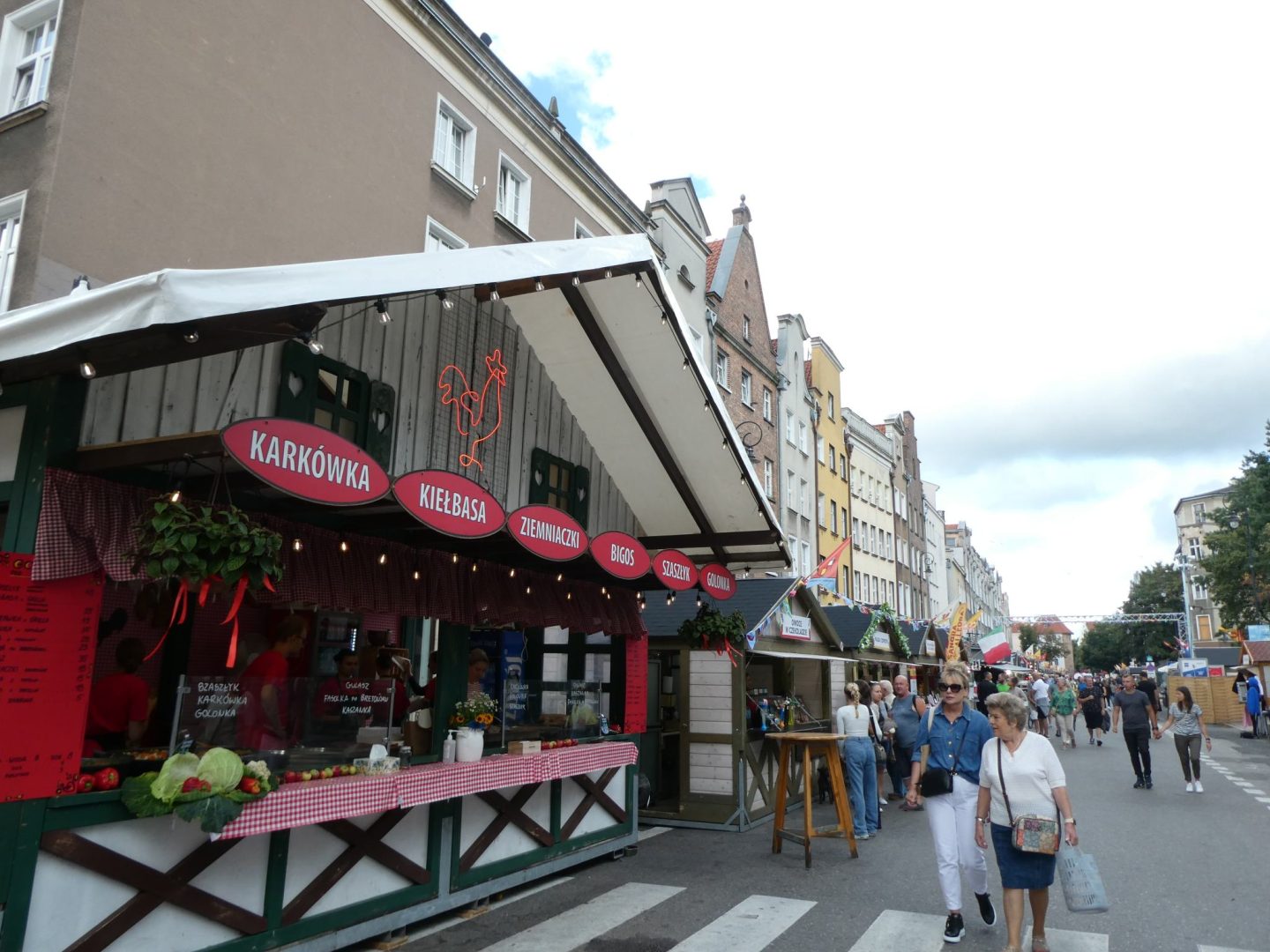

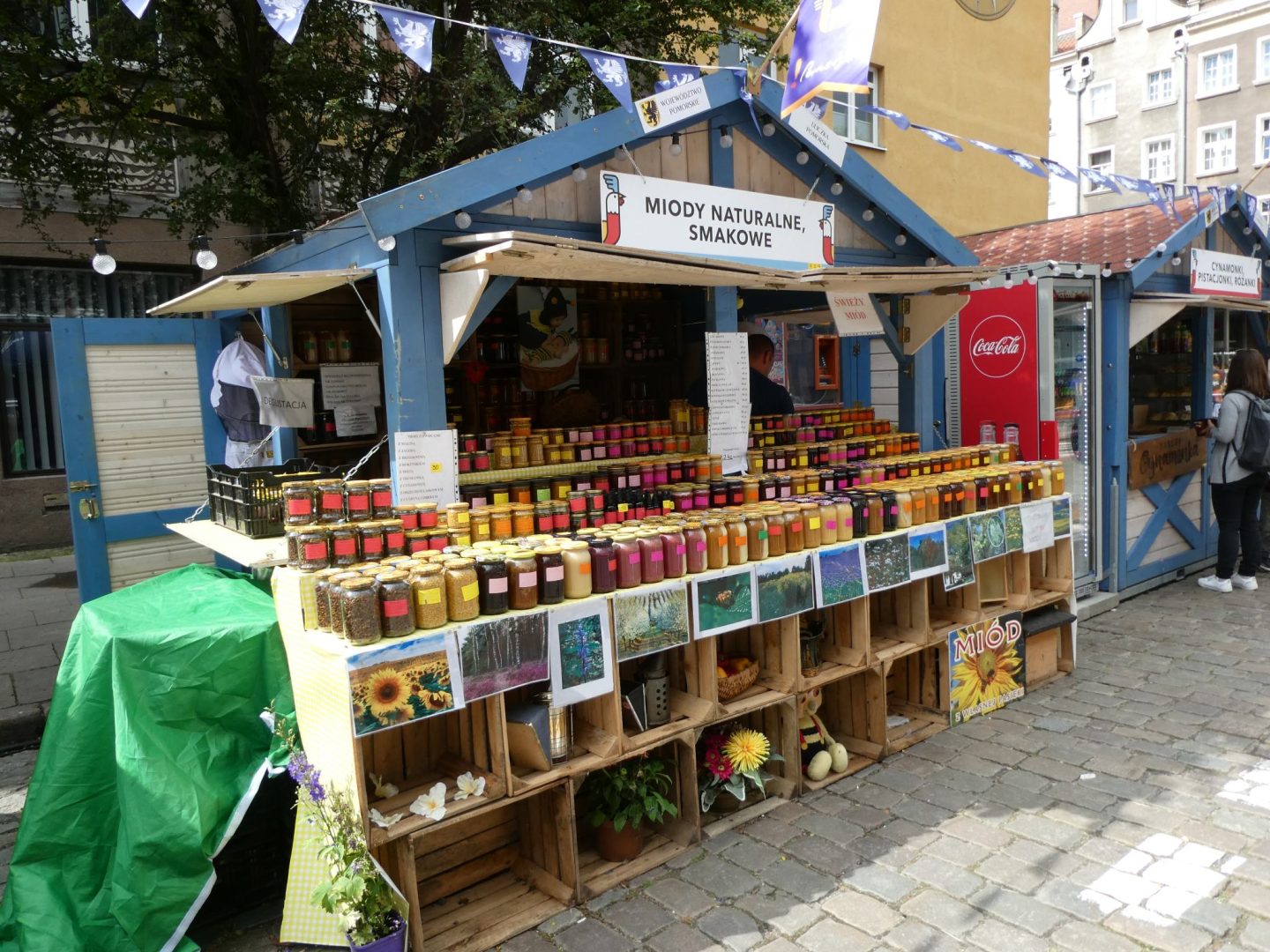
Although the bare chested man fondling his salamis was a bit concerning.

Together with Oktoberfest and the German Christmas Markets, it’s considered one of the biggest annual cultural open-air events in Europe. Over its three week run, it’s estimated around 70,000 people wander through some part of it on any given day. That’s really surprising. Mostly we took those photos early morning but even through the day it didn’t feel crowded.
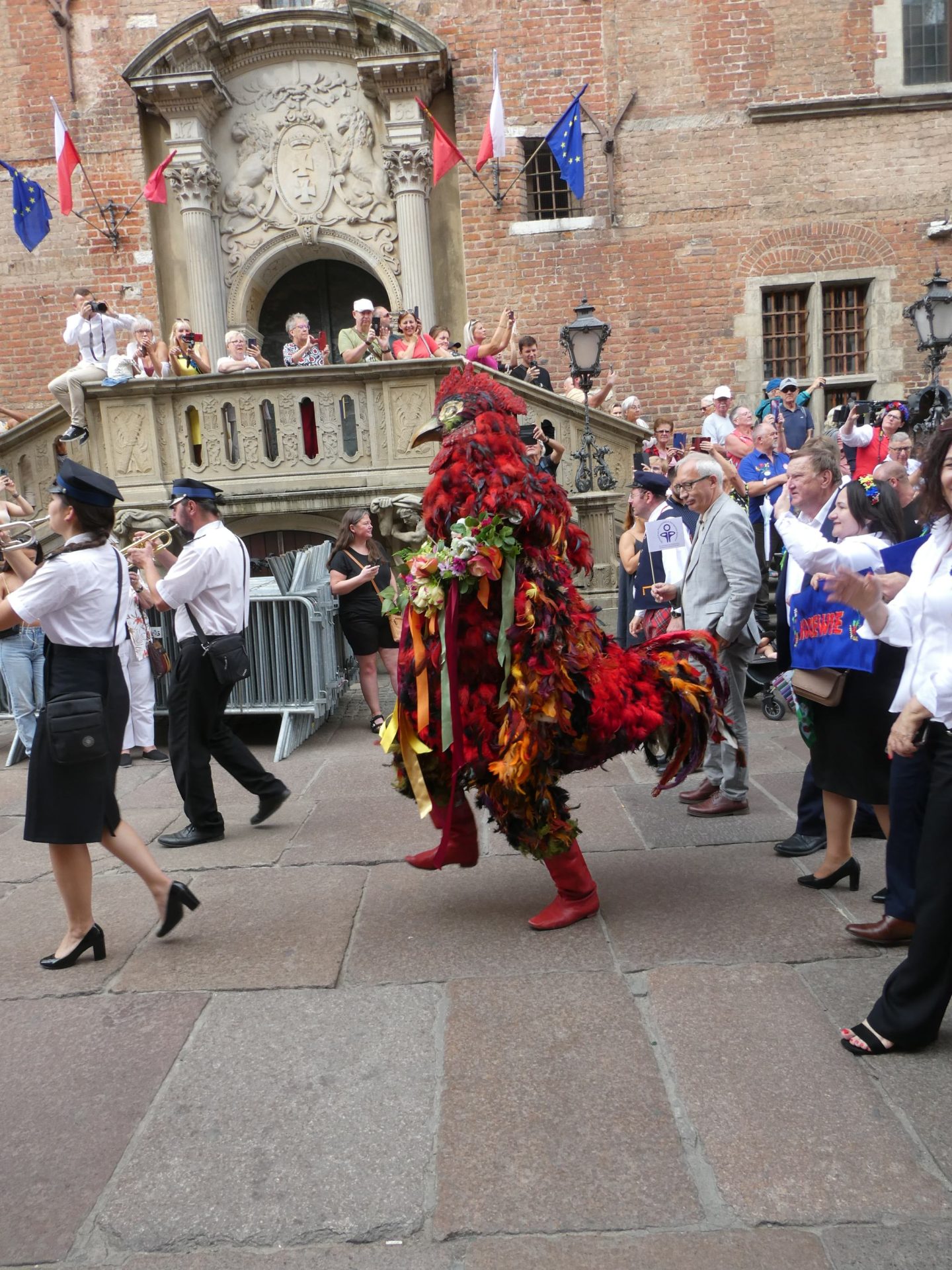
Summer also means parades.


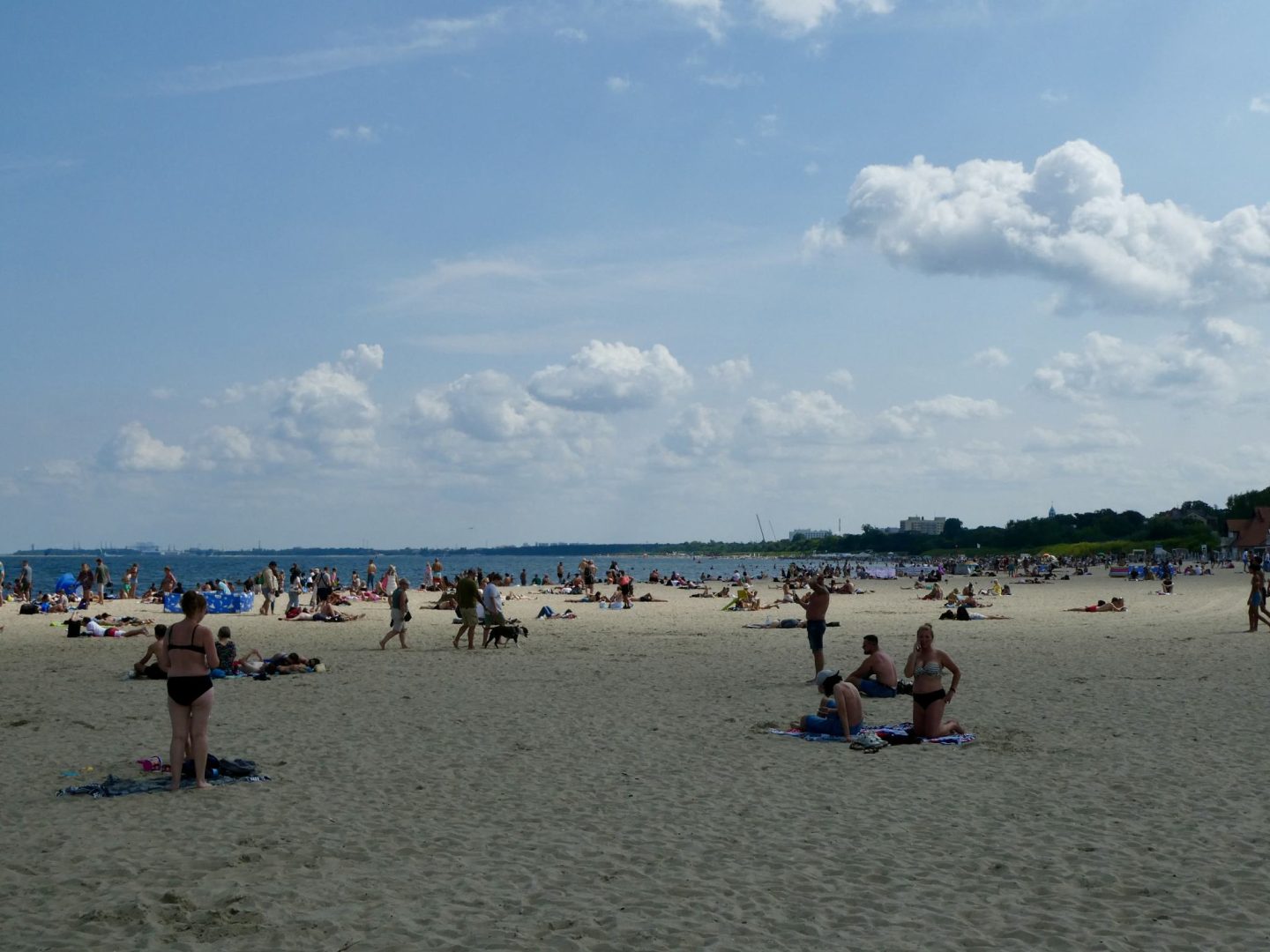
We caught a train out to nearby Sopot, whose sandy beach attracts Poles in droves through the summer.
It’s random what you find on expeditions to small towns like this. Today, it was a statue of Wojtek, a three month old brown bear found by a Polish regiment in Iran after they’d been evacuated from the Soviet Union during WWII. They took him on their long journey home through Iraq, Syria, Palestine and Egypt then on a boat to Italy where the regiment returned to duties. He was given his own military ID, fed double rations in lieu of wages, helped out with loading trucks and rose to the rank of corporal. After the Polish troops were demobilised, he found a home at Edinburgh Zoo where he lived until 1963.
A plaque reads “A great companion and extraordinary comrade in arms. Wojtek always brought the soldiers joy and kept their spirits high”.

At 511 metres, Sopot has the longest wooden pier in Europe. It was built in 1927 when Sopot was a spa town. Breathing the iodine rich vapours thought to be rising off the sea was considered good for the lungs. Strolling on the pier is still madly popular.
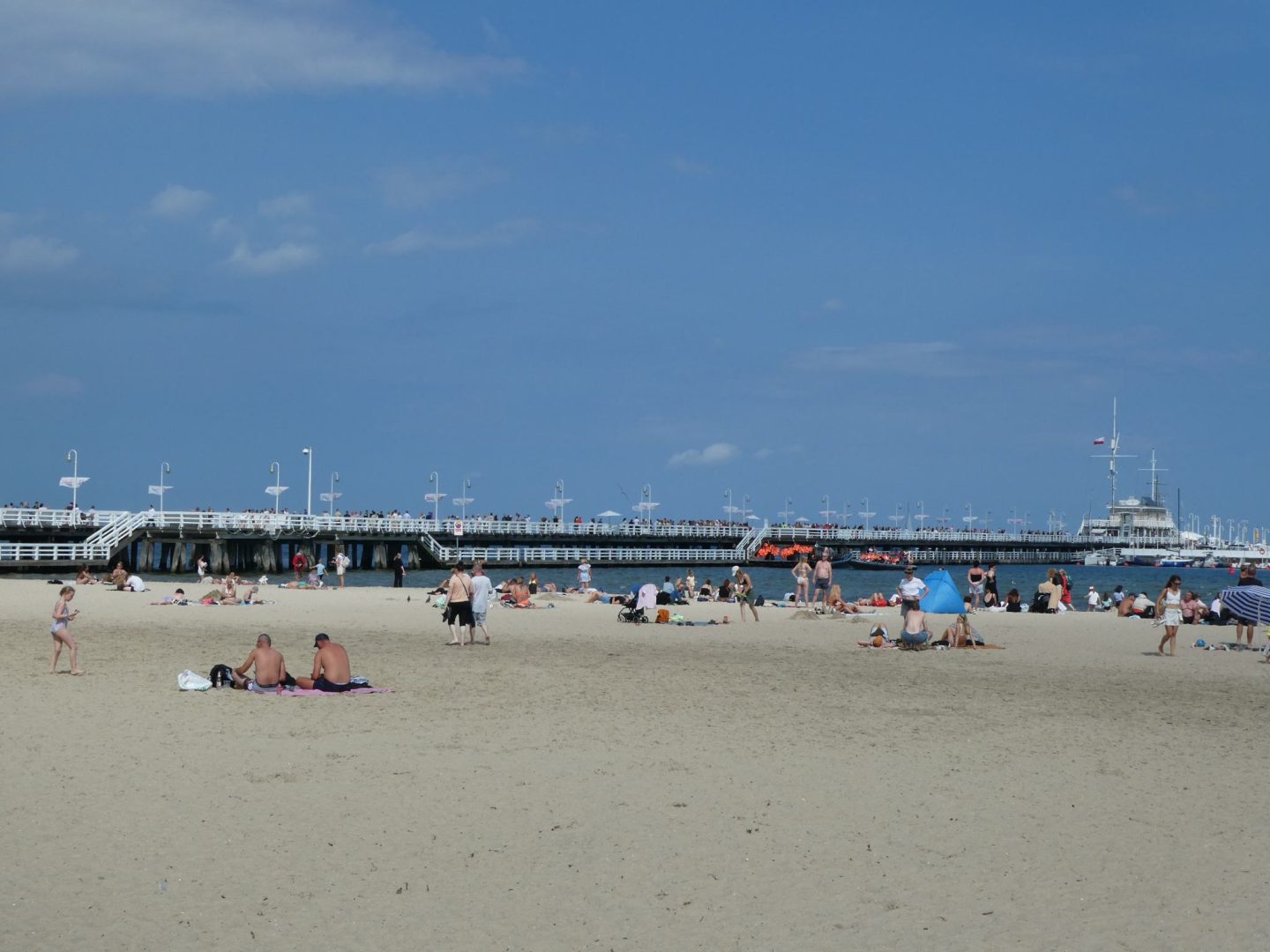
And there’s a string of small restaurants along the promenade which are good for a fish lunch.
Back in Gdansk, we went out to the iconic shipyard.
In the 1970s, underground labour unions began to form in response to low wages and cost of living pressures. In August 1980, Anna Wolentynowicz was fired for involvement in a union. She’d worked at the shipyard for 30 years and was five months from retirement. Her sacking meant she’d lose all her pension.
Outraged workers went on strike demanding her reinstatement. The protest broadened to a list of 21 demands, including the right to form trade unions independent of the Communist Party, the right to strike, and the right to freedom of speech, the press and publication.
A chain reaction of strikes across the country and massive public support led to the coining of the name Solidarnosc. In English, Solidarity.
Right time, right place, right leaders and clever PR combined to create a situation where the government had to negotiate. After exhaustive round table talks, it agreed to all 21 demands and Solidarity became the first independent trade union registered in a Communist country.
By mid 1981 Solidarity had 10 million members, one third of the country’s working age population. The government became nervous. Martial law was declared, Solidarity leaders and organisers were jailed, and freedom of speech and of the press was once again curtailed. Miserable years followed but eventually Solidarity’s strength prevailed. In 1989, with the Soviet Union collapsing and animosity toward the government high, the President agreed to partially free elections, the first since WWII. The country had finally embarked on the road to full democracy.
Protest movements modelled on Solidarity contributed to the collapse of Communist regimes throughout Eastern Europe. Some historians credit it as the beginning of the end of the Soviet Union.
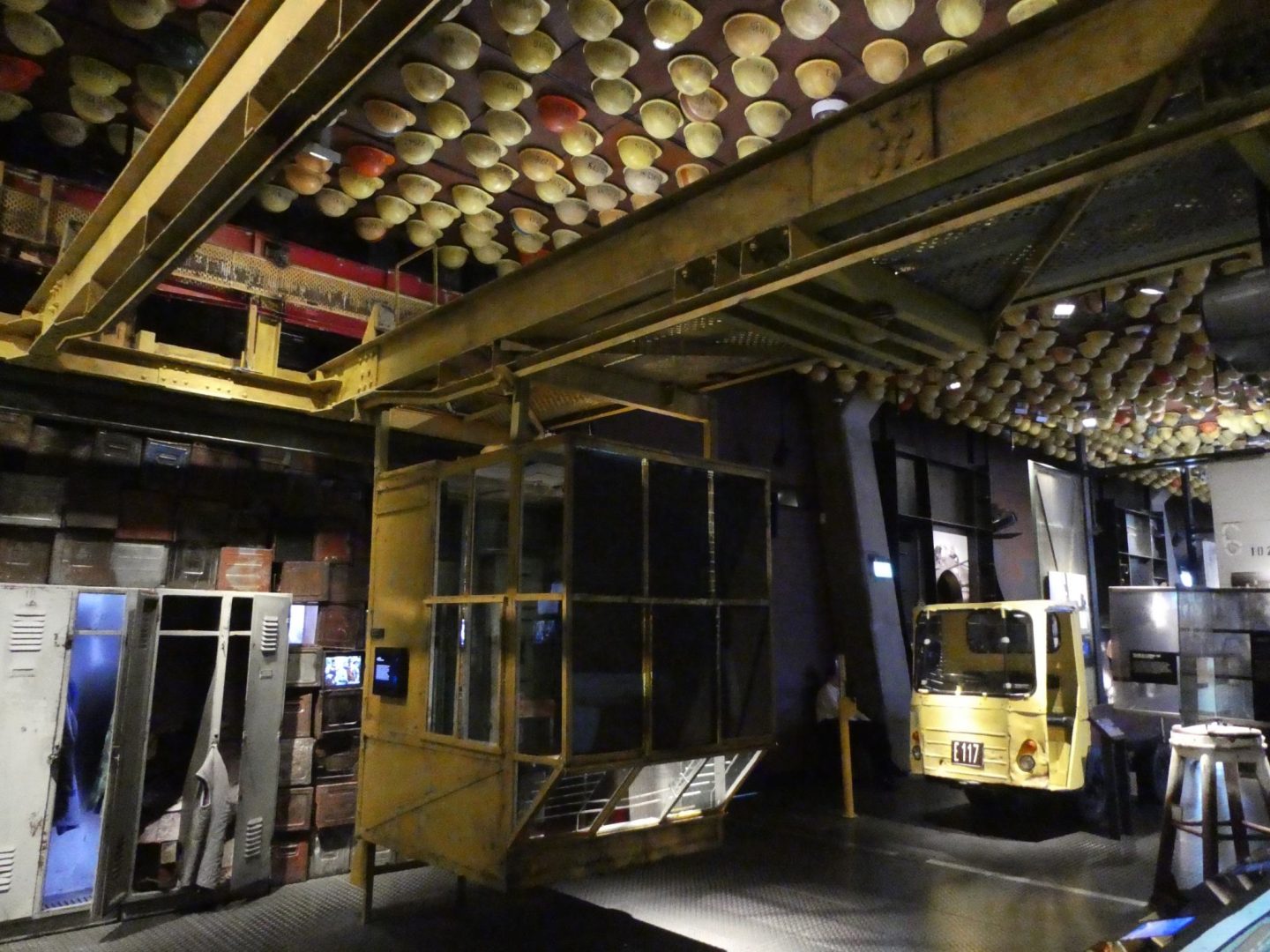
The European Solidarity Centre museum covers it all in detail in a huge new state of the art building in the midst of the old shipyard.

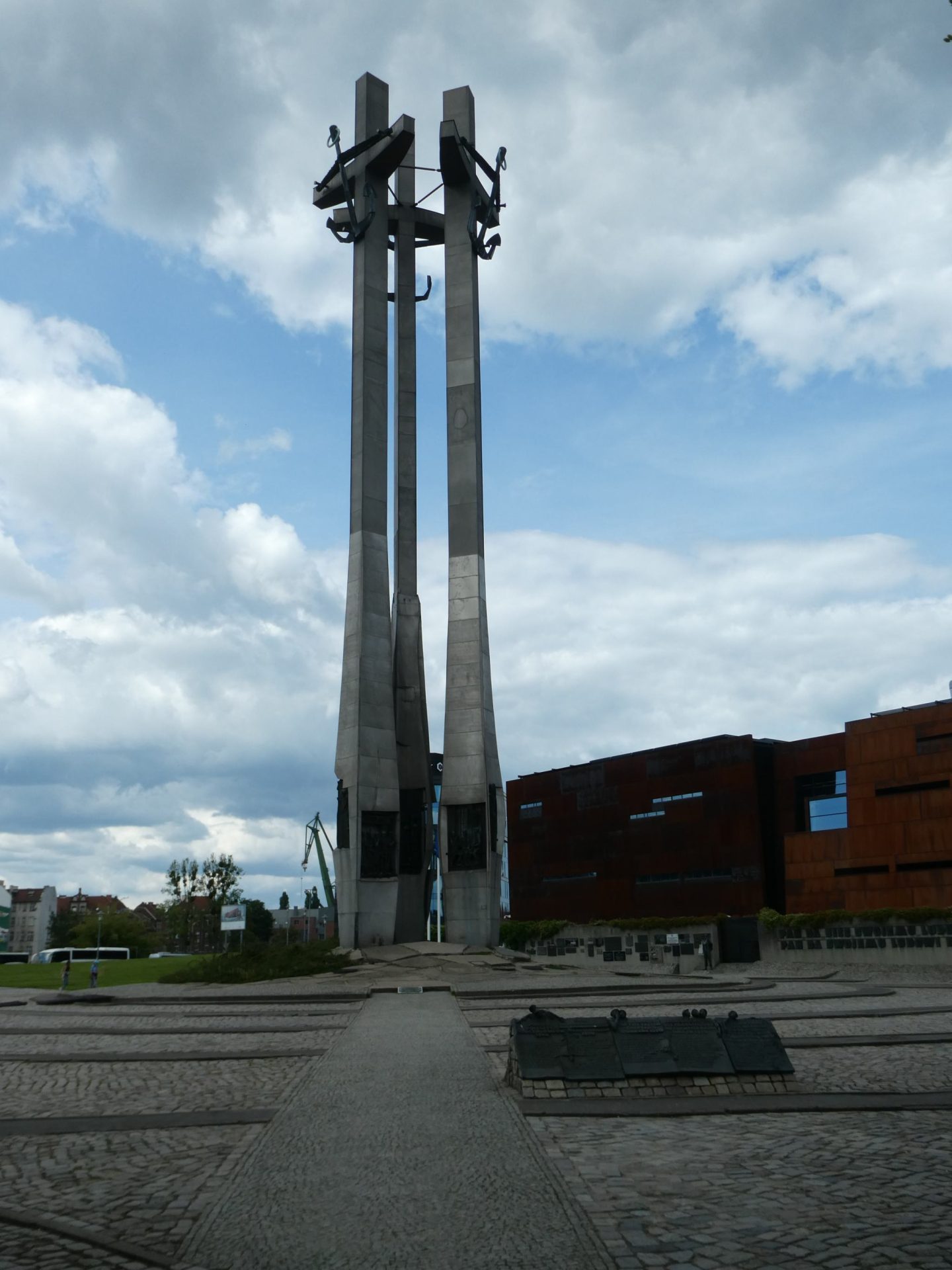
Outside is the Memorial to the Fallen Shipyard Workers. It honours 42 workers who died in 1970 during earlier protests against the Communist regime.

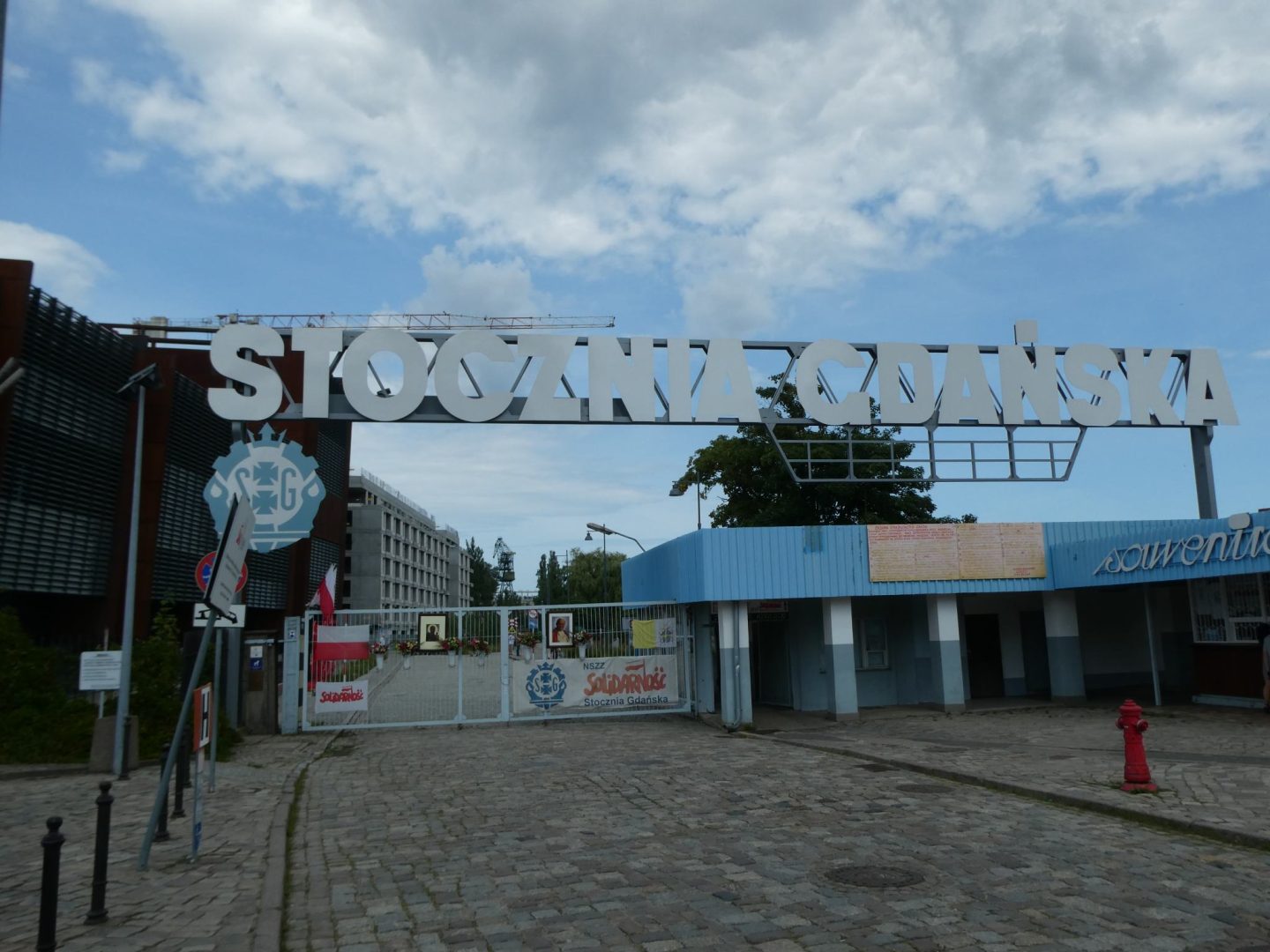
And the famous Gate 2 which featured in so much news footage during the Solidarity strikes. Here supporters gathered, the priest from St Bridget’s delivered mass and holy communion to the strikers, and it’s here Lech Walesa announced to cheering thousands that the government had accepted the strikers 21 demands.
The original board on which the strikers wrote those demands is inscribed in UNESCO’s Memory of the World register. On the day martial law was declared in 1981, a worker hid it in his loft where it stayed, forgotten, until 1996. It is on display inside the museum.

From the roof you can see how big the shipyard once was.


Massive cranes sit dormant in a crumbling industrial wasteland. You can wander around the area, where a series of signboards describe the function of various sites in the once great Lenin Shipyard, as it was known in Communist times.


But urban renewal is proceeding apace. Some areas have been revitalised with trendy apartment complexes. Some abandoned buildings have been turned into bars, studios and art spaces.

An installation of robots made from abandoned industrial metal objects is on the edge of the water.


What better way to finish than a sunset sail around the old shipyard on a replica galar. These 12-seater open topped boats were used by traders in the 18th century to ferry goods up the river to storehouses.
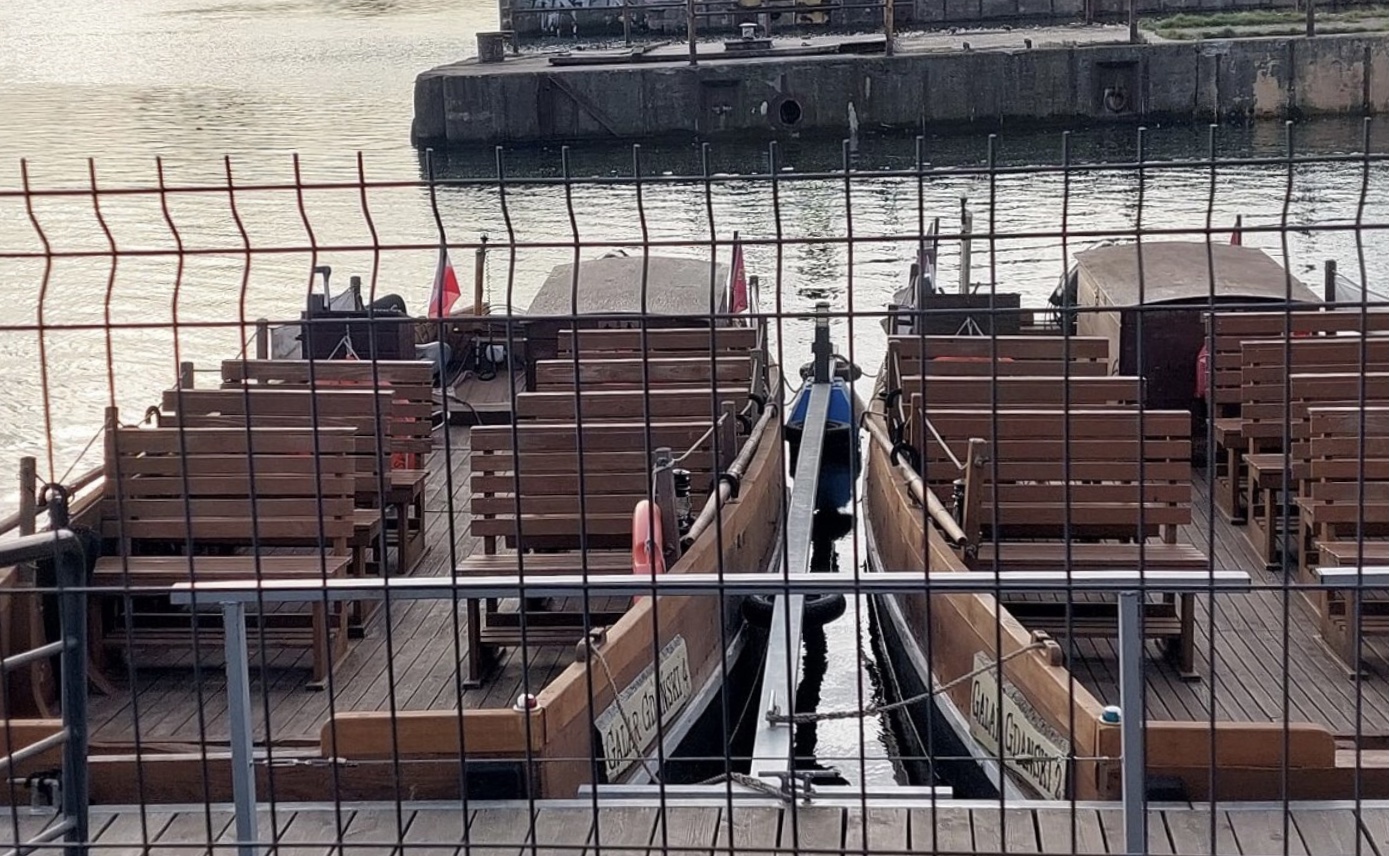
Nowadays you can sit back, watch the big boats coming up the river and, if the weather fairy is feeling kind, watch a spectacular sunset behind the now dormant shipyard cranes.
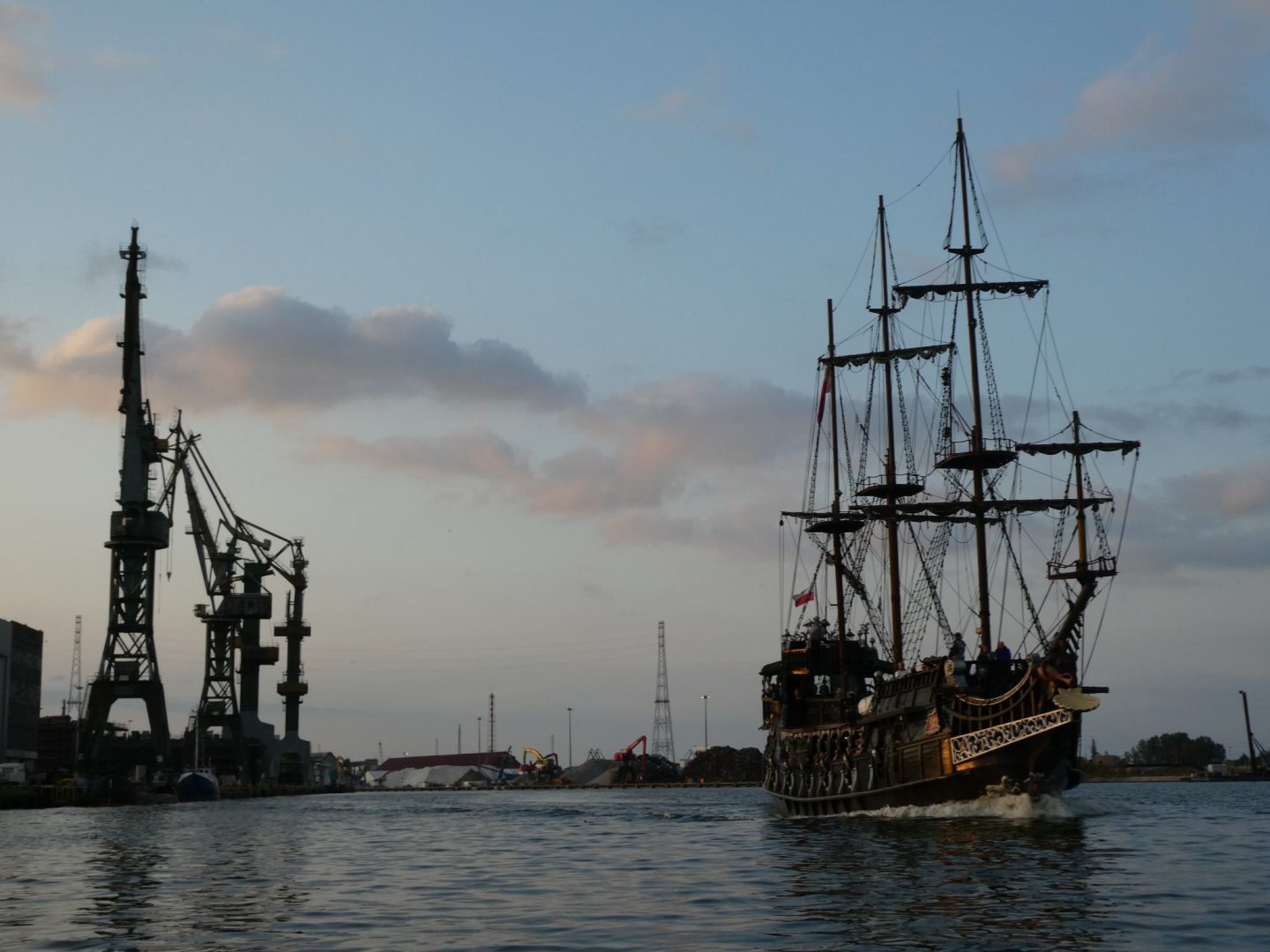

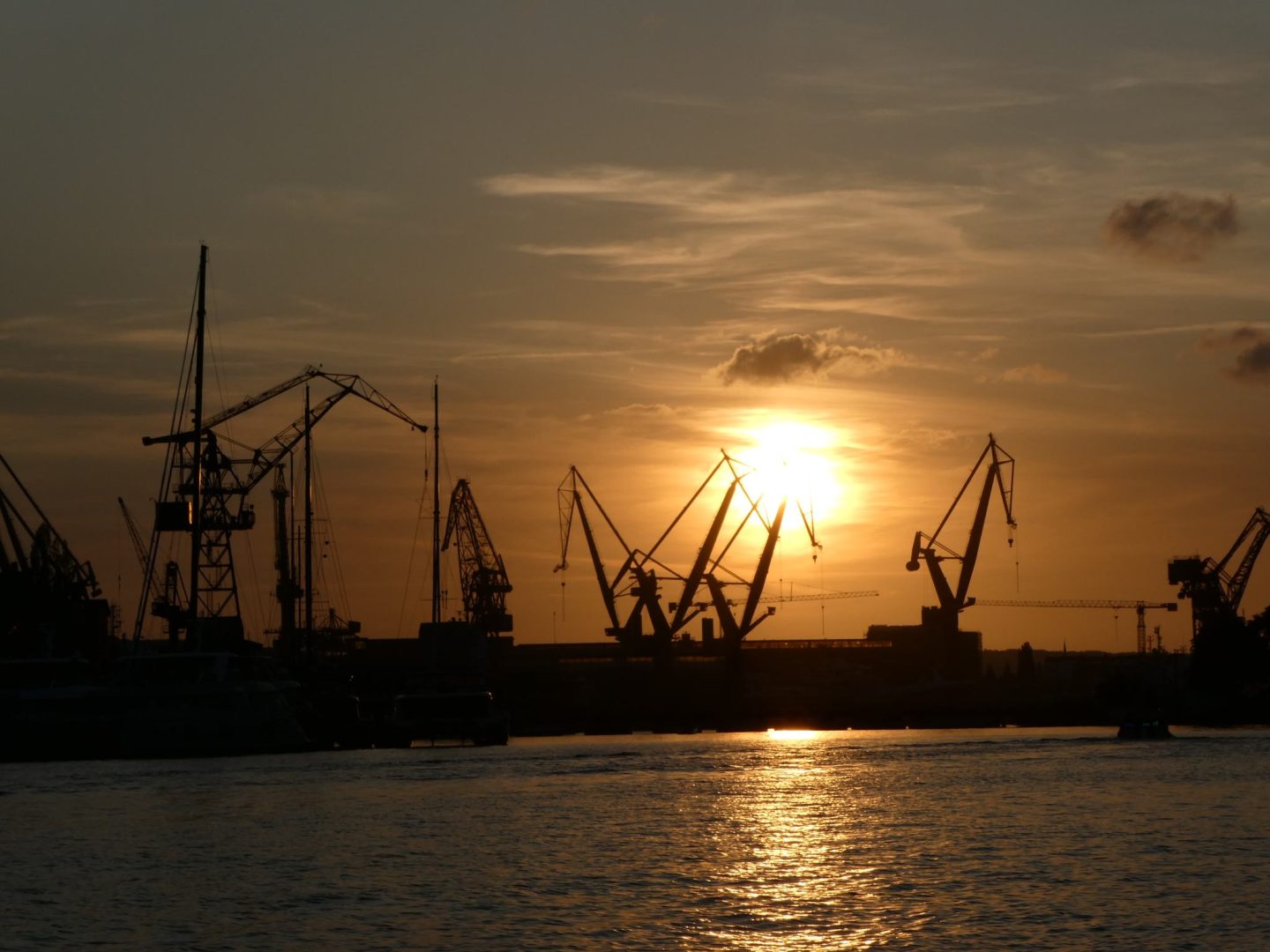
And then go for a chug up to see the beautiful Old Town at night.

Gdansk was a total surprise to us. A beautiful city, relaxed atmosphere, loads to see. Our favourite Polish city so far. It’s no surprise it’s been judged fourth most liveable city in Europe.

So many things to love in this post. The memorial at the Postal Service and those commemorating the atrocities, the elaborate but beautiful architecture, the amber altar and the poignant story of the bear.
Interesting history of the Solidarity movement too 😊
Loved this report and I had no idea what an amazing city Gdansk is. Makes me so want to explore Poland. Hope you are not going well. Cheers, Alison
Hope you are going well I meant!!!!!!