Warsaw was bombed to smithereens in WWII so it’s just a drab concrete post-Soviet city, right? Wrong!
It is true that by the end of the war, almost all of the Old Town and the Royal Castle had been destroyed. After five years of occupation, Warsaw’s Home Army mounted an uprising – more on that later. The insurgents ultimately surrendered on an agreement by the Germans that the city be spared. In an act of utter bastardry, Hitler reneged, ordering the city be razed to the ground by special German troops whose name aptly translates as Burning and Destruction Detachments. 85% of the city was destroyed.
But after the war, the Old Town and the Castle were reconstructed using pre-war architecture students’ drawings and historical paintings. As many of the original bricks as possible were re-used and decorative pieces such as friezes were salvaged and re-applied.
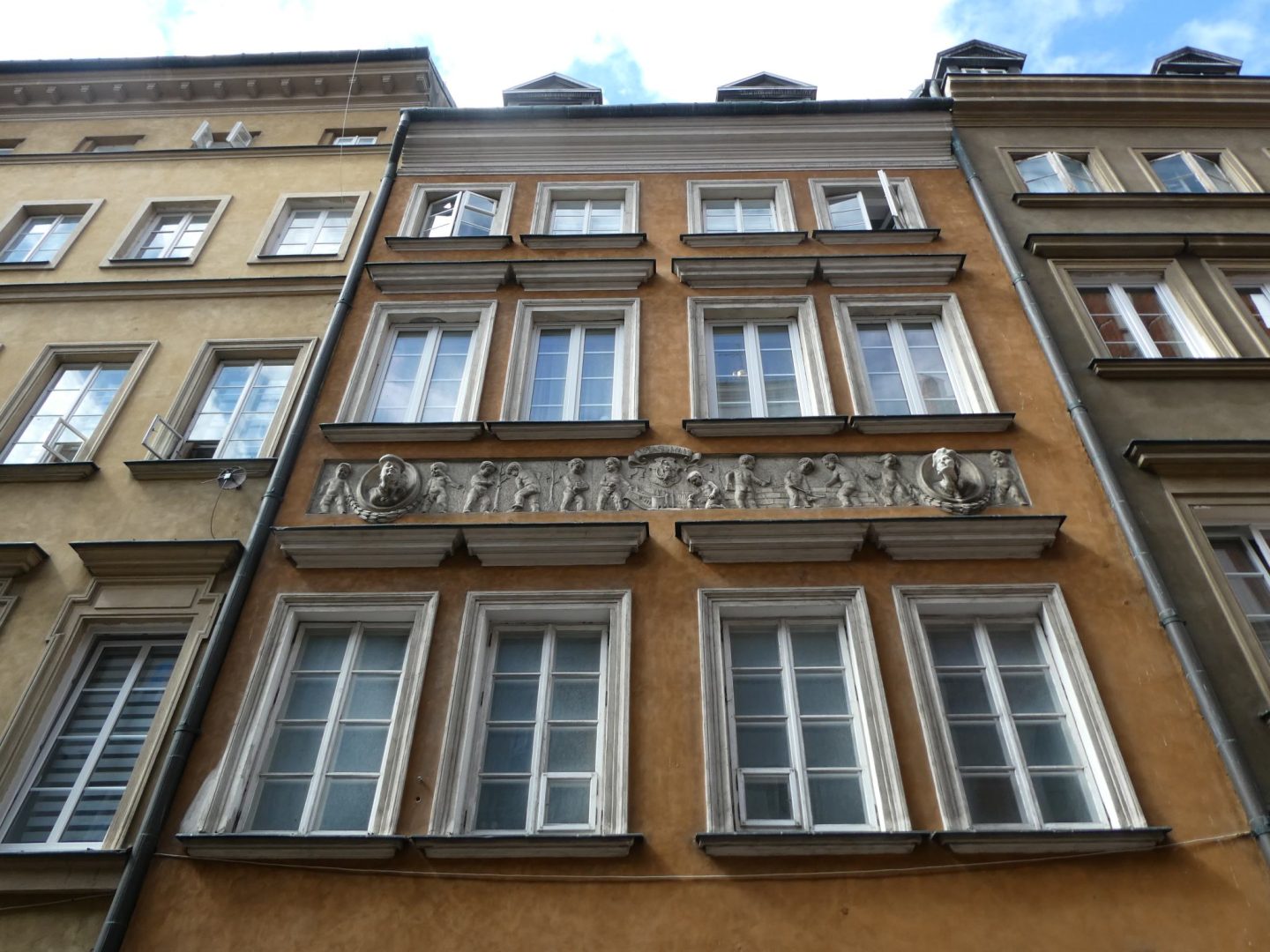
It was the world’s first attempt to resurrect an entire historic city core. The outcome is so accurate that the Old Town was placed on UNESCO’s World Heritage list in 1980 as “an outstanding example of a near-total reconstruction of a span of history covering the 13th to the 20th century”.
Here’s the view of it from the window of our apartment.
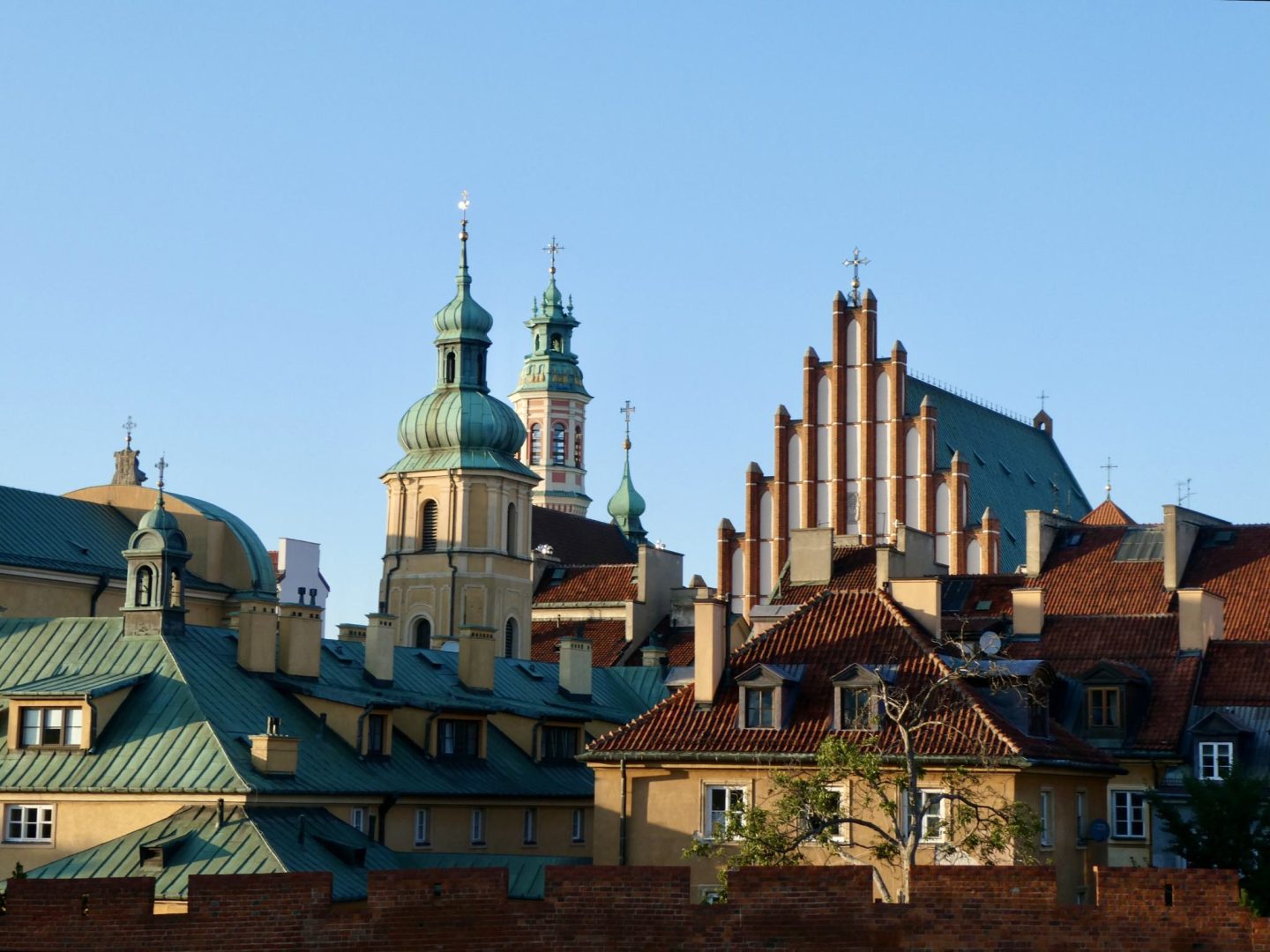
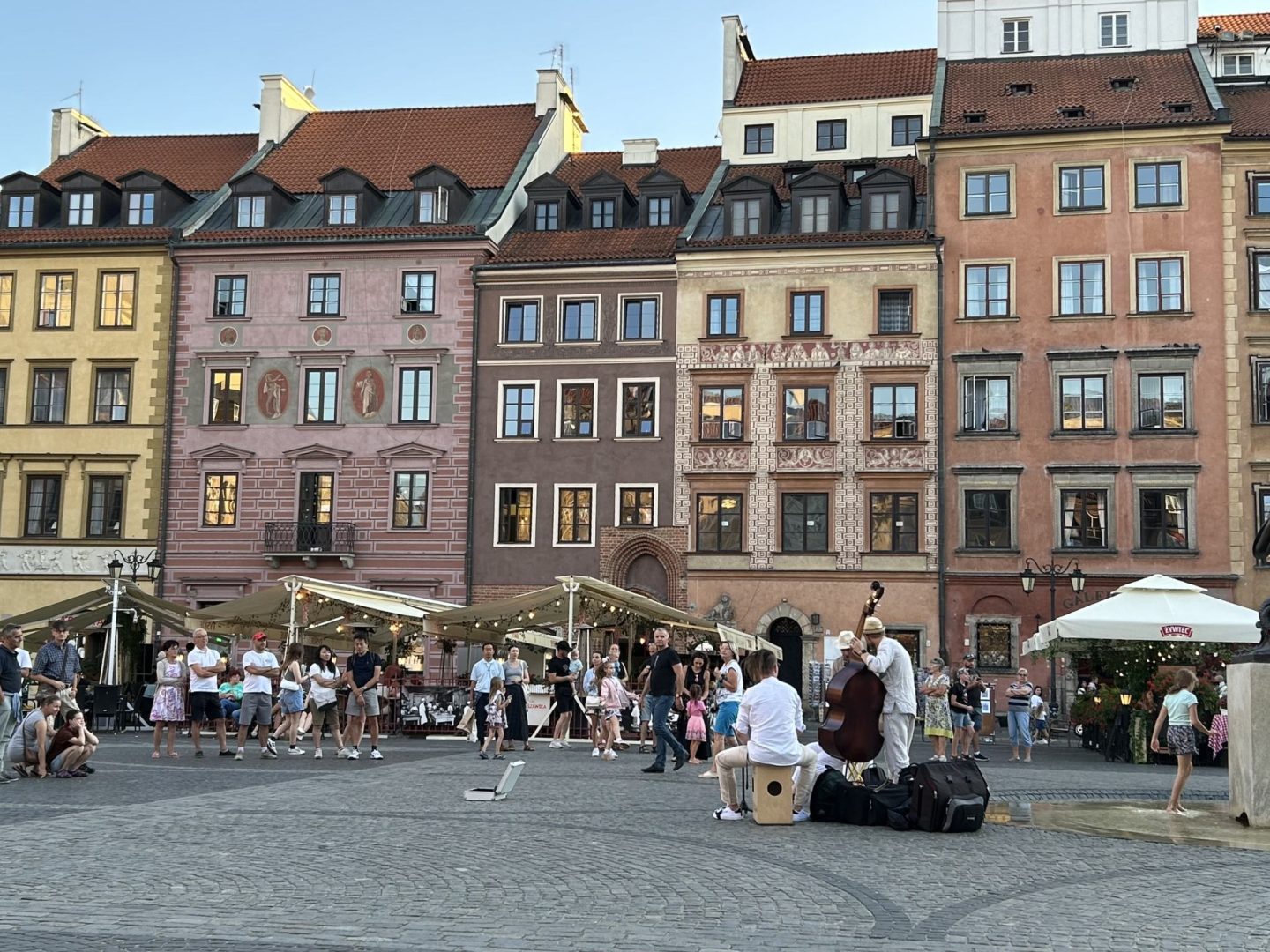
At its heart is the Old Town Market Square.
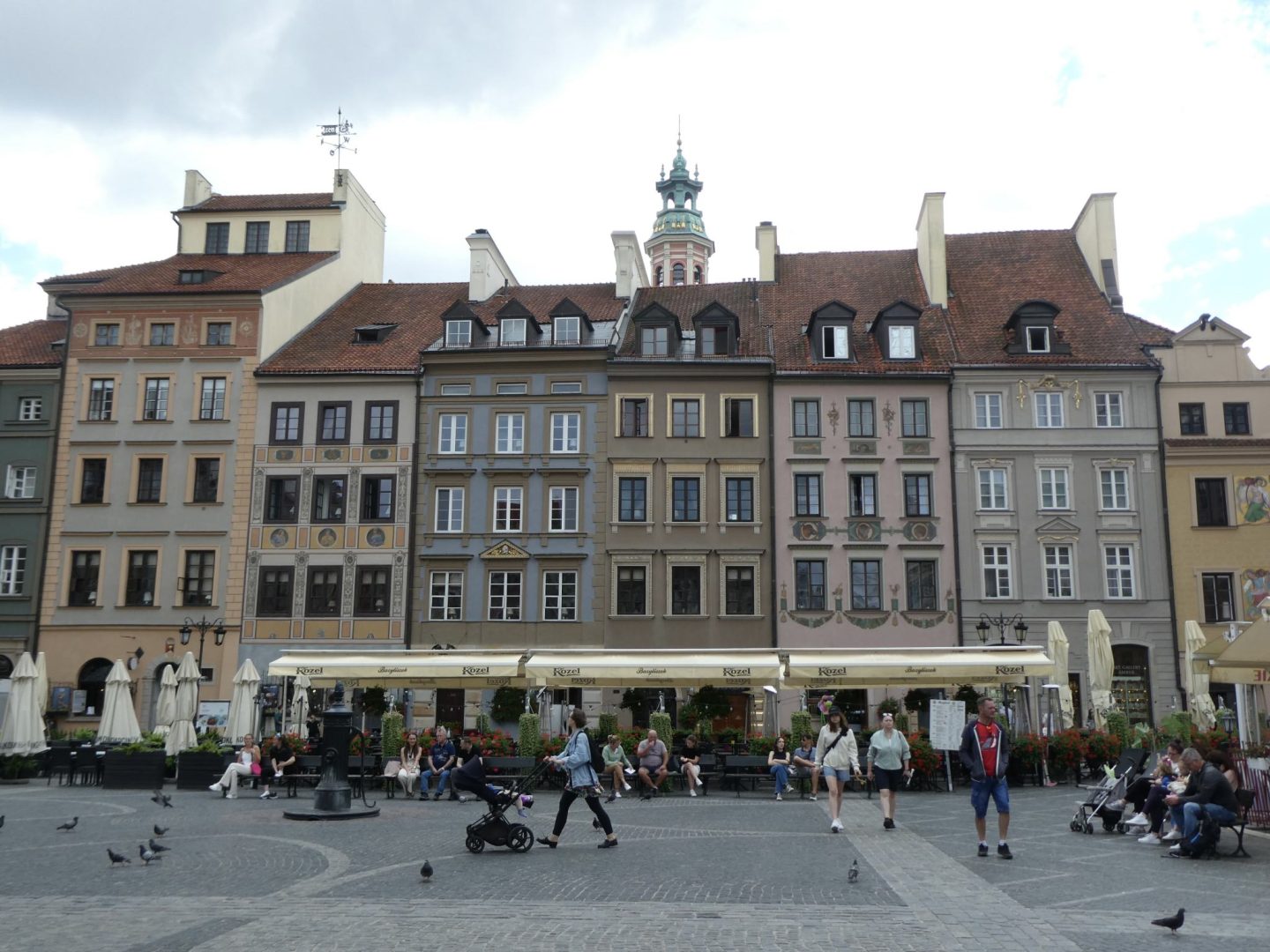
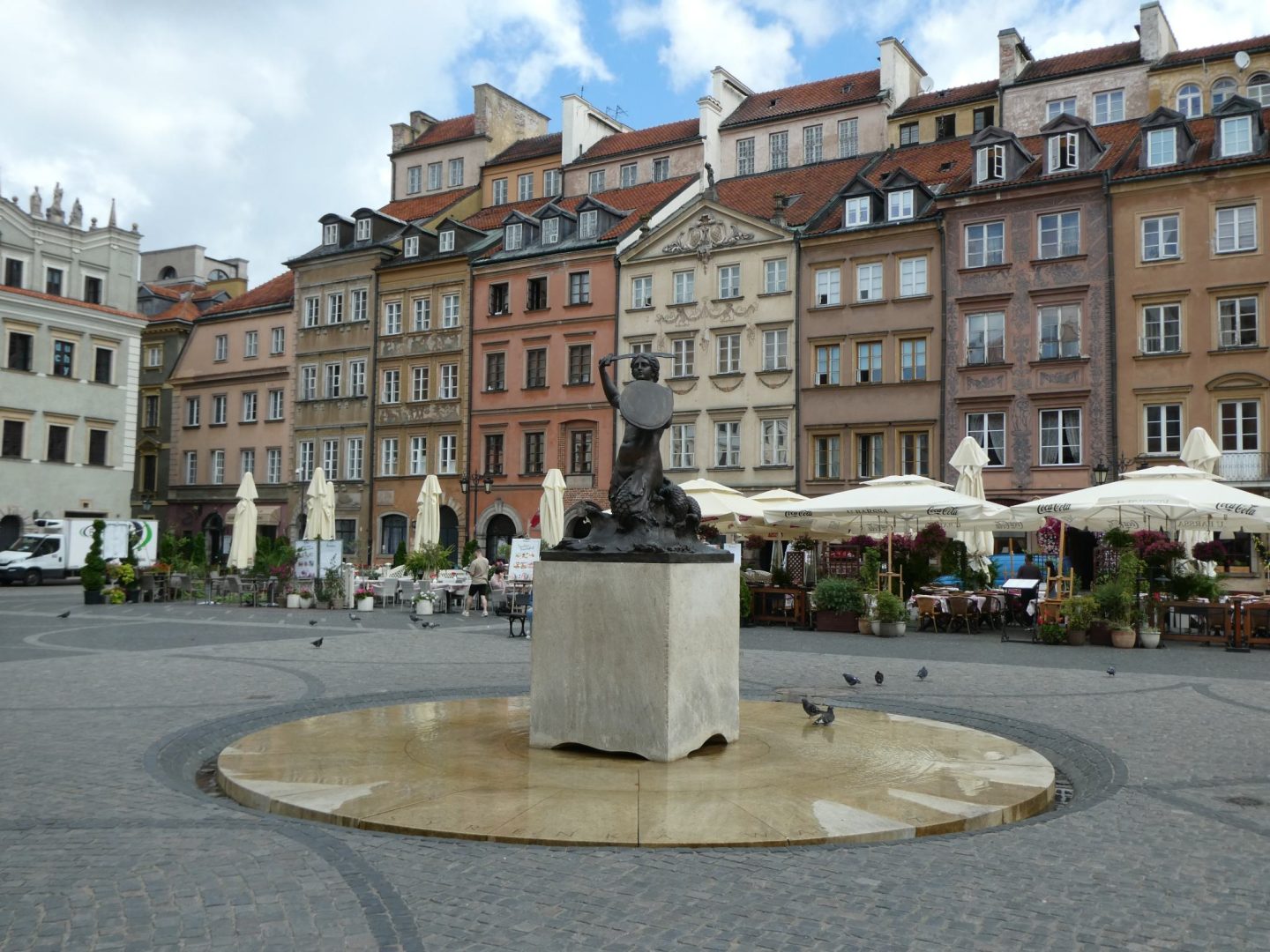 It buzzes with life from mid-morning until late at night, with cafes and restaurants, an outdoor art market, kids playing in the fountain and buskers belting out traditional Polish songs.
Tucked down a lane is the Wishing Bell with its tale of star-crossed lovers. Kajetan, a young bell maker and Marynia, the daughter of another bell maker fell in love. Her father’s apprentice, Hans wanted to marry Marynia and take over her father’s business. He poisoned Kajetan and added tin to the bronze mixture Marynia’s father was using for an important commission. When the bell was rung for the first time, it broke because of Hans’ sabotage and at the very same moment, Kajetan died from the poison. To avoid suspicion, Hans declared his love for another woman and left town, thinking he would return later and claim both Marynia and her father’s business.
But the father’s business did not fail and heartbroken Marynia spurned Hans and joined the convent. Hans went insane and committed suicide. The bell was repaired and placed in the courtyard to honour the doomed couple, but has never been rung again.
Despite the lack of a happy ending, the bell has become a talisman for newly married couples and students who touch the bell and circle it three times for luck.

The Royal Castle was the residence of the Polish kings from 1596 when King Sigismund III moved the court from Krakow, until 1795 when Poland was carved up into other empires. In the period between the World Wars it served as the House of the Polish President. It’s now a museum.
That’s it to the right with the clock tower, and on the left is a commemorative column honouring Sigismund erected in 1644, destroyed by the Germans in 1944, repaired and re-erected in 1949.
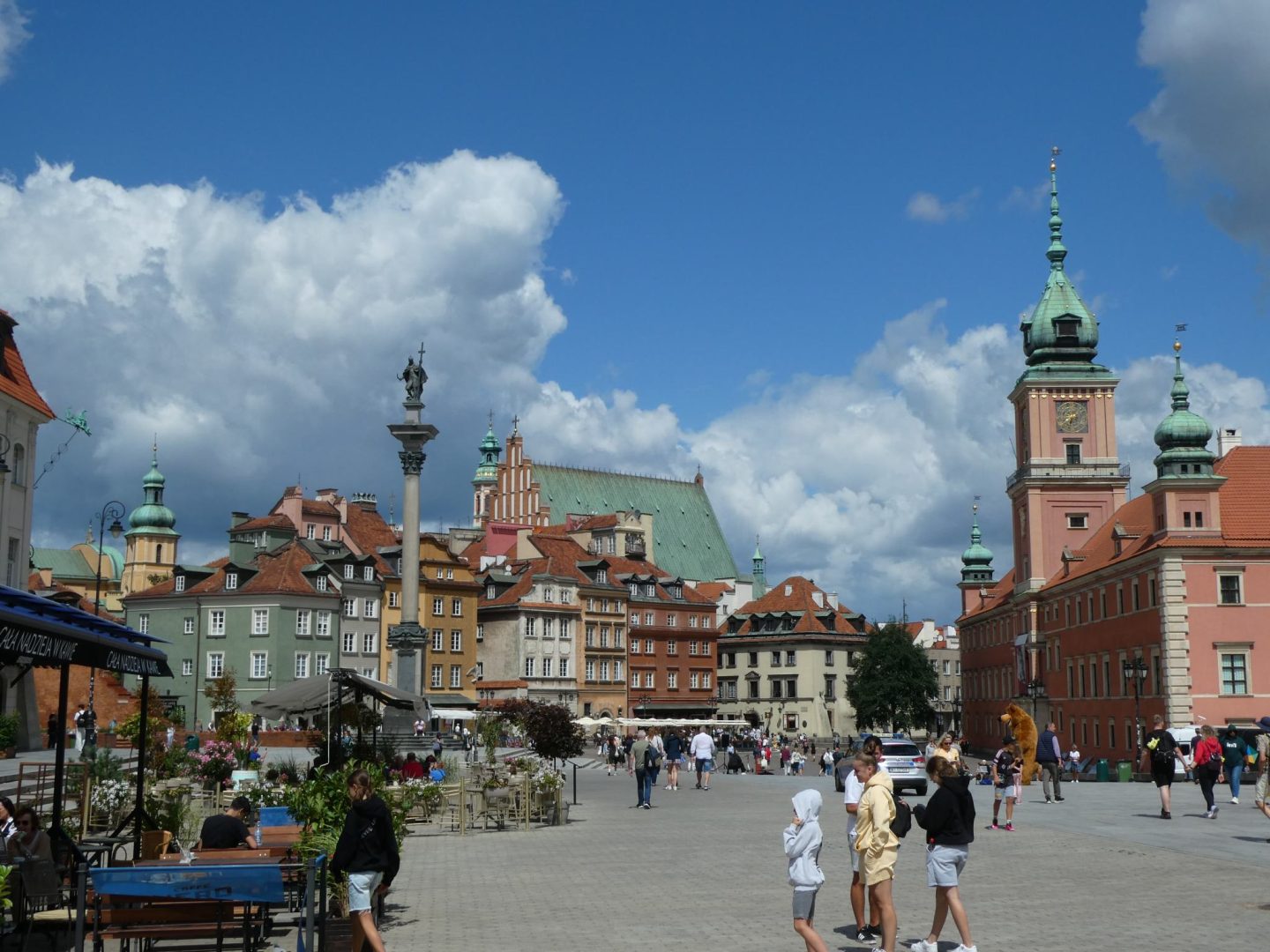 Leading away from the Castle is a 1.5km avenue known as the Royal Route lined with buildings of historical beauty.
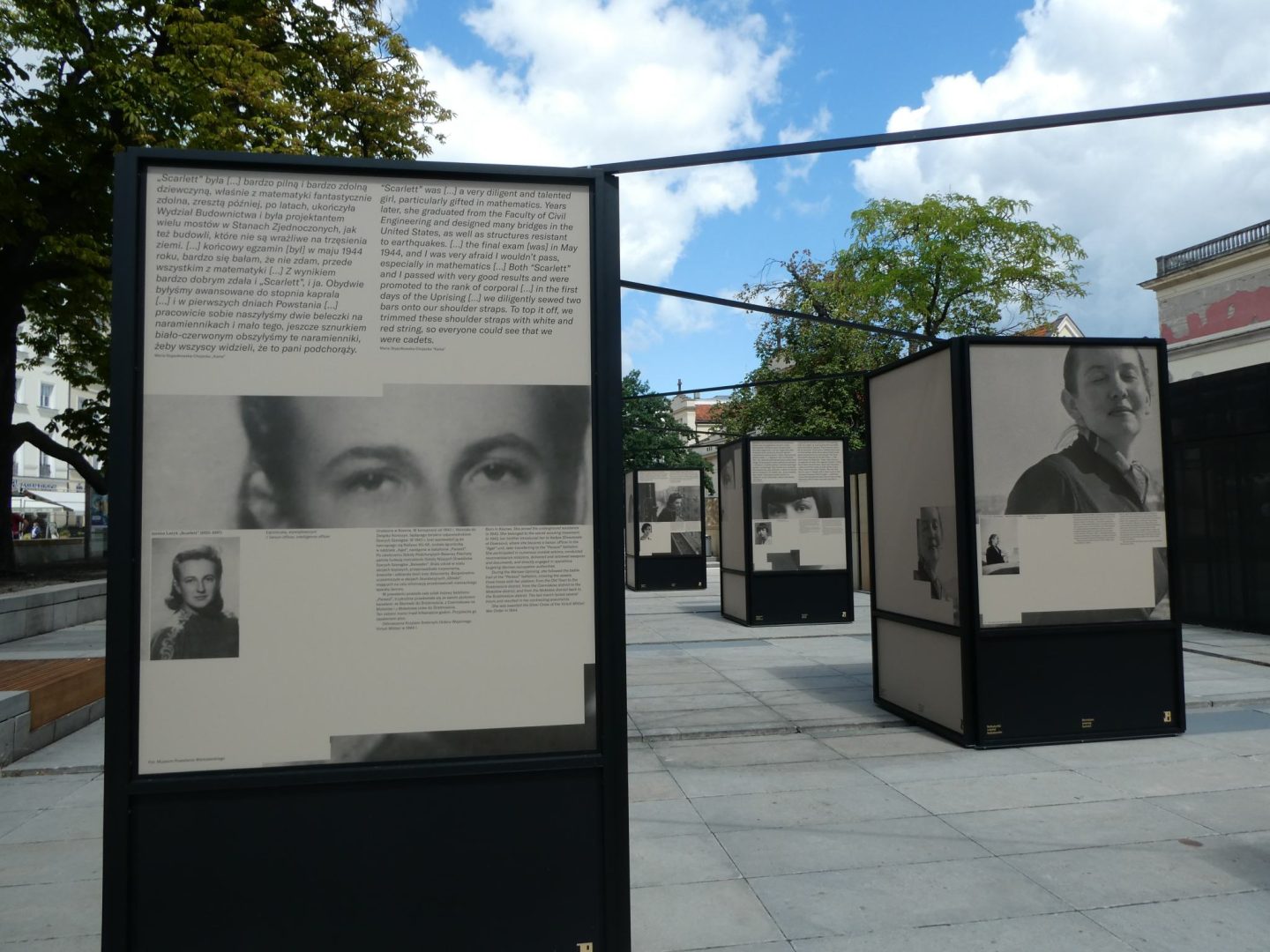
Outside the army museum we saw an interesting exhibition on some of the women who participated in the resistance during the German occupation.
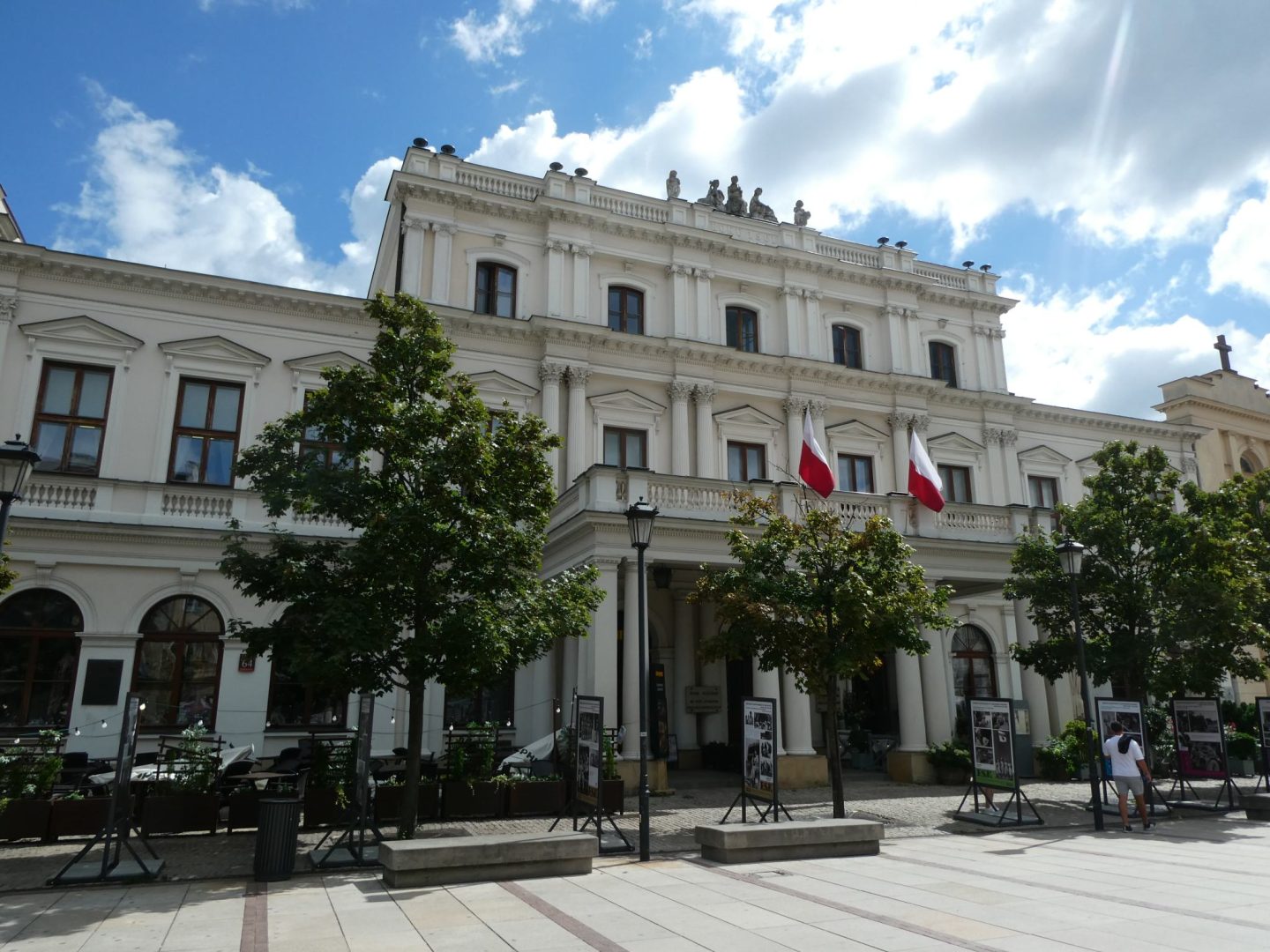
 Tyszkyiewicza Palace and a number of other smaller palace buildings are now part of the University of Warsaw.
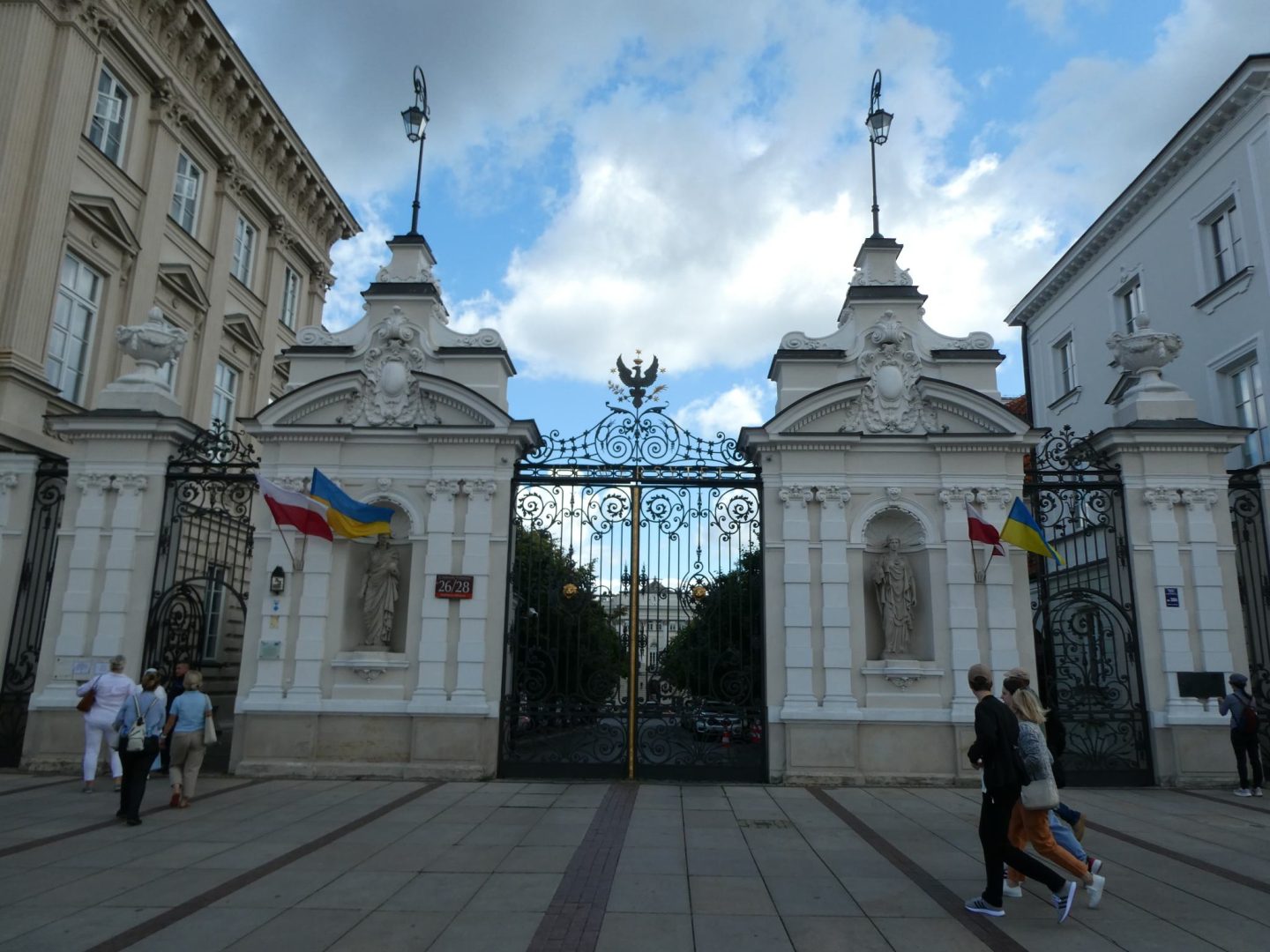 And there’s some sumptuous hotels from a bygone era. This one is the Bristol Hotel which opened in 1901. At the end of the war, it miraculously stood almost undamaged when all around it lay in rubble. It was nationalised during the Communist years but these days it’s a luxury hotel again.
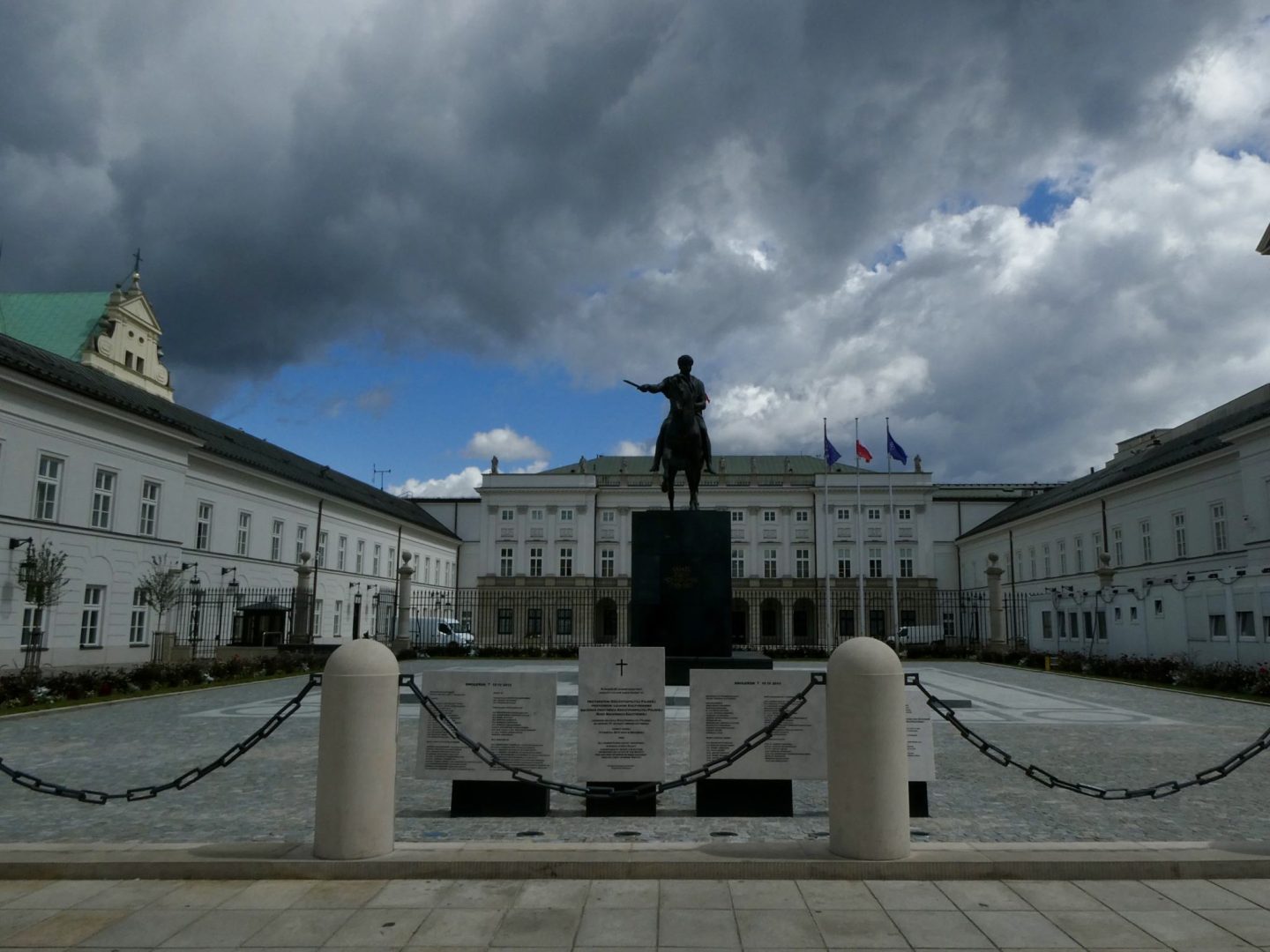
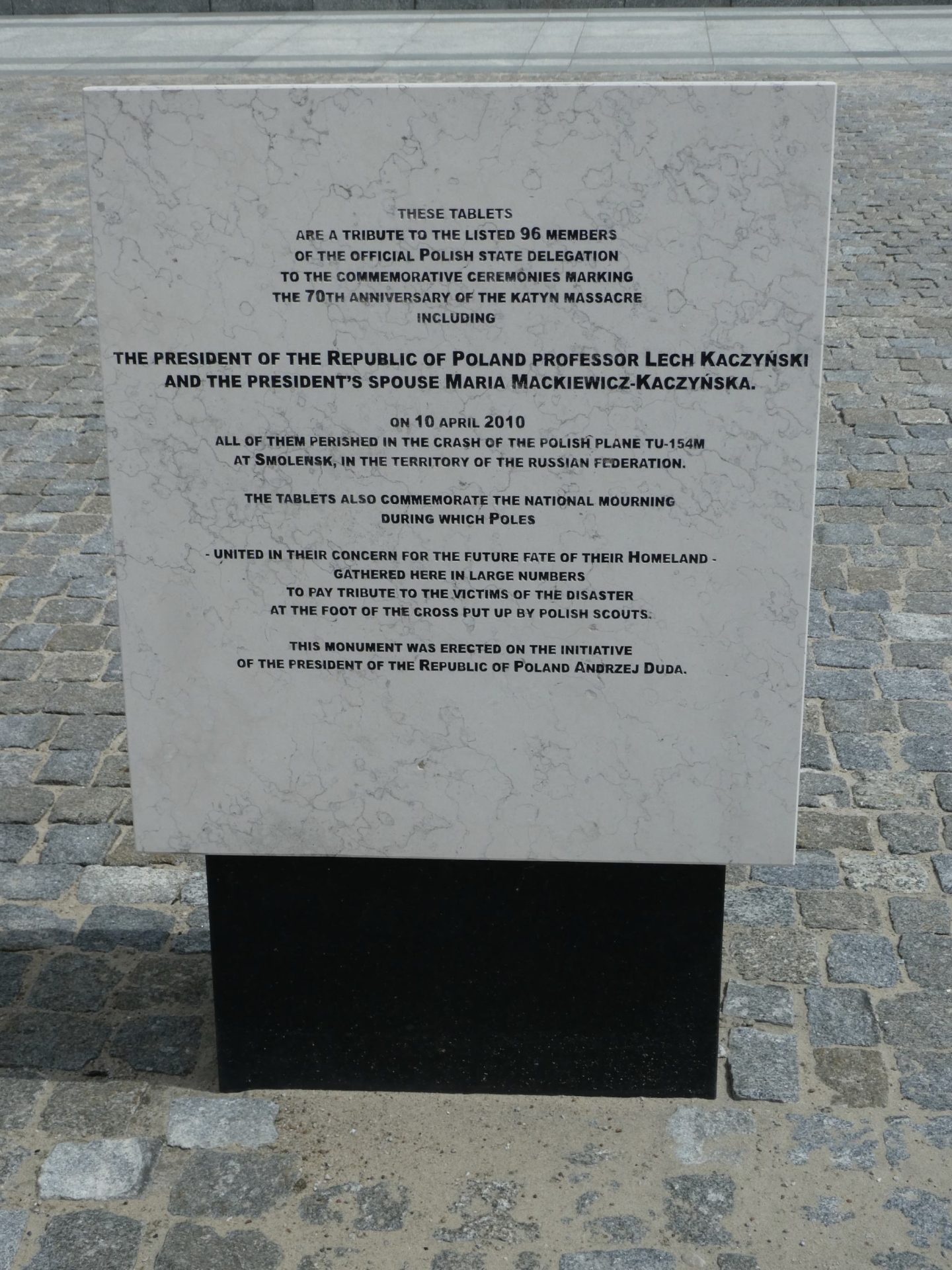
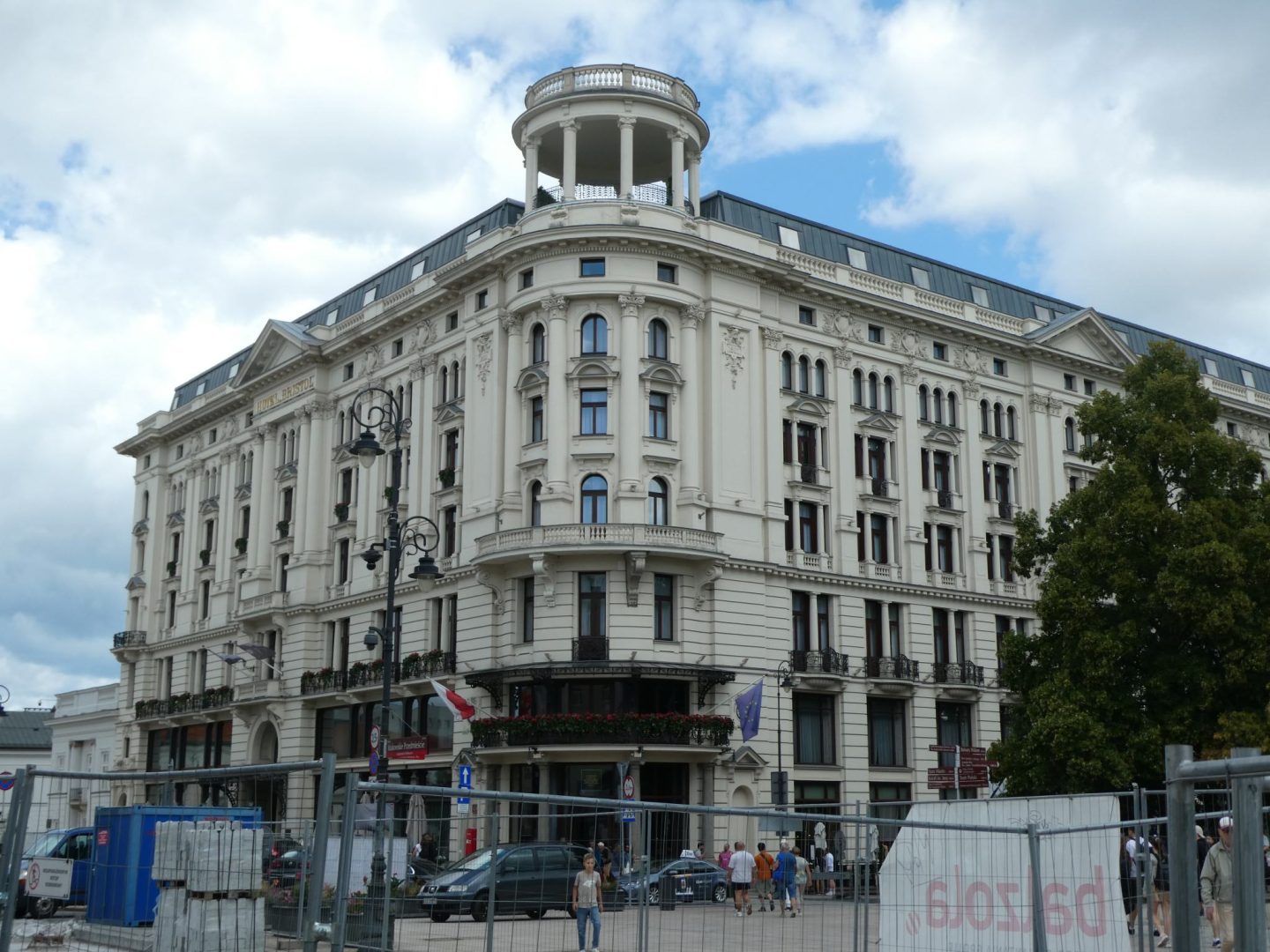 In front of the Presidential Palace is a memorial to President Lech Kaczynski. On 10 April 2010, President Kaczynski and 95 others including his wife were killed in a plane crash on approach to Smolensk airport in Russia. He was on his way to an event marking the 70th anniversary of the Katyn massacre in which 22,000 Polish officers and police were killed by Soviet soldiers during WWII.
The crash sparked wild conspiracy theories at a time of tensions between Poland and Russia including that it had been engineered by the Kremlin.
Poles gathered in their thousands outside the Presidential Palace, and the palace and memorial are still closely watched by guards just outside the frame of this shot.
There’s lots of churches.
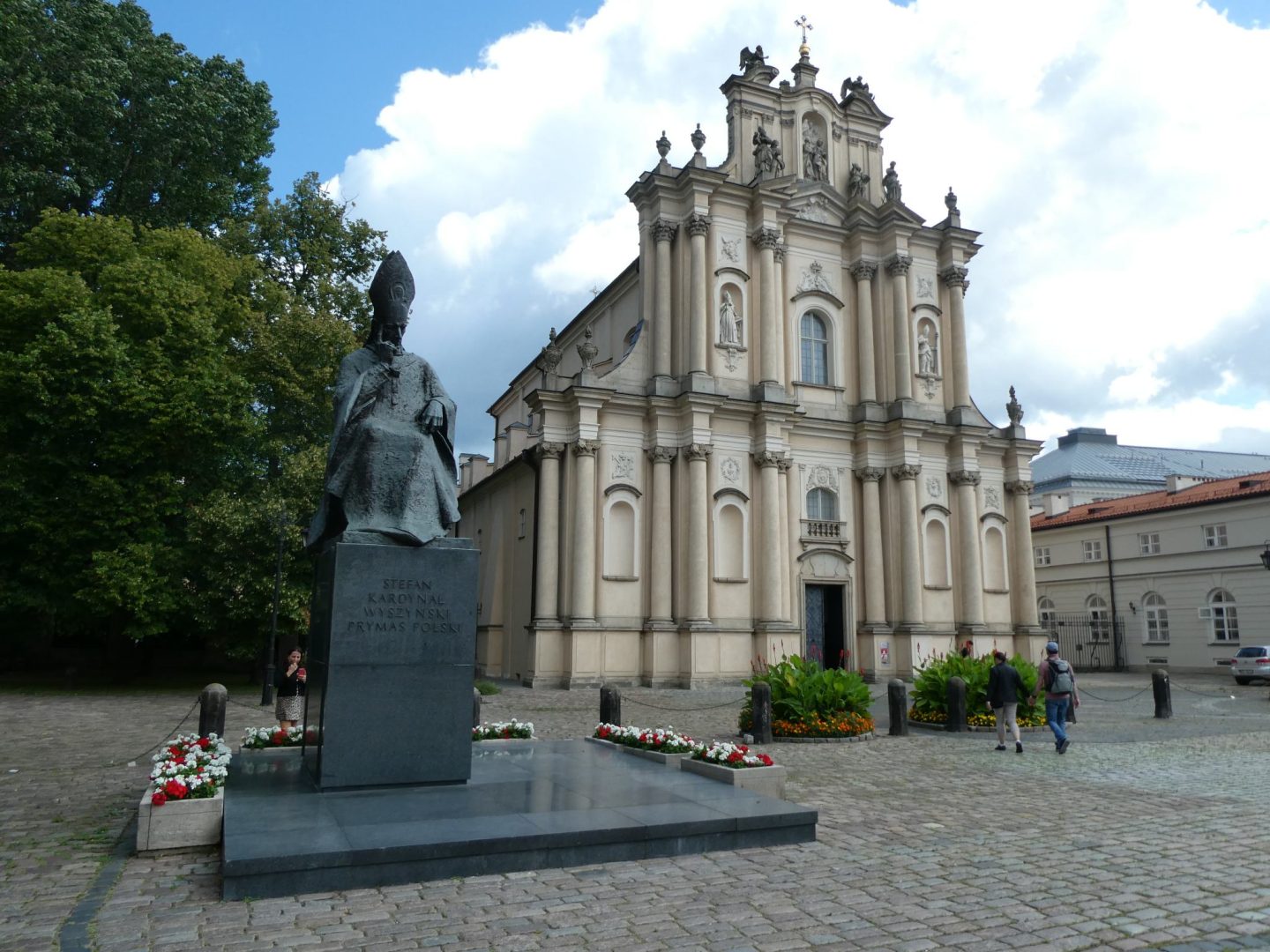
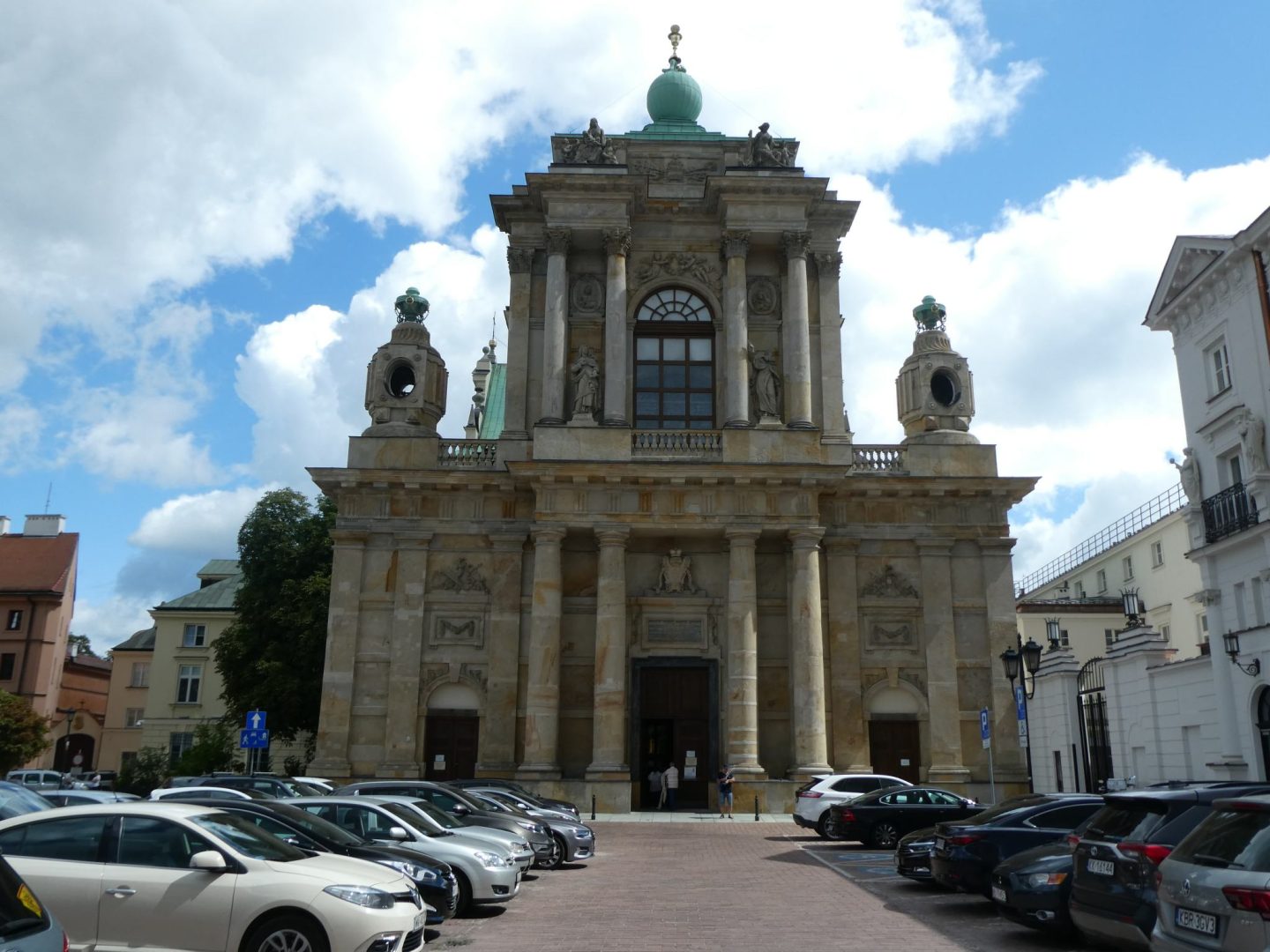
The most visited is the Holy Cross Church built in 1696. It was badly damaged when the Germans detonated two huge mines inside it.
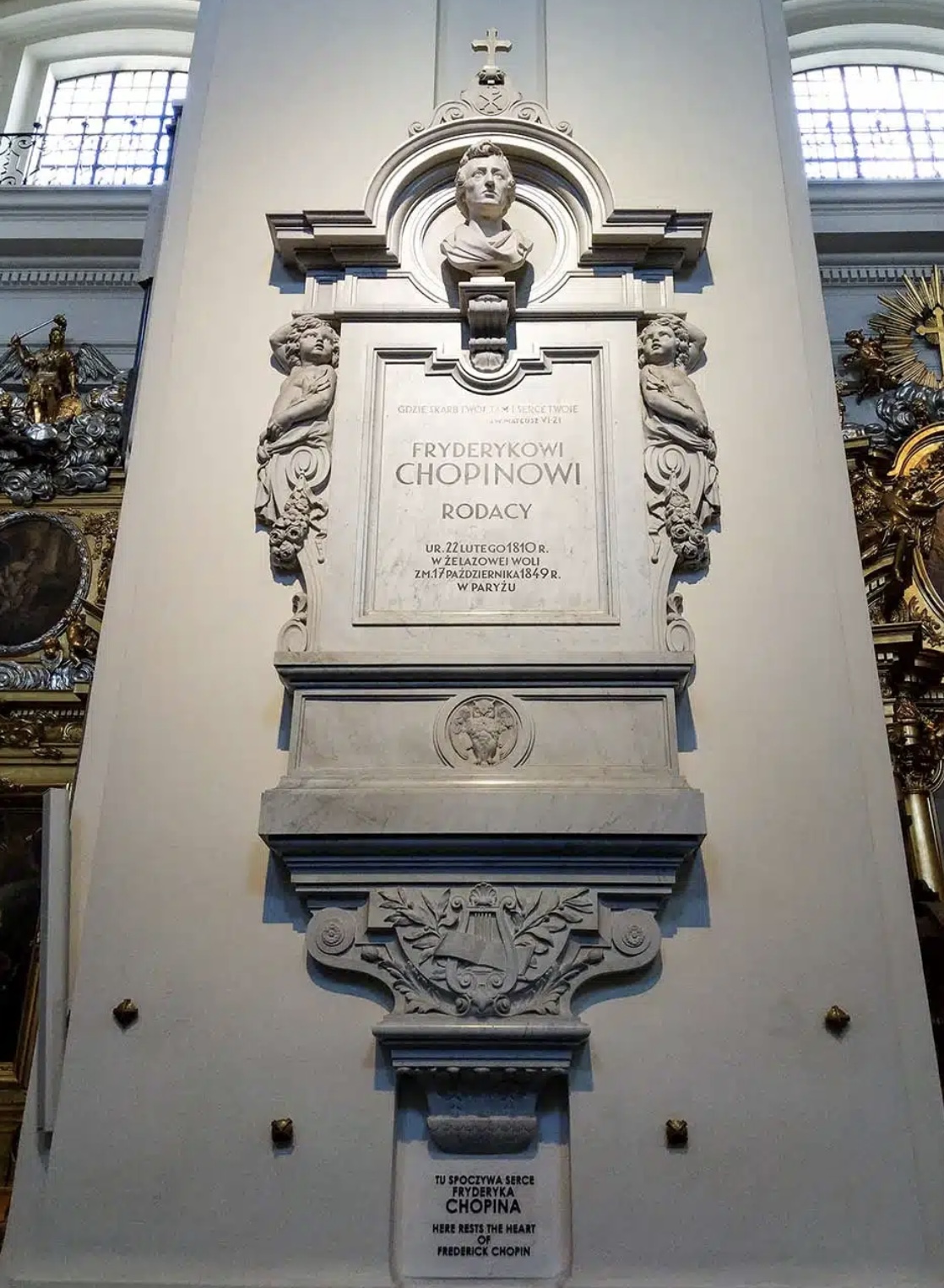
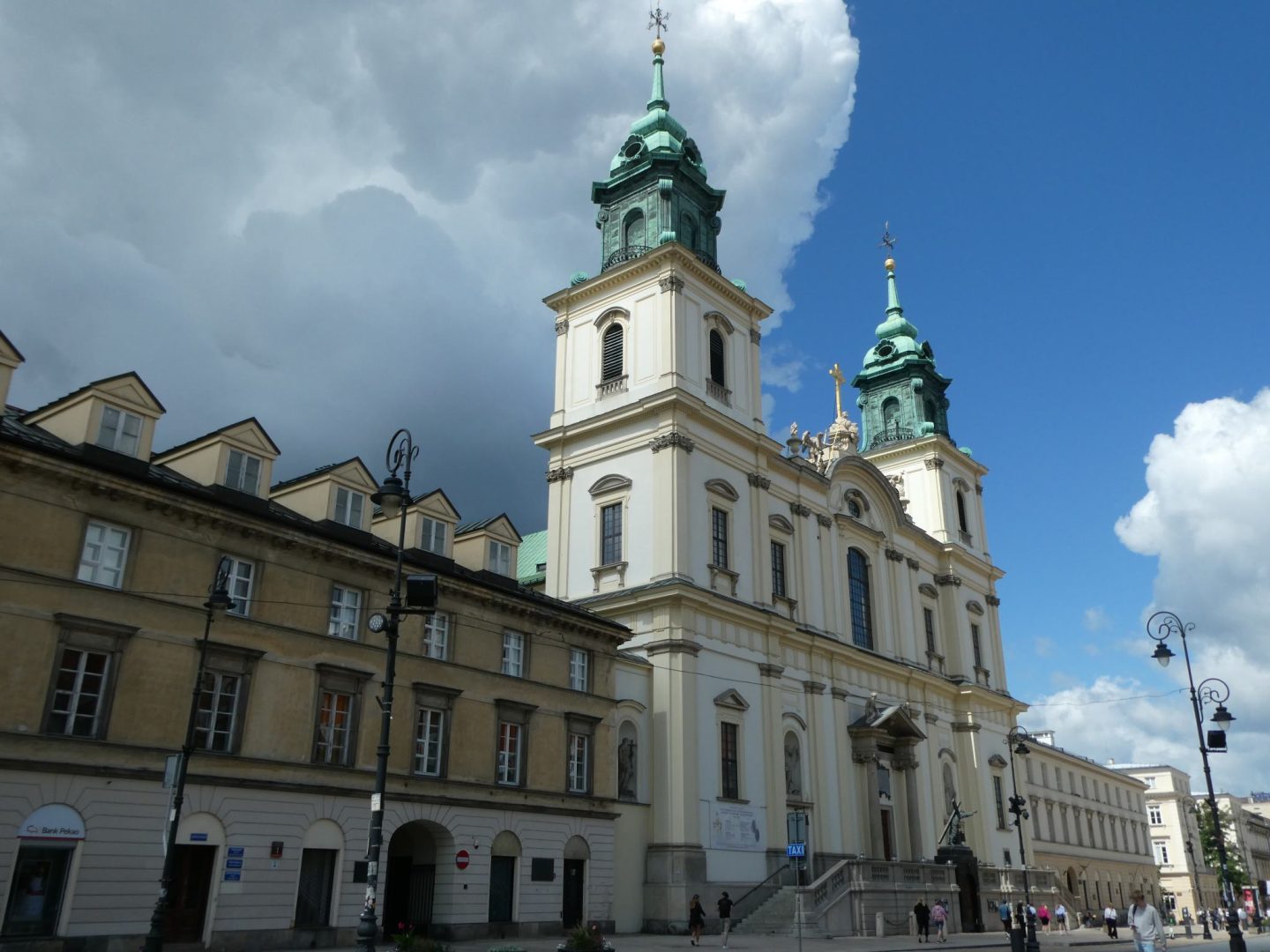 Repaired after the war, it houses the heart of Chopin who died in Paris at the tender age of 39. He’d been unwell for a long time and even been incorrectly pronounced dead once. He was deeply afraid of it happening again. In his last days he made his sister “swear to make them cut me open so I won’t be buried alive”. She delivered on the promise. His heart was cut out and preserved in a jar of cognac, which she later smuggled back into Poland.
During the occupation, a German priest gave the urn containing Chopin’s heart to an SS Officer but it was returned to the church as a propaganda exercise in 1944. It was smuggled out of Warsaw and hidden until the war ended. When the church was being restored, it was returned and built into a pillar.
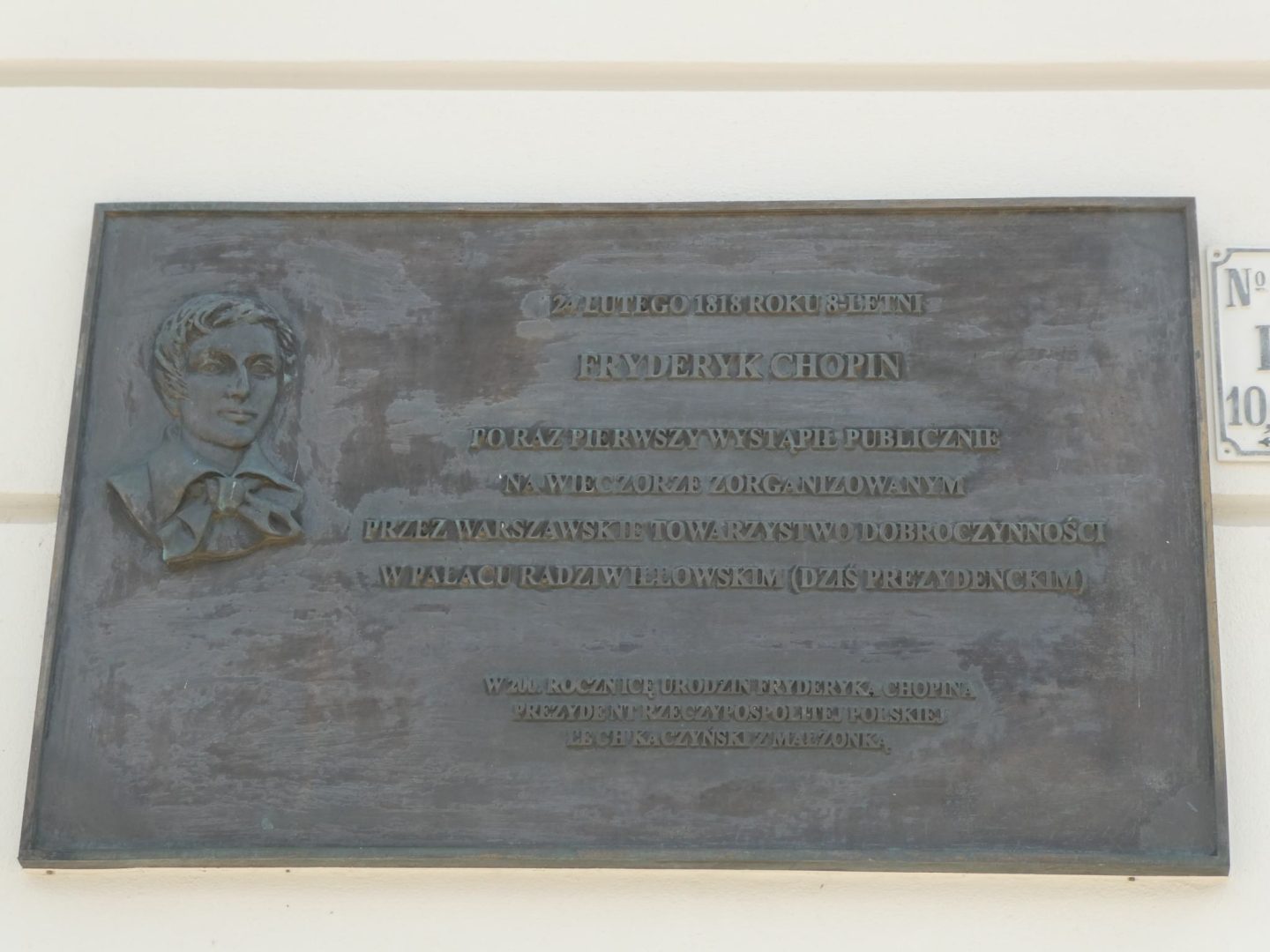
 Chopin lived in Warsaw until he was 20 years of age, so of course he is honoured all over the city. There’s a plaque on the concert hall where he first played in public, on 24 February 1818 aged just 8 years.
 You can listen to concerts of his music at the Cathedral and lots of other venues every night. And scattered around town are benches which play his music and have a plan of significant Chopin sights.
 Beyond the restored historic stuff, Warsaw is a modern city with lots of interesting places to visit.
POLIN, The Museum of the History of Jews in Poland should be on the list of every visitor to Warsaw. It’s an ambitious topic – Jews have lived in Poland for 1,000 years – and the museum is huge.
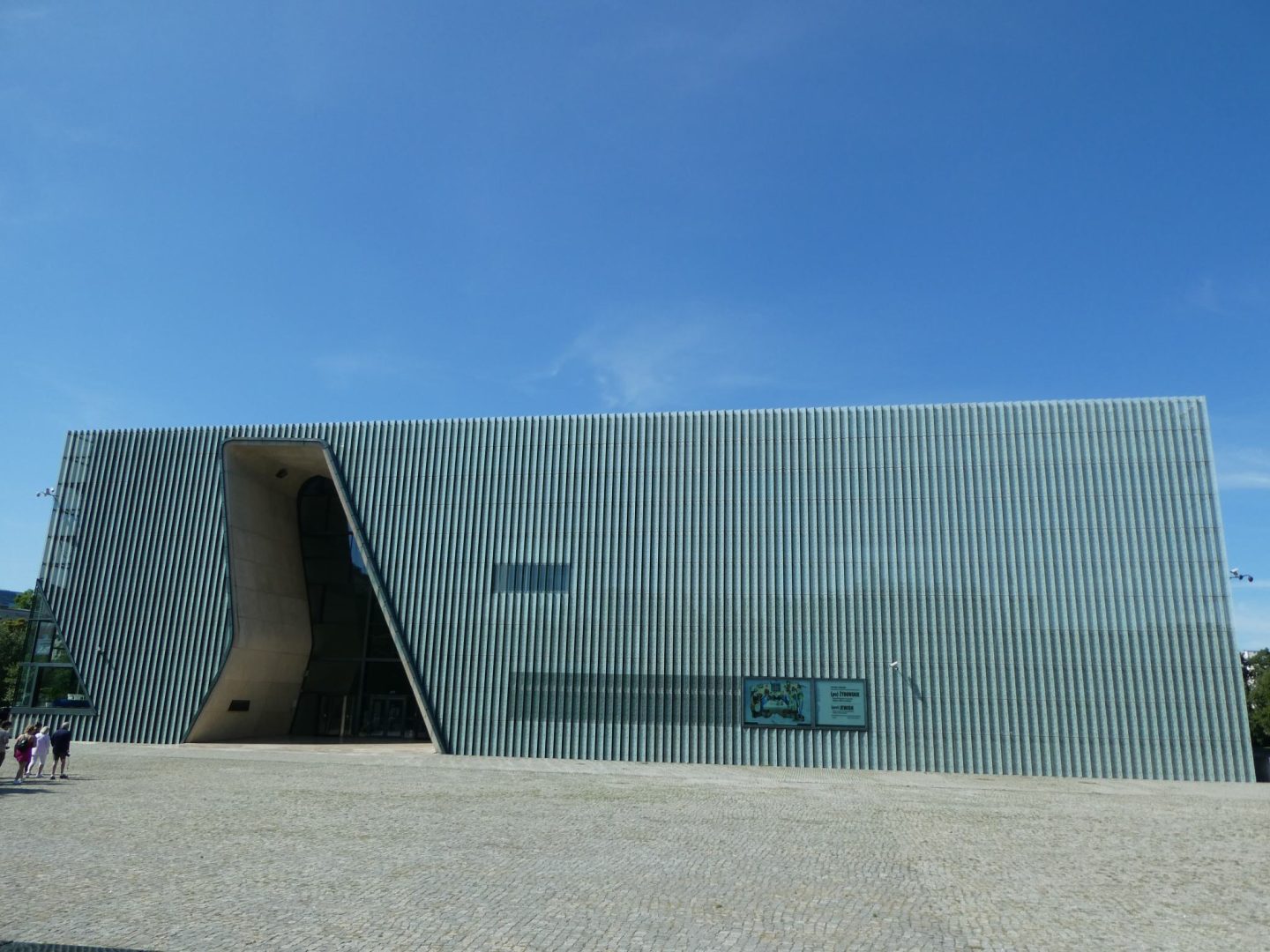
 But it’s brilliantly presented. An audio guide which activates itself every time you move from one room to the next keeps visitors progressing at a relatively even pace. It focuses on all aspects of Jewish culture and history, not just persecution. It’s comprehensive without being overwhelming. Three hours well spent.

Also worthwhile is the Warsaw Rising Museum.
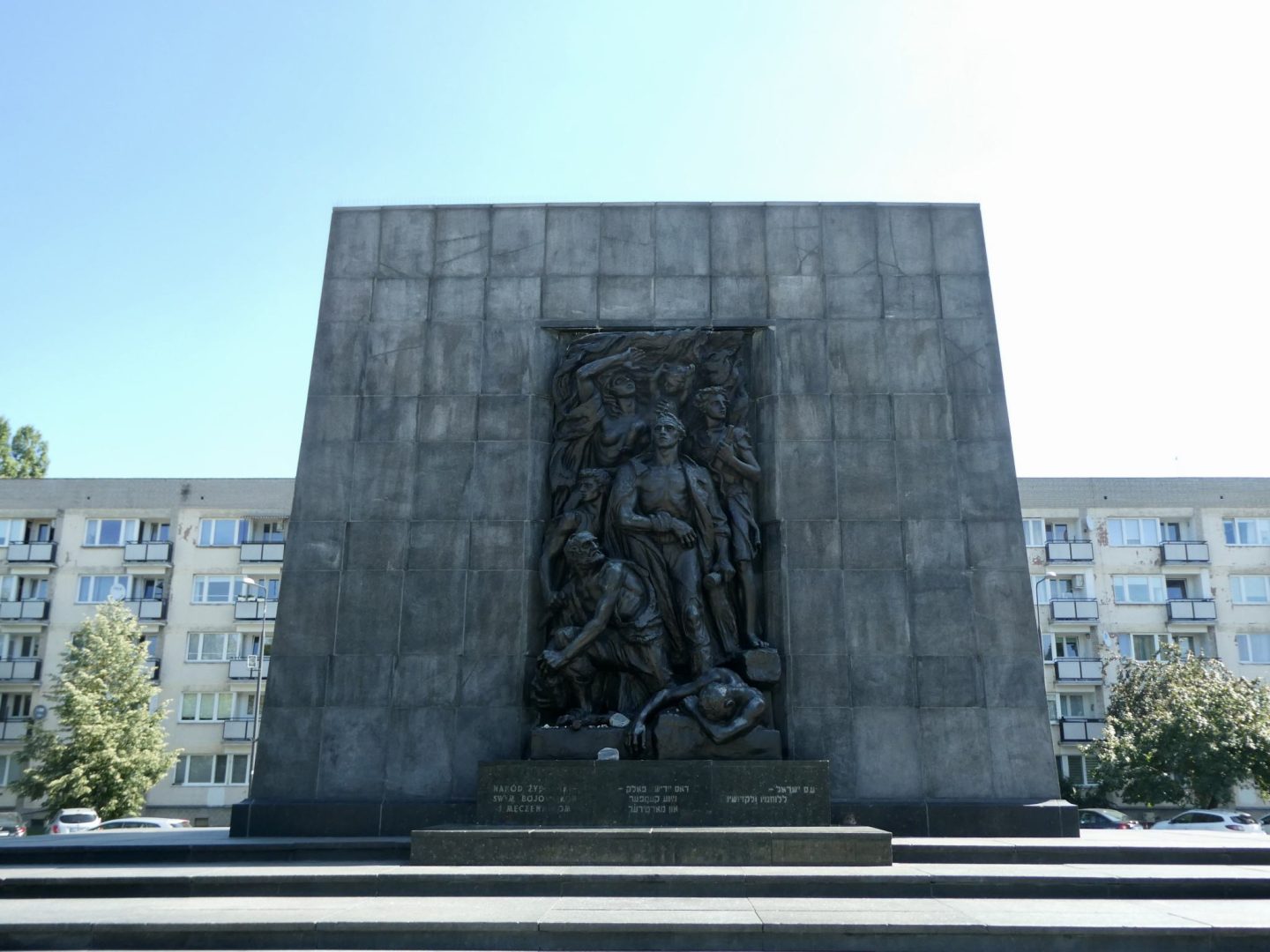
During Poland’s occupation by the Germans, a Polish government-in-exile operated from London. A small underground army was covertly organised in Warsaw. In July 1944, with the Soviet army advancing, the government-in-exile ordered the Home Army to rise up and seize Warsaw.
The Warsaw Rising was planned to take 48 hours, but continued for 63 days. The Russians sat back and waited. Worse, they refused to allow British planes to use Russian held airfields from which they could have more easily air-dropped supplies to the Poles. Eventually, the Germans prevailed in Warsaw. Home Army fighters and civilians supporting them were sent to PoW camps in Germany. The remaining civilian population was expelled. An estimated 150,000 to 200,000 Poles perished.
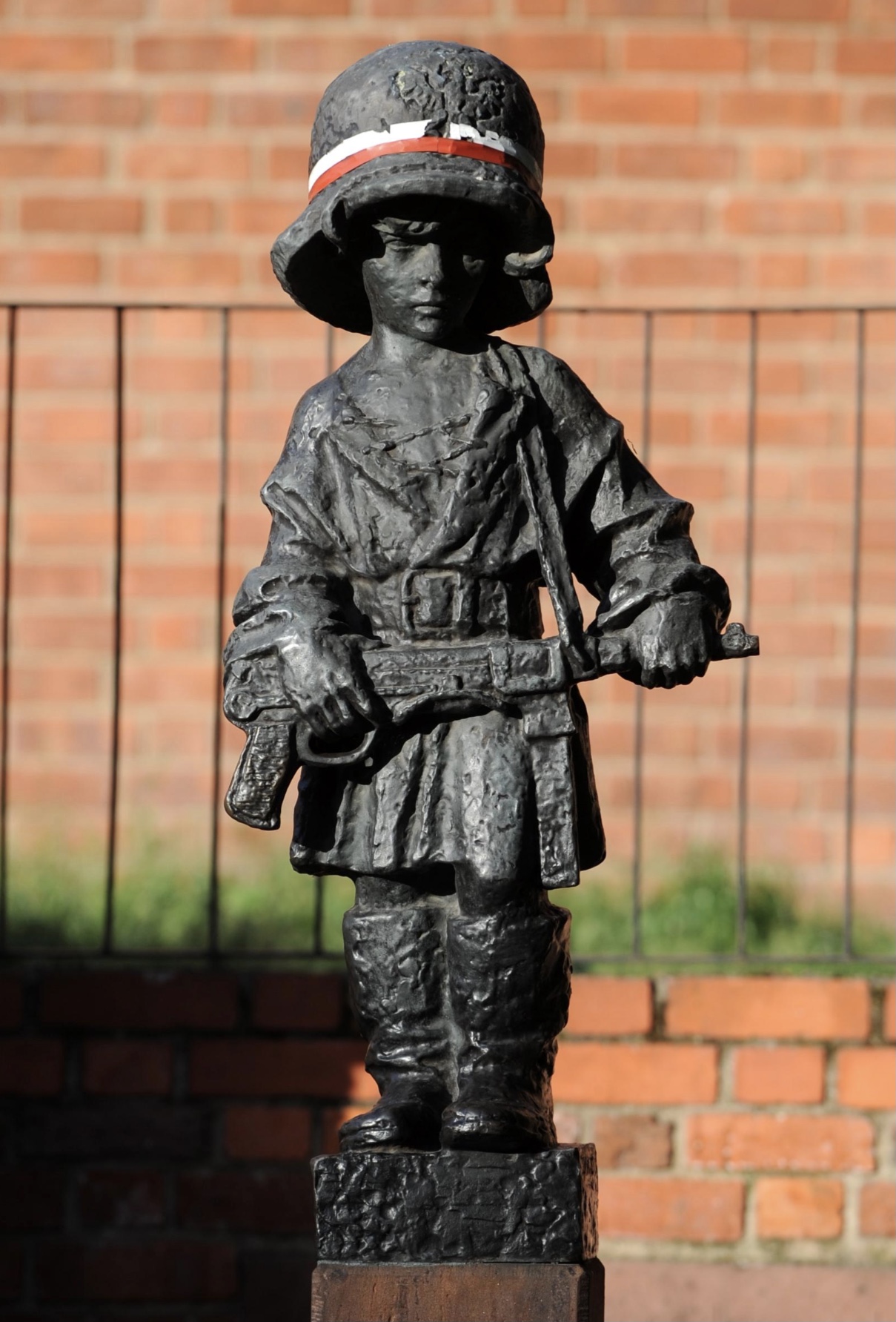
The Warsaw Rising Museum charts the history of the German conquest of Warsaw, life during the occupation, the uprising and the devastating effects of its failure. Even children fought with the Home Army and they are honoured with a little statue back on the walls of the Old Town.
Russia refused to recognise the legitimacy of any Polish units or resistance fighters not under Russian command. They wanted a narrative of Russia liberating the country and to impose their own rule. Thousands of Polish army officers, police and members of the intelligentsia were detained and sent to camps within Russia.
In 1940, the Russians marched 22,000 of them into the Katyn Forest and three other secluded sites, slaughtered them and buried the bodies in mass graves. Collectively the killings are known as the Katyn Massacre.
When the German army discovered the Katyn Forest mass grave in 1943, the Russians claimed the Germans were responsible. It was not until the 1990s that Russia, under Mikhael Gorbachev, admitted that the massacre had been carried out by Soviet secret police acting on orders from Stalin.
The Katyn Massacre Museum gets virtually no publicity. We came across it on Google Maps by accident and decided to visit. It’s small and tucked away in the suburbs. All of the information is in Polish only, but you can get an audio guide with key information in English.
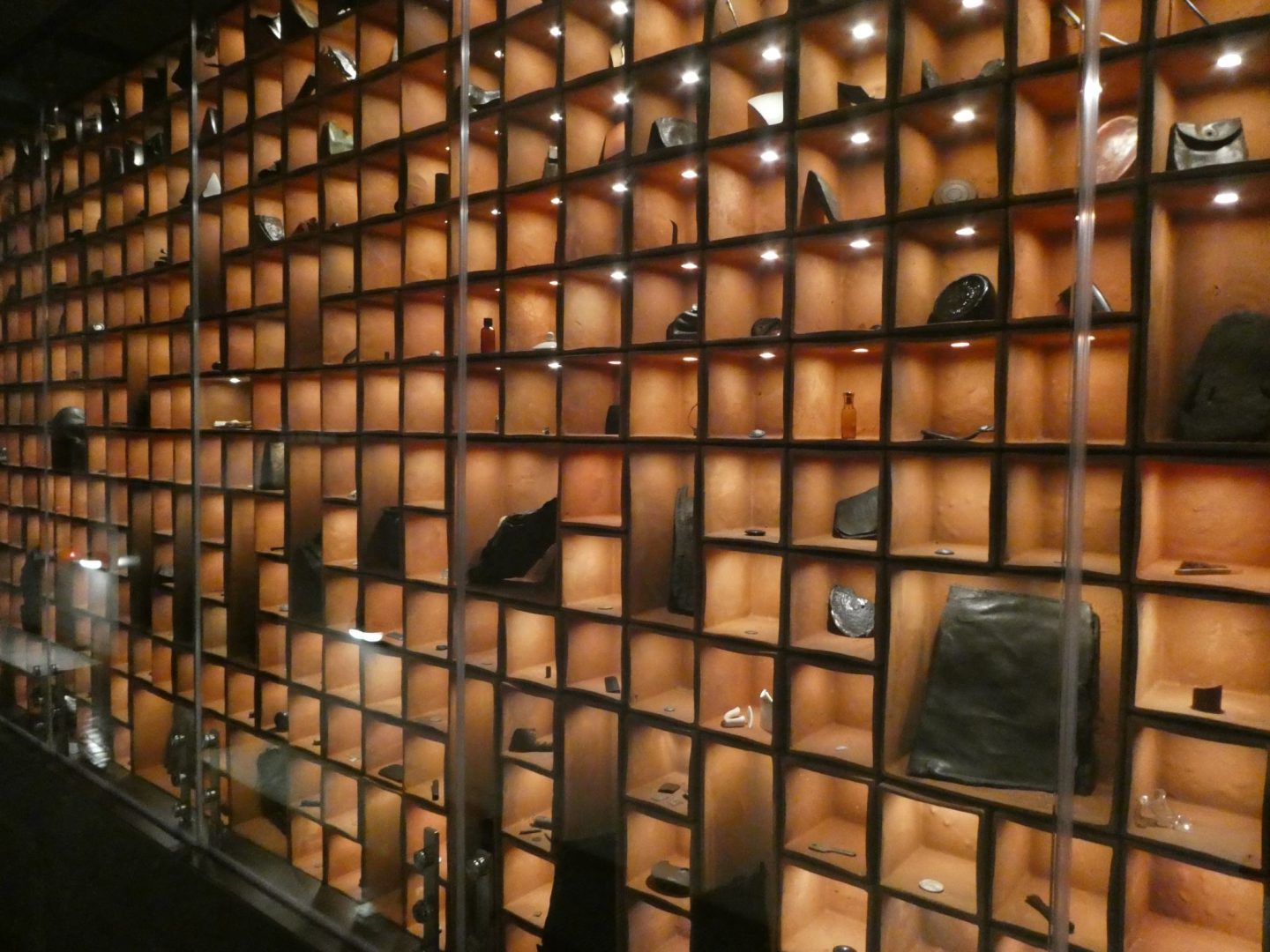
And you don’t need an audio guide to be moved by the display of tiny personal objects recovered when the mass graves were finally excavated.
 Speaking of Stalin, the Palace of Culture and Science is Poland’s second tallest building and the sixth tallest in the EU. When it was completed in 1955 it was the eighth tallest in the world. 237 metres. No one will be surprised to learn it was Russian-designed or that it was a ‘gift’ from Stalin.
If you’ve read our post on Riga, you’ll see the resemblance to the Latvian Academy of Science, also a ‘gift’ from Stalin, nicknamed Stalin’s Birthday Cake. The Warsaw version had several nicknames. We’ll just mention the G-rated ones: Elephant in Lacy Underwear, Russian Wedding Cake, Stalin’s Rocket.
It’s a controversial building, not least because it was built during a period of severe repression and human rights abuses directed by Stalin. Many have called for its demolition but the government has baulked at the cost.
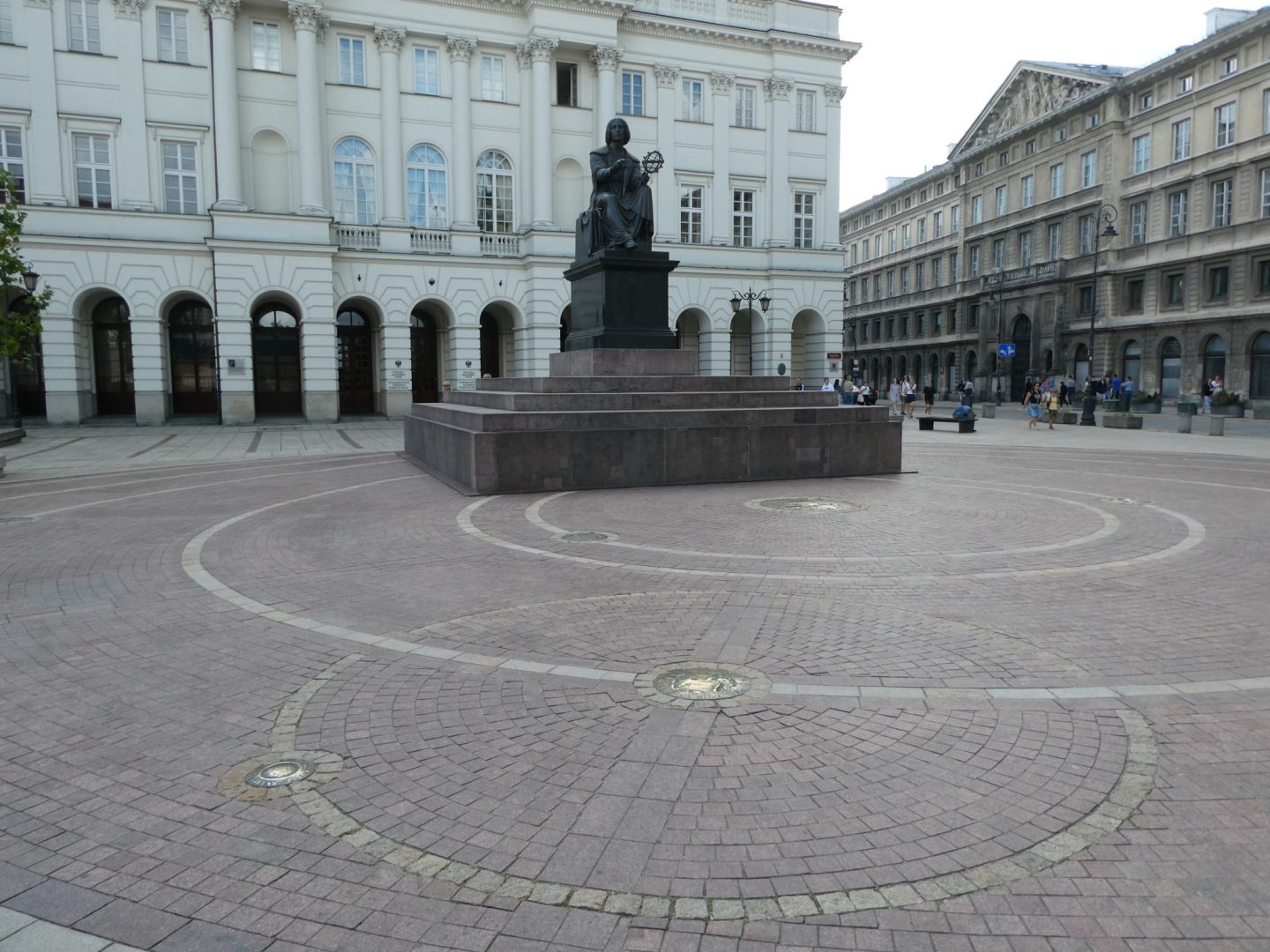
 Nicolaus Copernicus is, of course, known as the mathematician and astronomer who developed a model placing the Sun rather than the Earth at the centre of the solar system. Greek astronomer Aristarchus worked it out about eighteen centuries earlier but somehow that knowledge got lost until Copernicus published his book On the Revolutions of the Celestial Sphere in 1543.
This statue has him looking down at the universe as he realised it had to be: the planets orbiting the Sun and the moon orbiting the Earth.
Geeks and non-geeks alike will have a ball at the Copernicus Science Centre. It’s an ultra-modern museum with more than 400 interactive science exhibits.
There’s a lot about robots and AI which was fascinating, including a Robot Theatre.
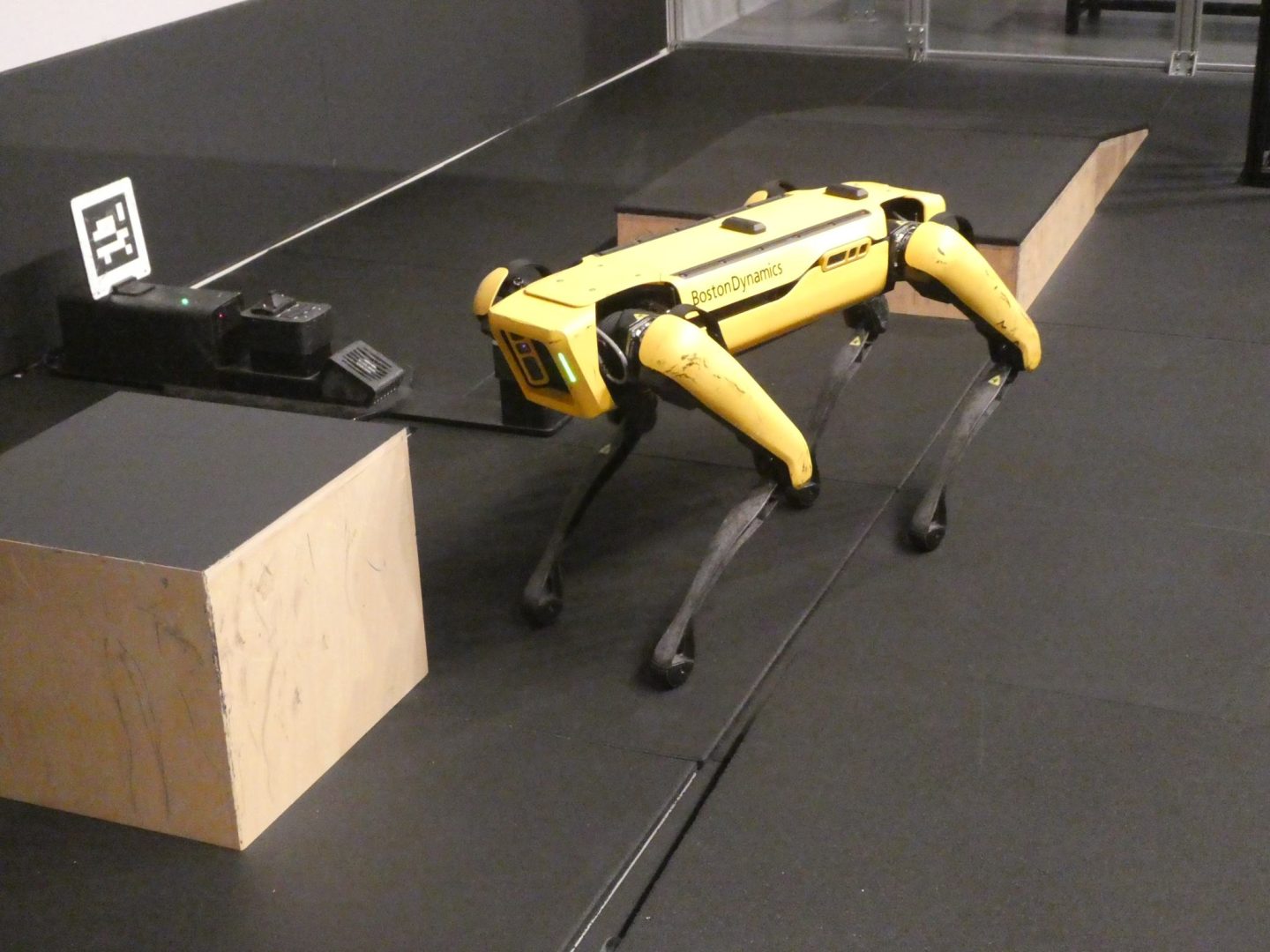
 Dr SPOT, the robot dog, can run over rough terrain, climb hills and walk up stairs. During the COVID-19 pandemic, doctors at a Boston hospital strapped an iPad and two-way radio to his back and used him to video conference with patients in isolation. Now scientists are working on a version which will be equipped with sensors to measure a patient’s heart rate, blood pressure and other vital statistics.
Kids can use a controller to make him run around, back up, climb a ramp etc.
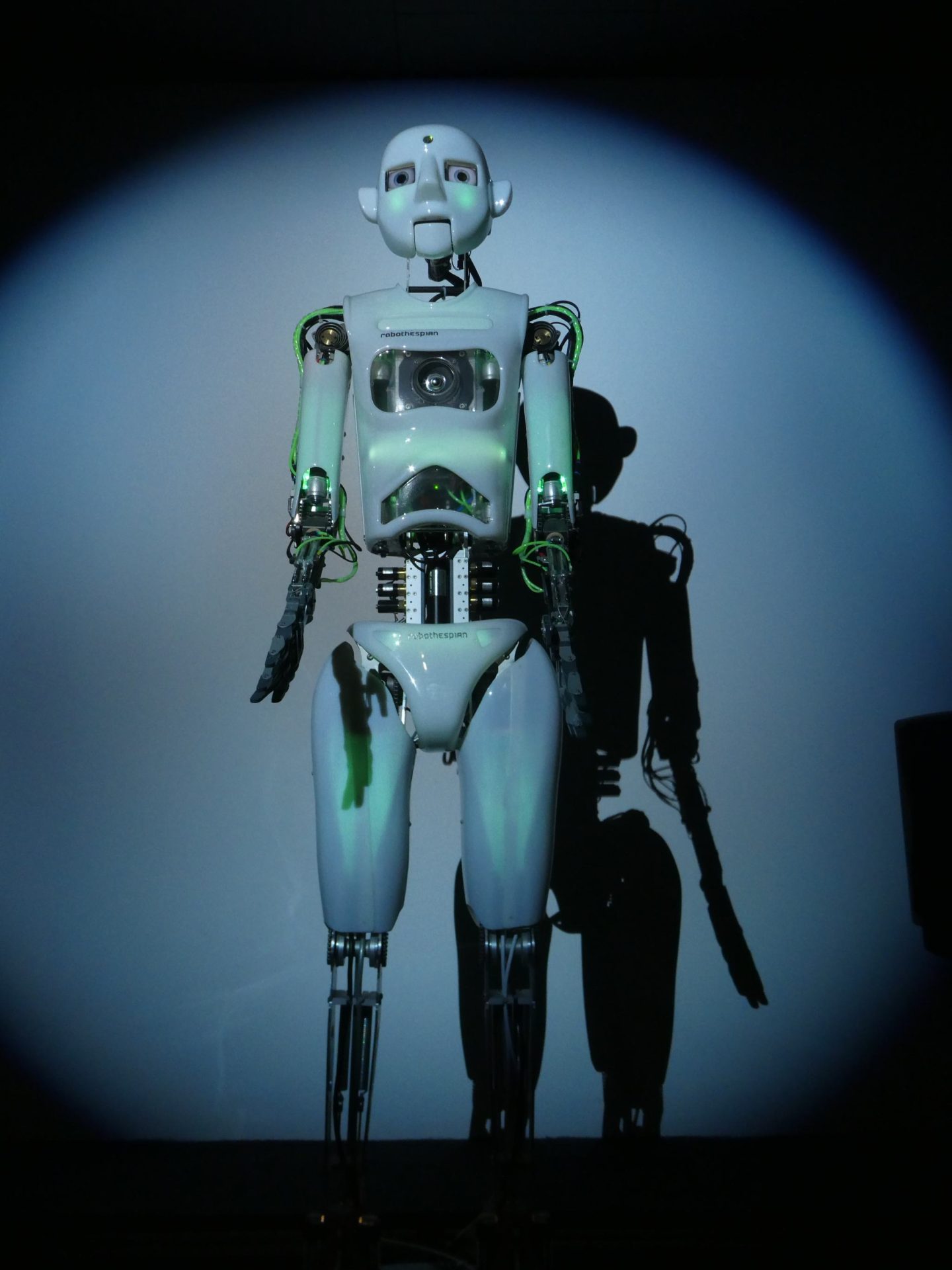
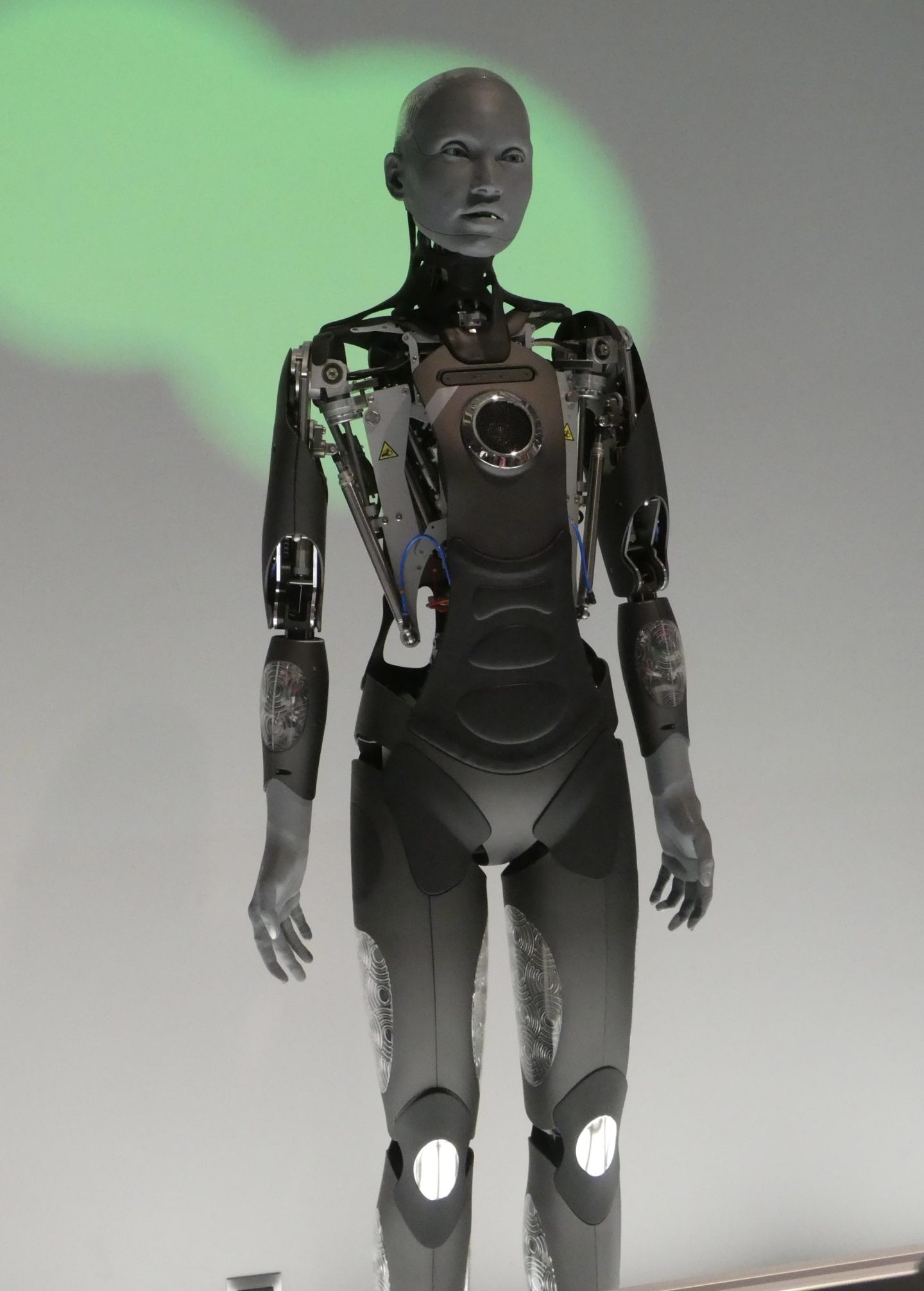
Ameca is ‘one of the most advanced humanoid robots in the world’. Her face, which can mimic human facial expressions, is almost scarily realistic. She gives AI generated answers to any question. Julie asked “Will robots take over the world?”. The answer was remarkable in both its practical and philosophical level of detail.
 Not quite so impressive was the AI poet.
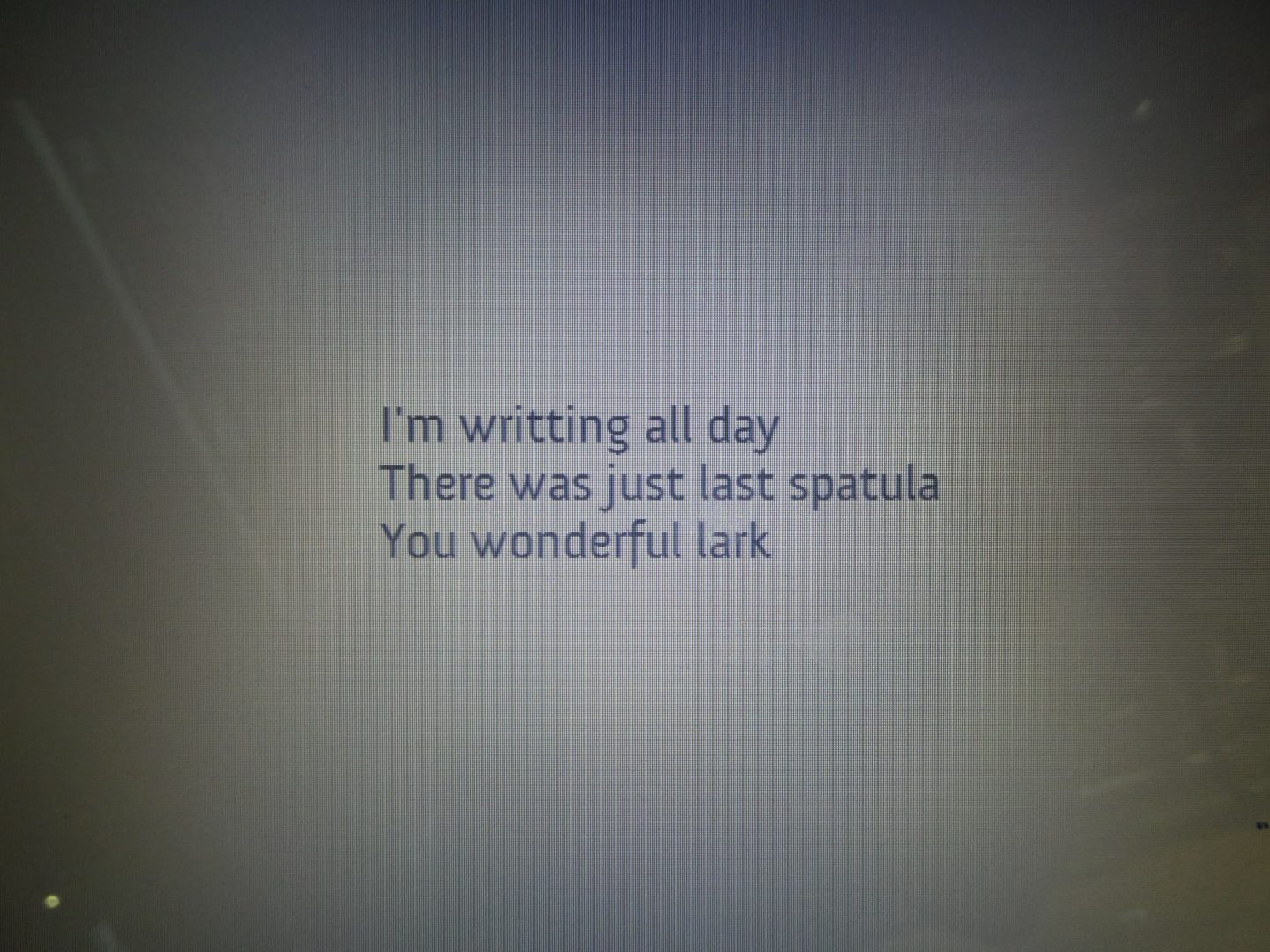
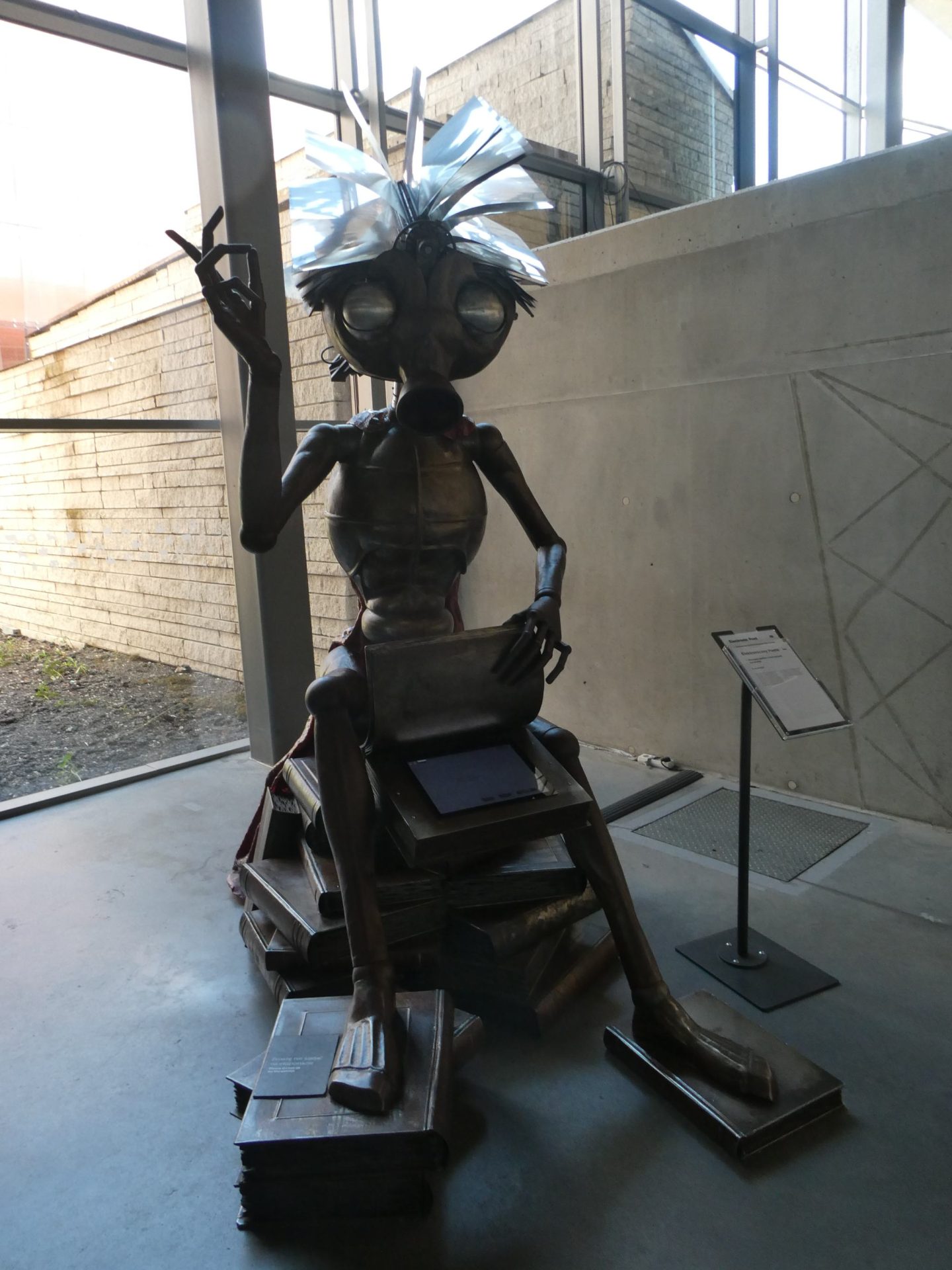 We asked her to generate a ‘romantic’ poem. This is what she produced.
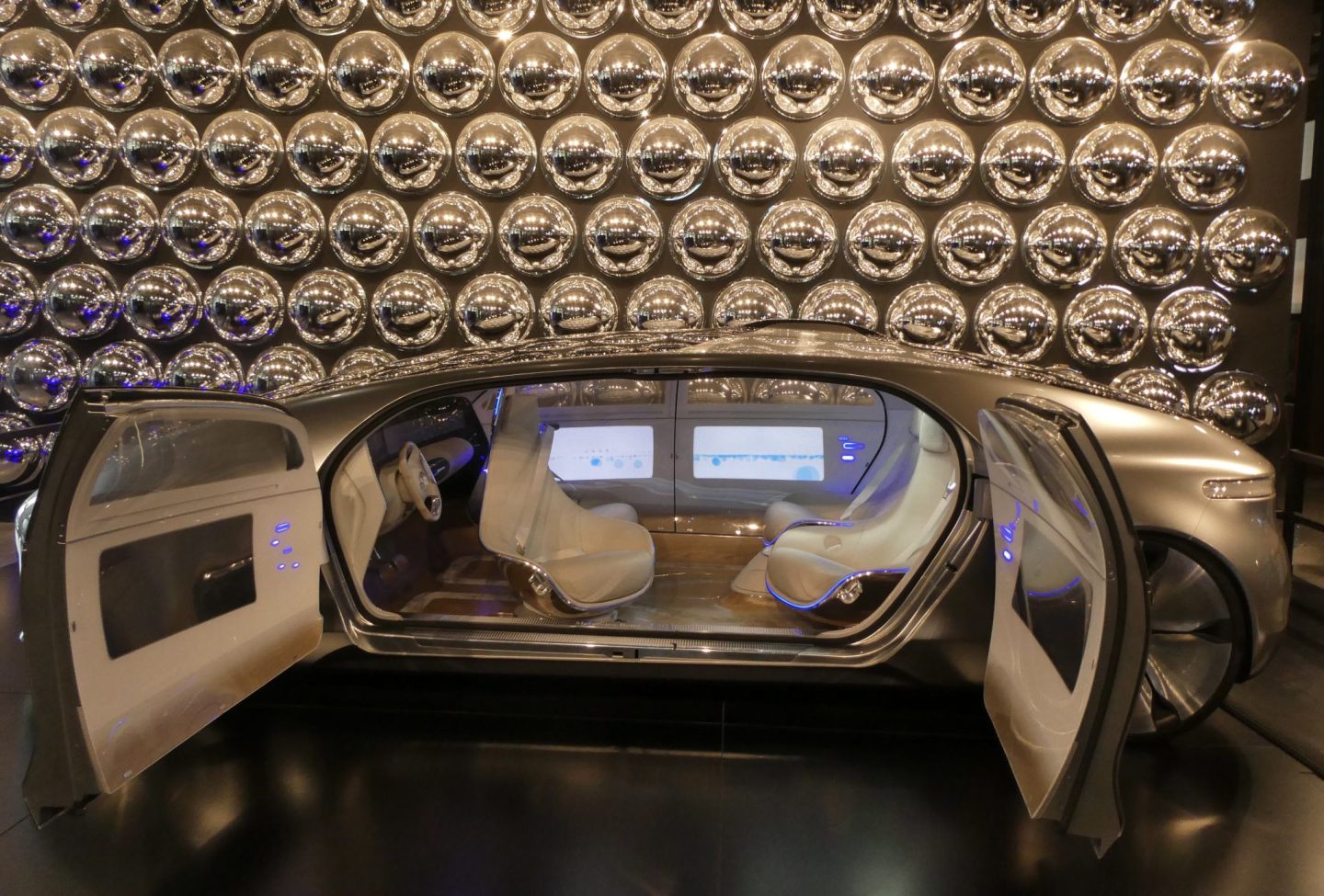
 A Mercedes Benz F 015 driverless car seats four passengers facing each other. It is equipped with screens and a voice informing passengers about what it’s doing and it has the ability to tell pedestrians they can cross in front of the car. The covetous gleam in John’s eye was unmistakable. “I want one”.
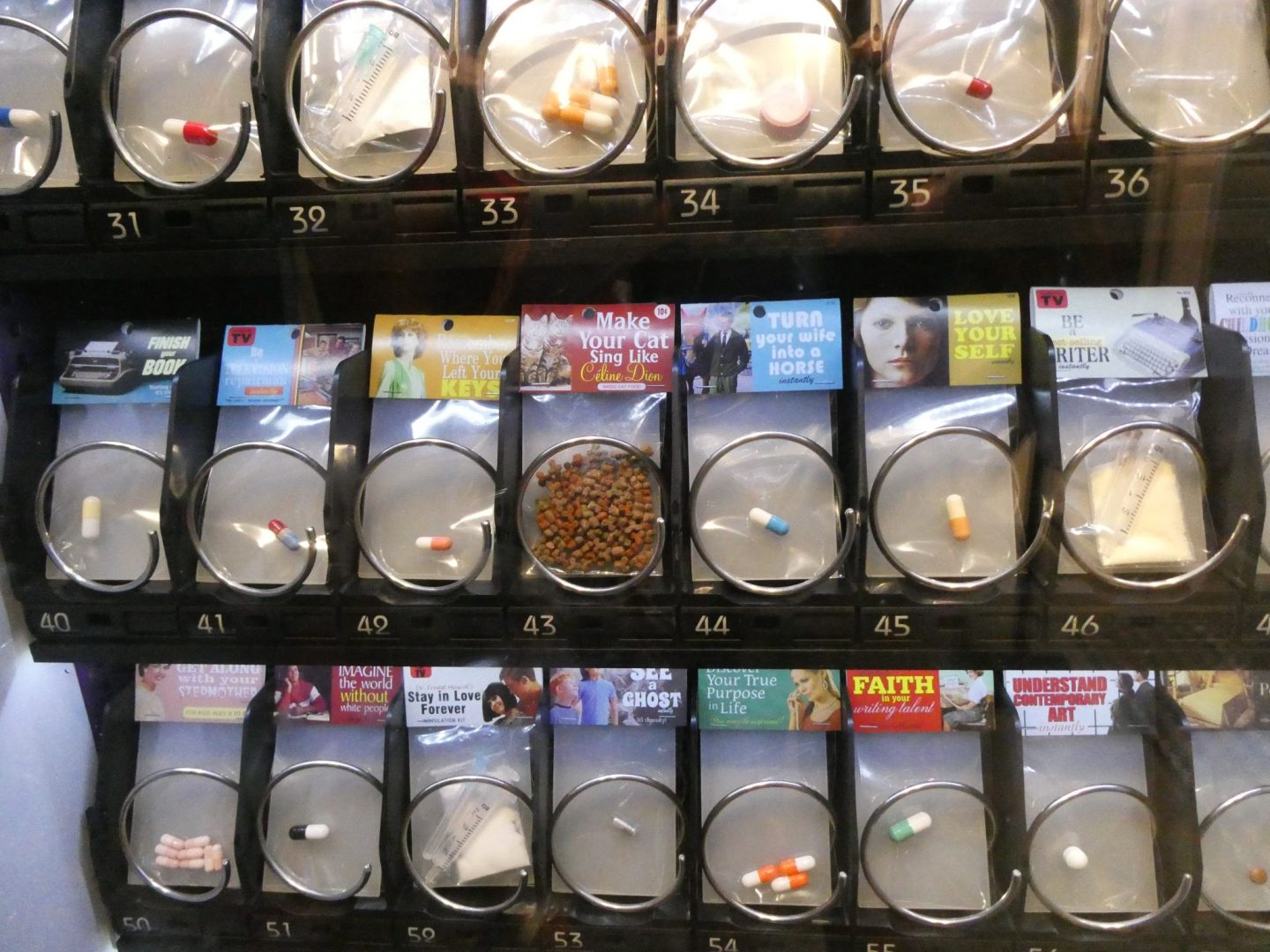
 And a bit of fun – an imaged future where you can get a pill from a vending machine for anything you desire. But would you really want a pill to turn your wife into a horse? Or kibble that makes your cat sing like Celine Dion?
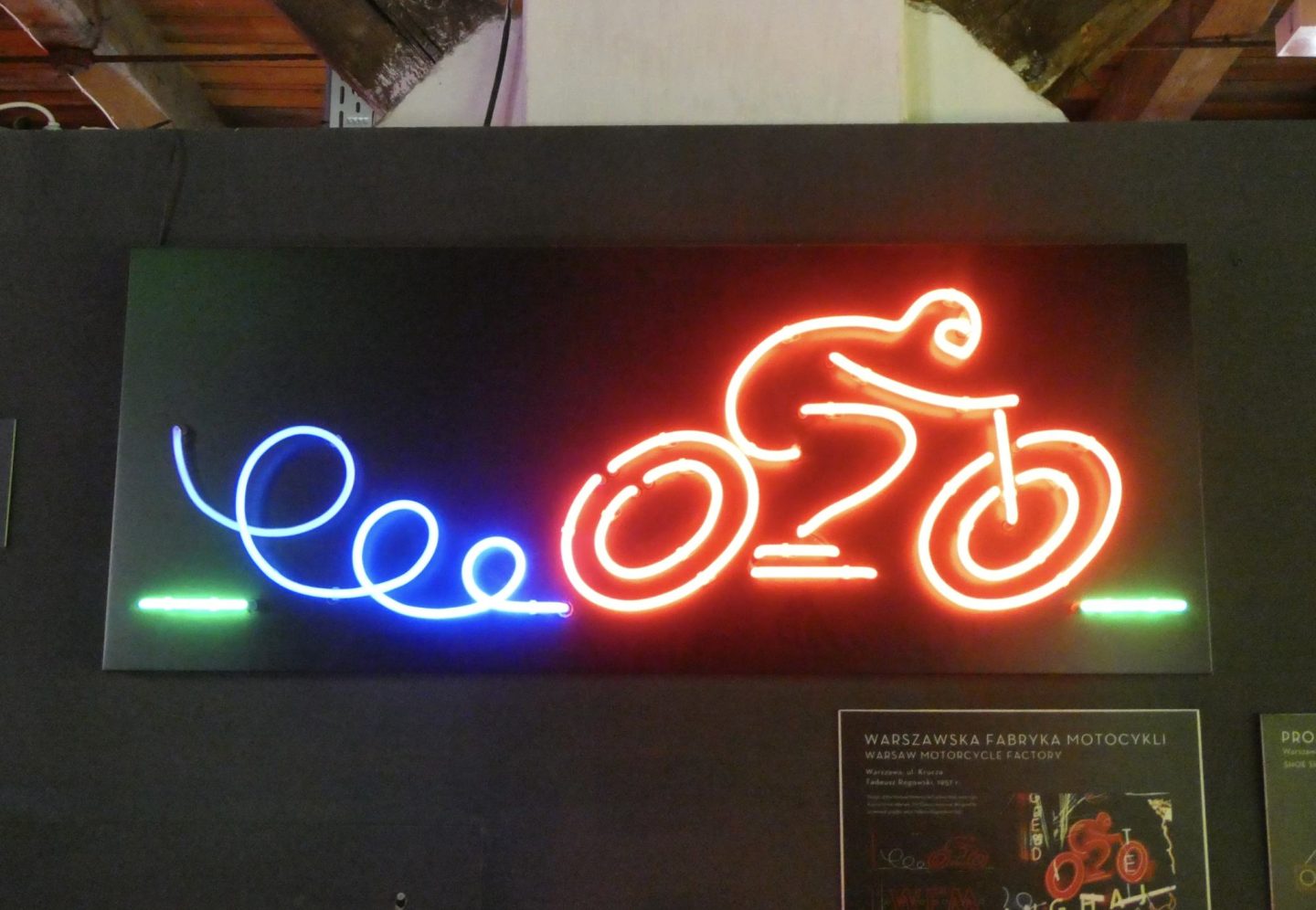
 And the most unique thing in Warsaw? The Neon Museum, dedicated to documenting and saving Cold War era neon signs. In the 1950s to 70s Warsaw was full of neon signs but they weren’t like those in the West. As advertising was a capitalist evil and a sign of decadence, signs could not advertise products or business names. ‘Cafe’ was ok, ‘Akeksy’s Cafe’ was not. And certainly not ‘Best Cafe in Warsaw’.
When the Cold War ended, lots were torn down. They were seen as an unwelcome reminder of bad times. But in 2005, the remarkable woman behind the Neon Museum recognised the value in preserving what may not be the most elaborate neon but is a snapshot of a moment in time in the centuries long history of this city.

Some of them are rather cute. The puss in boots below was outside a shoe shop. The bear – definitely not Winnie the Pooh as that would be too Western – is from a toy store.


And just in case you thought the robot displays at the Copernicus Science Centre were a futuristic fantasy, the Warsaw train station platforms are equipped with fully functioning robot coffee vendors. Place your order on the touchscreen and the robotic arm makes and delivers your coffee. Baristas with attitude – your days are numbered.


There is a lot in this post re; Polish history made very interesting with the addition of photos. The view of Warsaw from your accommodation is spectacular. I won’t be forgetting then image of Chopin’s heart ❤️ in a jar in a hurry. And thanks 🙏 Julie for the tip on AI – do not use robot for writing poetry x
Author
Poets’ jobs are safe for now. Not sure about baristas.