Vienna in three word? Museums, music and cake.
First the museums. There’s 111 and counting.
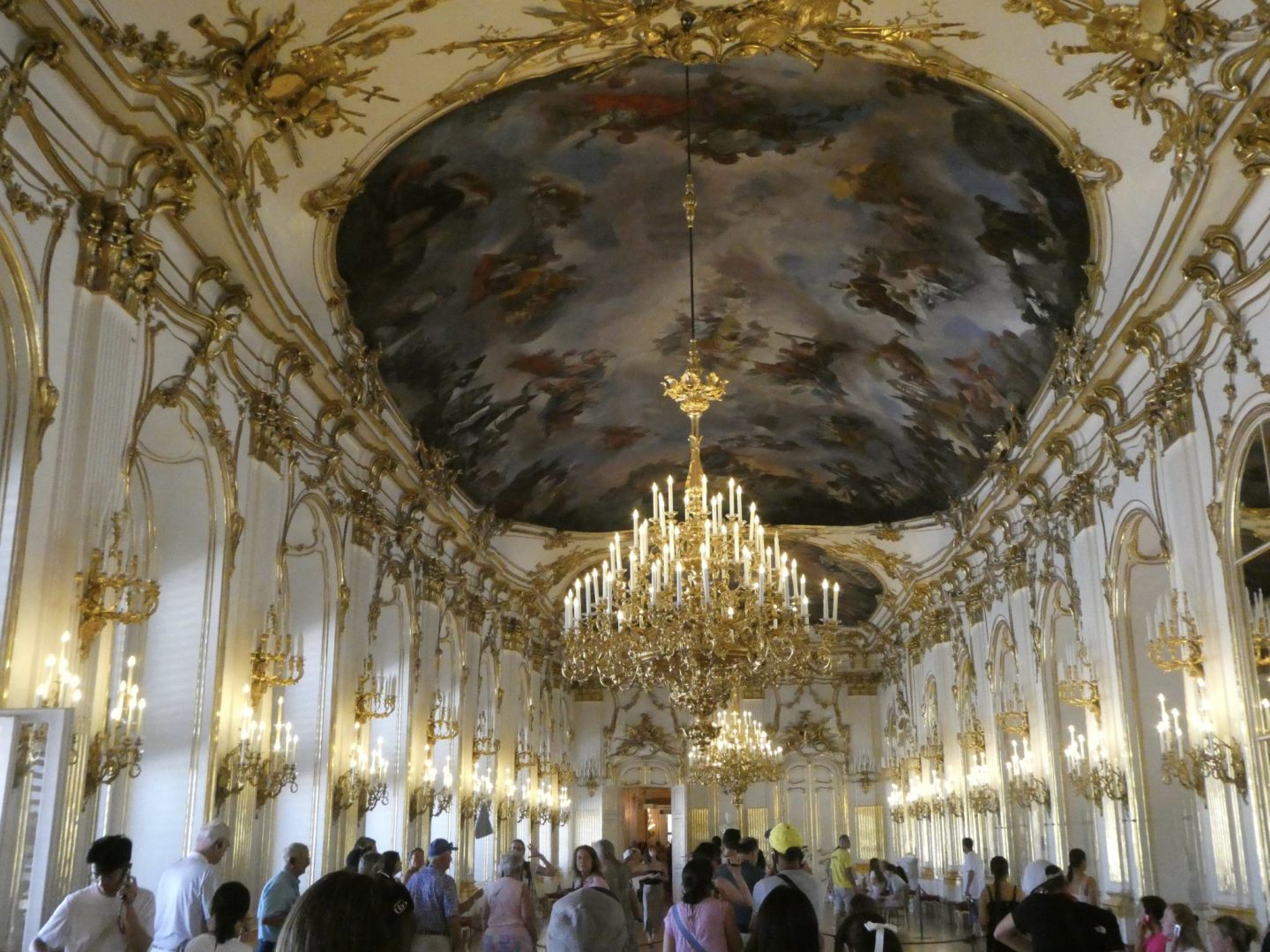
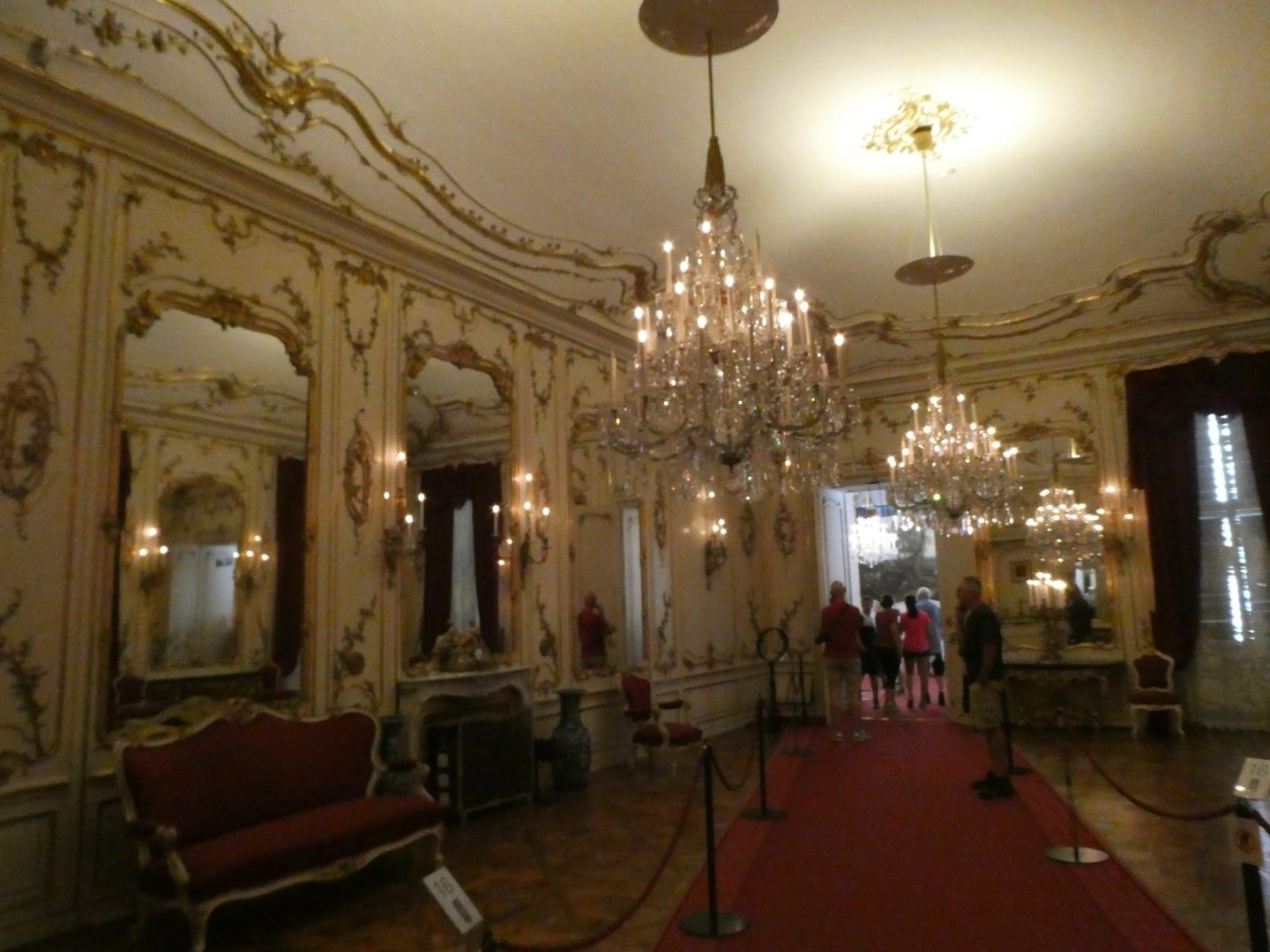
Vienna’s most visited is the Schönbrunn Palace. The 1,441 room summer palace of the Habsburg Empire’s monarchy has existed in its present form since the 1750s. Austria’s longest reigning emperor, Franz Joseph died at the palace in November 1916, aged 86. Two years later, the monarchy collapsed following Austria’s defeat in WWI. The palace became the property of the newly formed Austrian Republic and has been preserved as a museum ever since.

An audio guide takes you through the royal reception rooms and the monarchs’ private apartments so you can ogle the opulence.
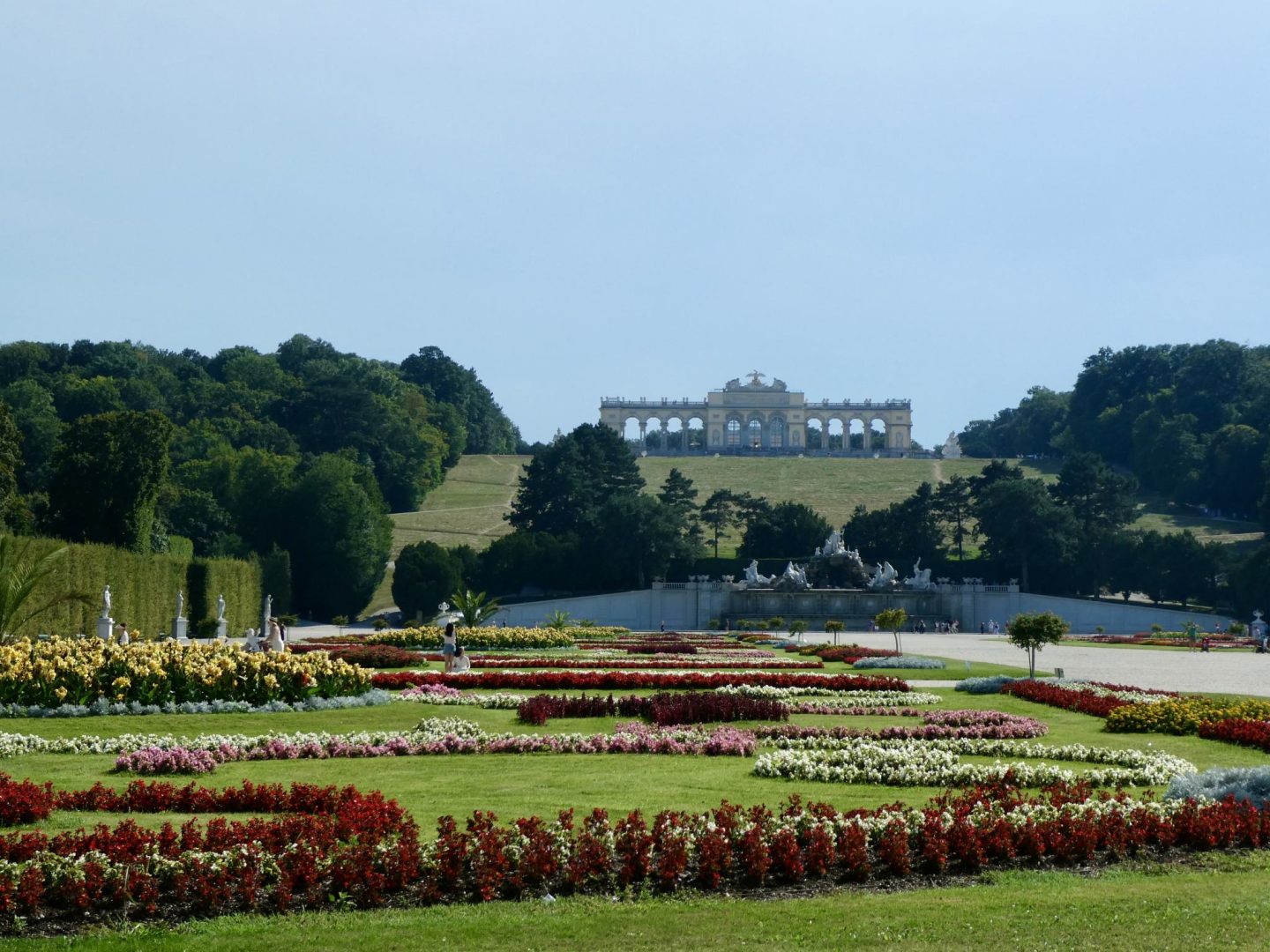
Behind the palace, visitors can stroll through the Schönbrunn Gardens all the way to the Gloriette. The name is from a 12th century French word ‘gloire’ meaning ‘little room’ and refers to a building in a garden erected on a site which is elevated compared to its surrounding. Little it is not. In fact, it’s the largest gloriette in the world.
In the palace park, there’s also the Imperial Carriage Museum where Habsburg carriages, sleighs and related paraphernalia are exhibited.
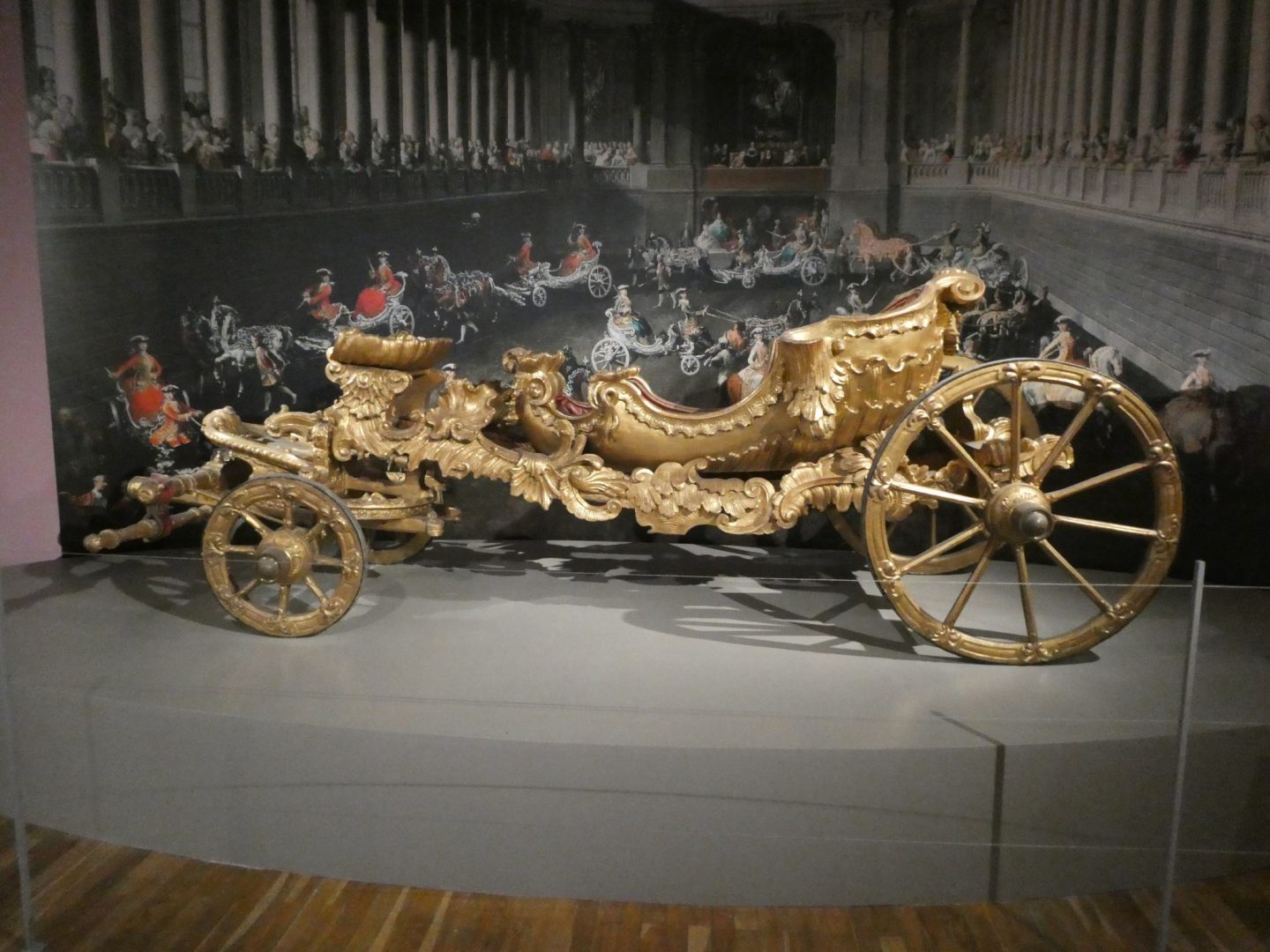

Check out this snow sleigh with leopard skin covering. Underneath the seat are two life-size gold leopards.
 When winter set in, the royals decamped to the Hofburg Palace in central Vienna.
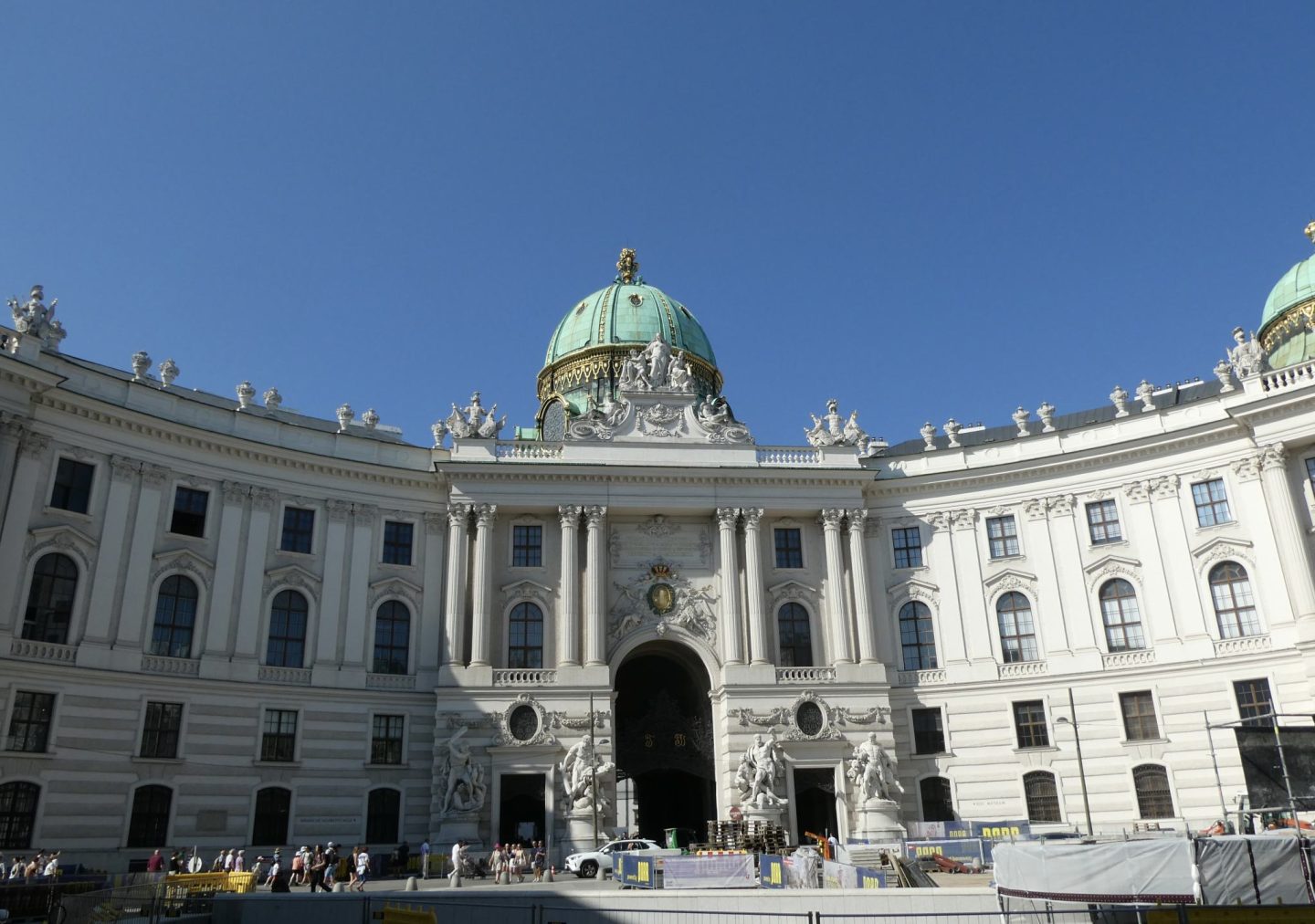
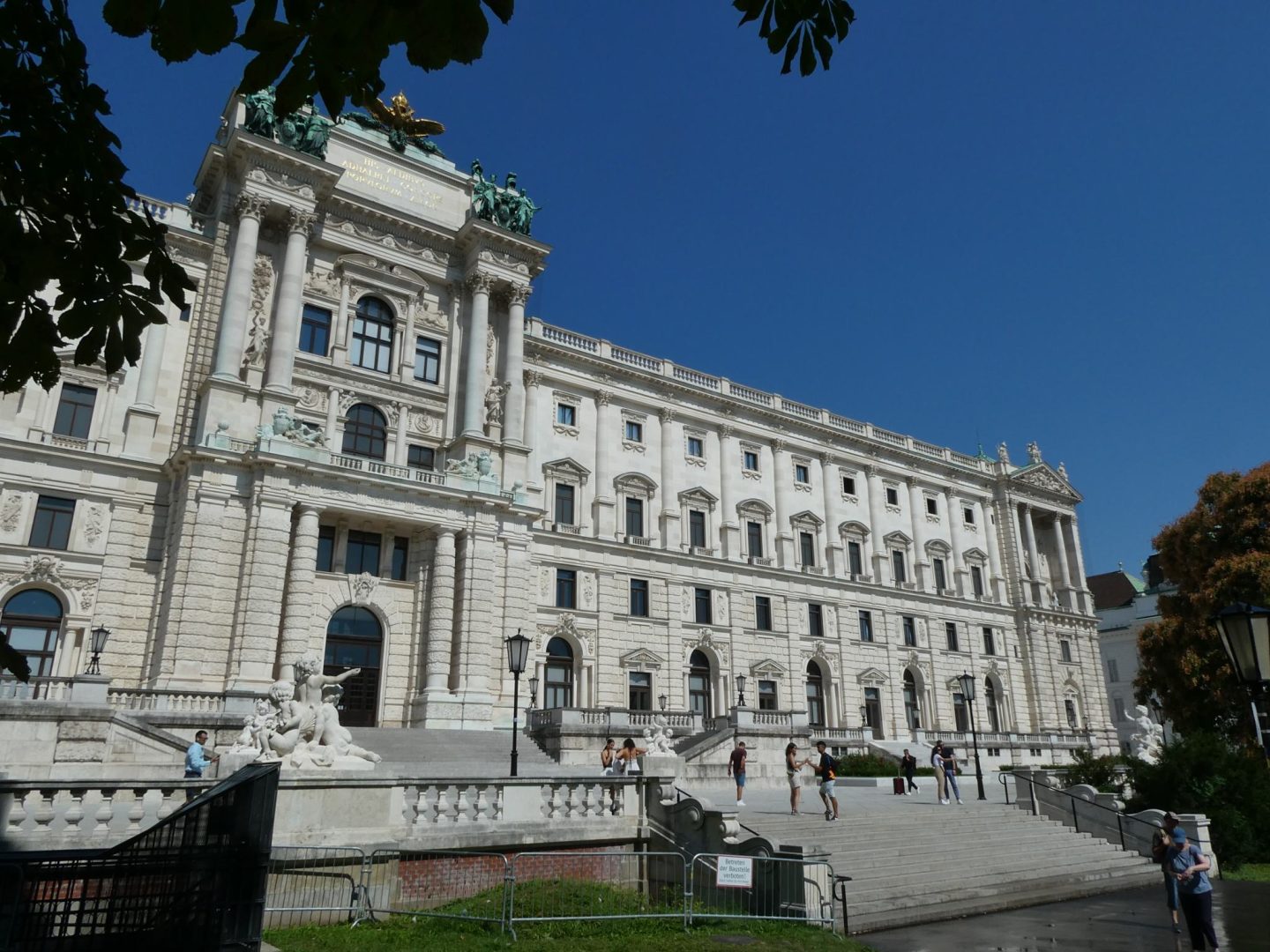 Now it’s the home of the Austrian President, government offices, museums and the National Library. It would take days and a severe case of museum overload to see all of them.
We chose the National Library for its elegant interior, which included some secret entrances.
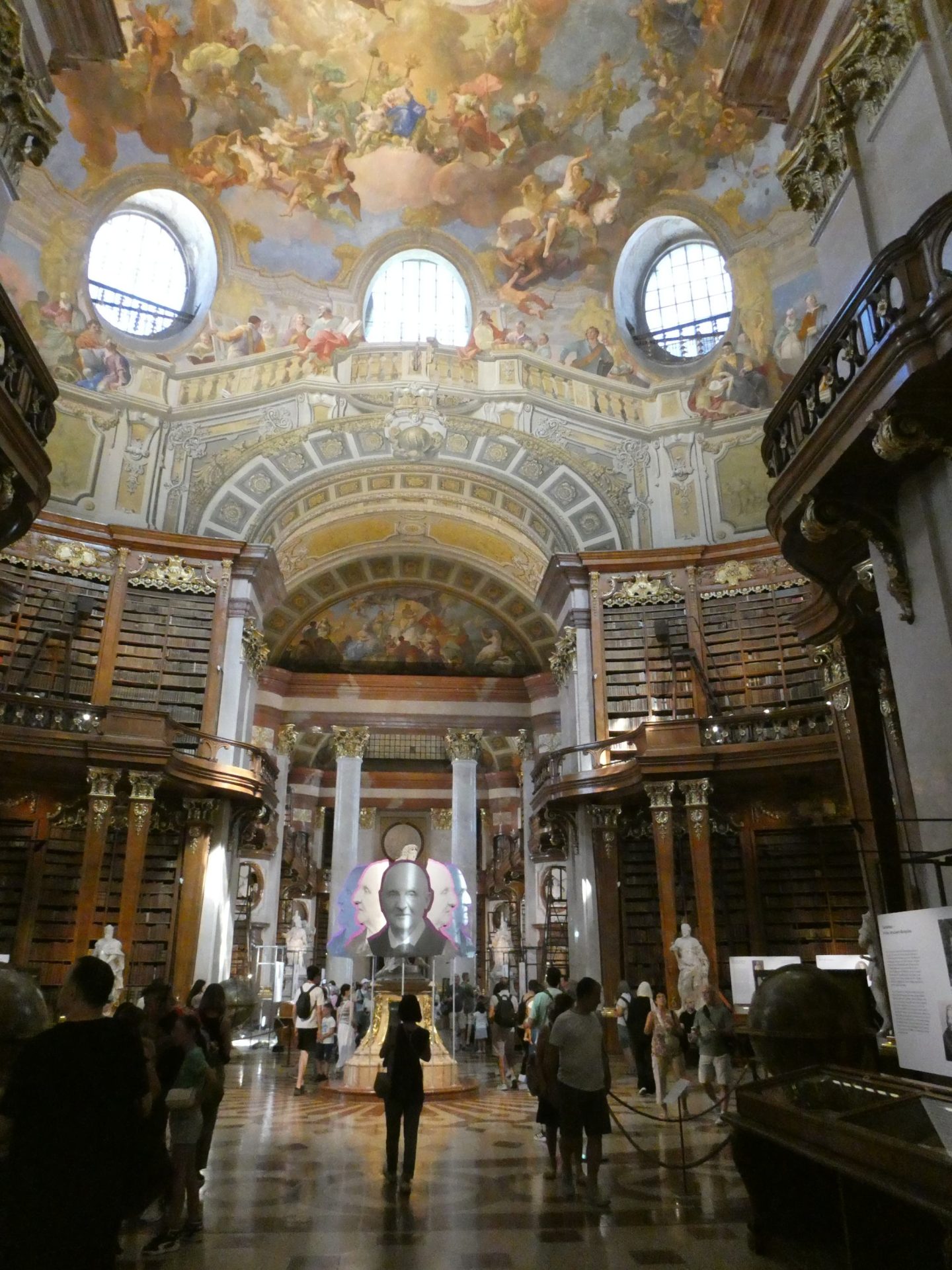
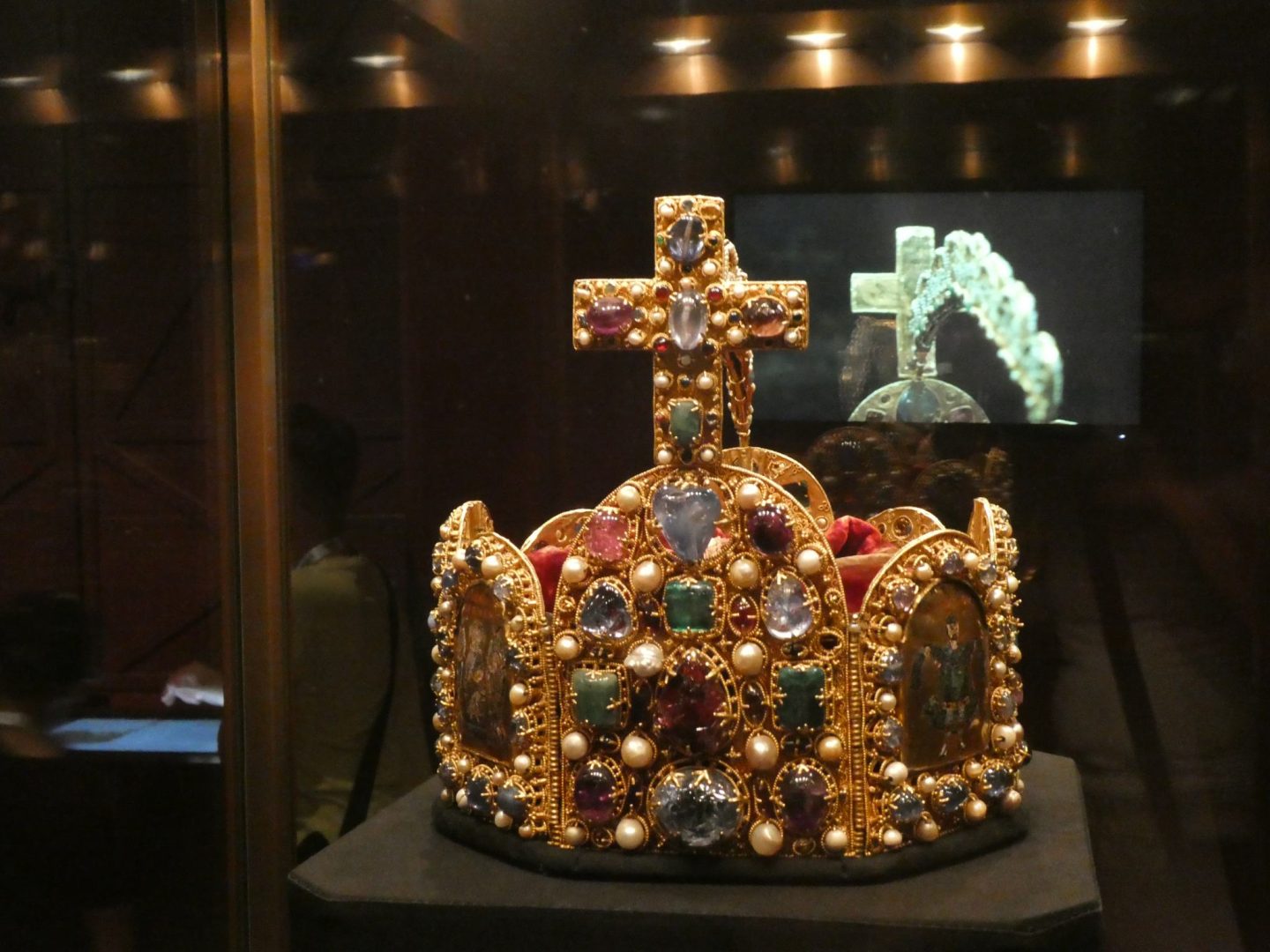
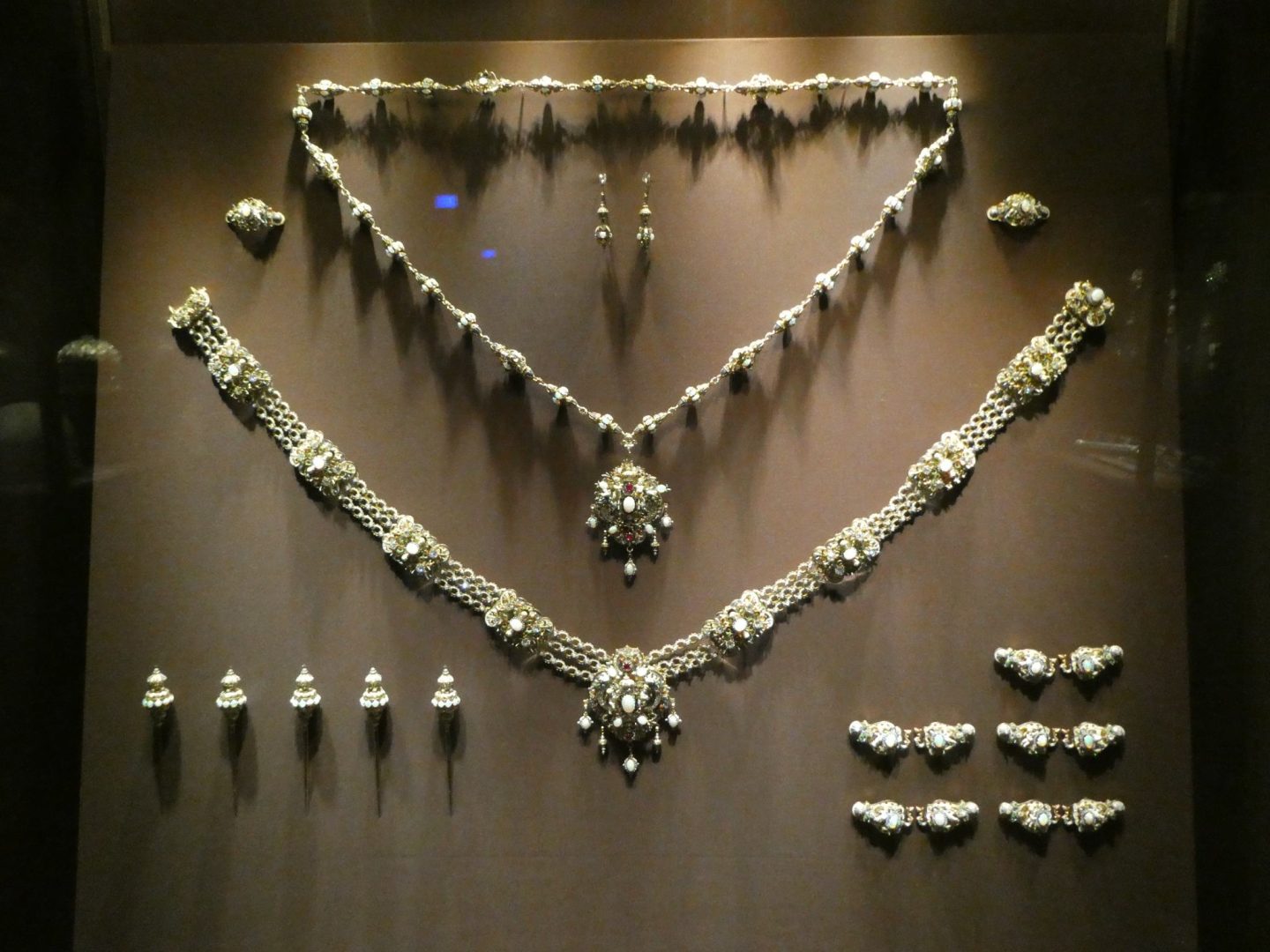
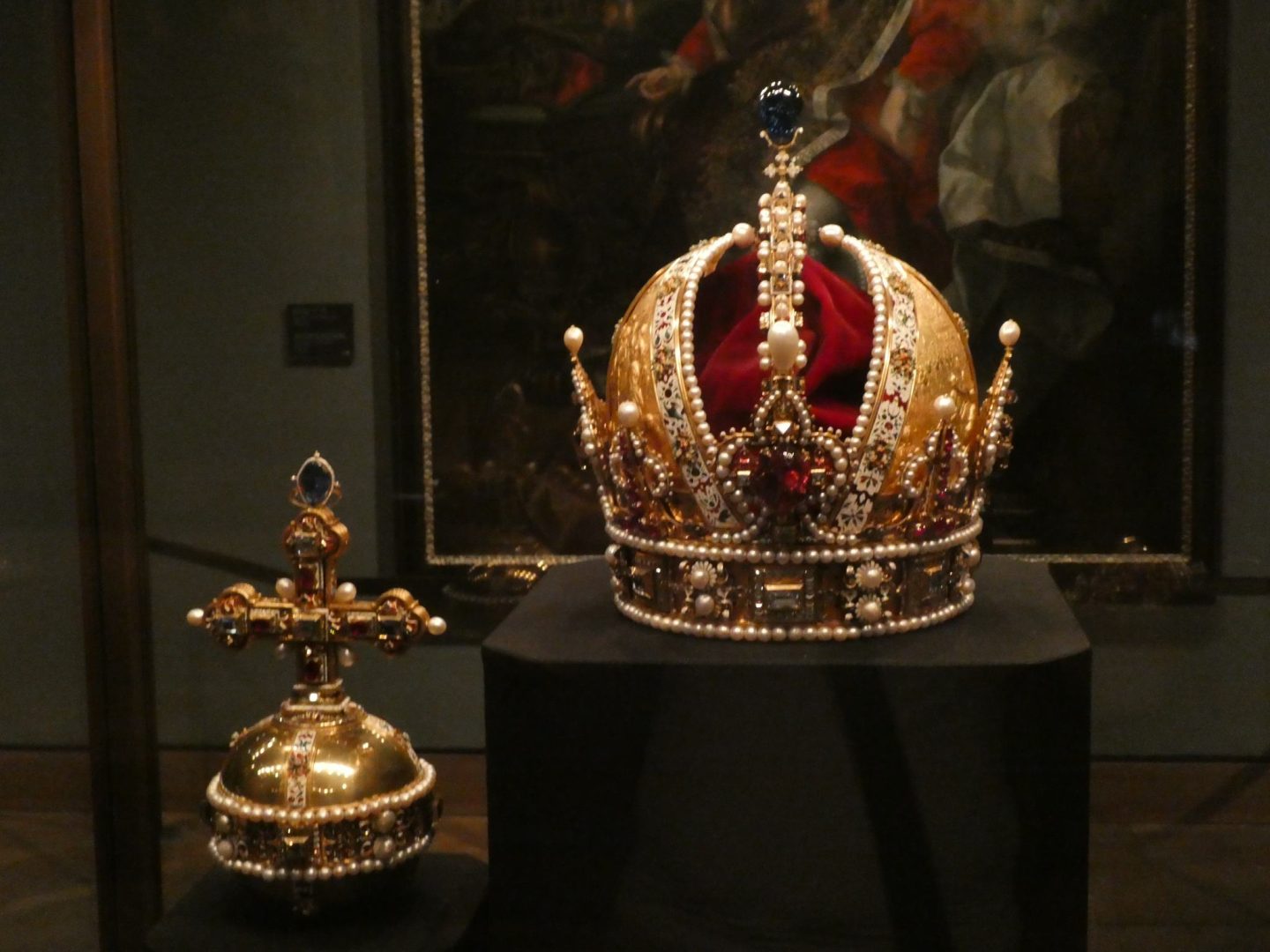
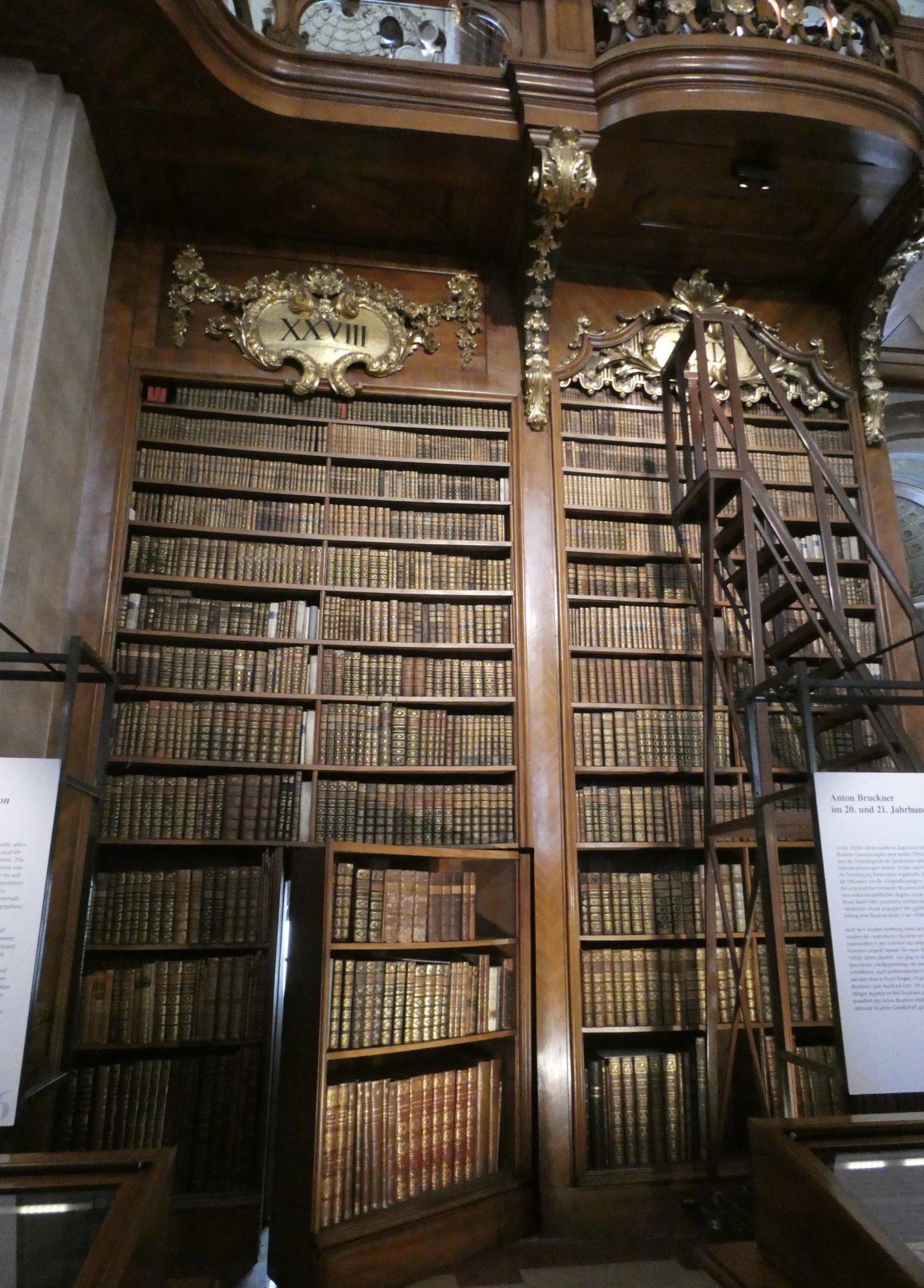 And the Imperial Treasury for the bling.
 Julie couldn’t resist a visit to the Imperial Crypt. Beginning in 1633, the crypt beneath the Capuchin Church was the principal place of entombment for members of the House of Habsburg. Twelve emperors, eighteen empresses and more than 100 other royals are interred here. There’s some seriously freaky stuff down there.

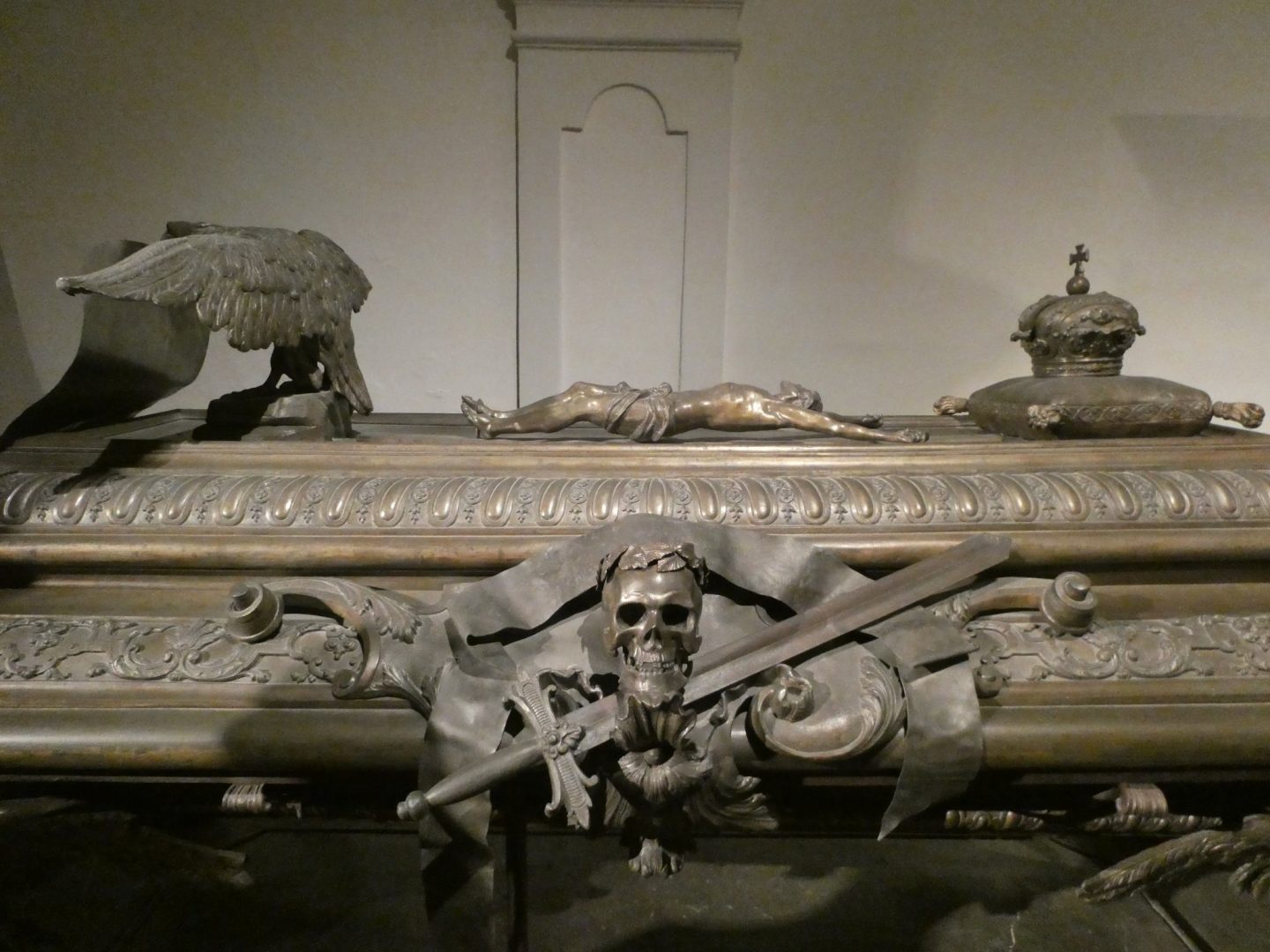
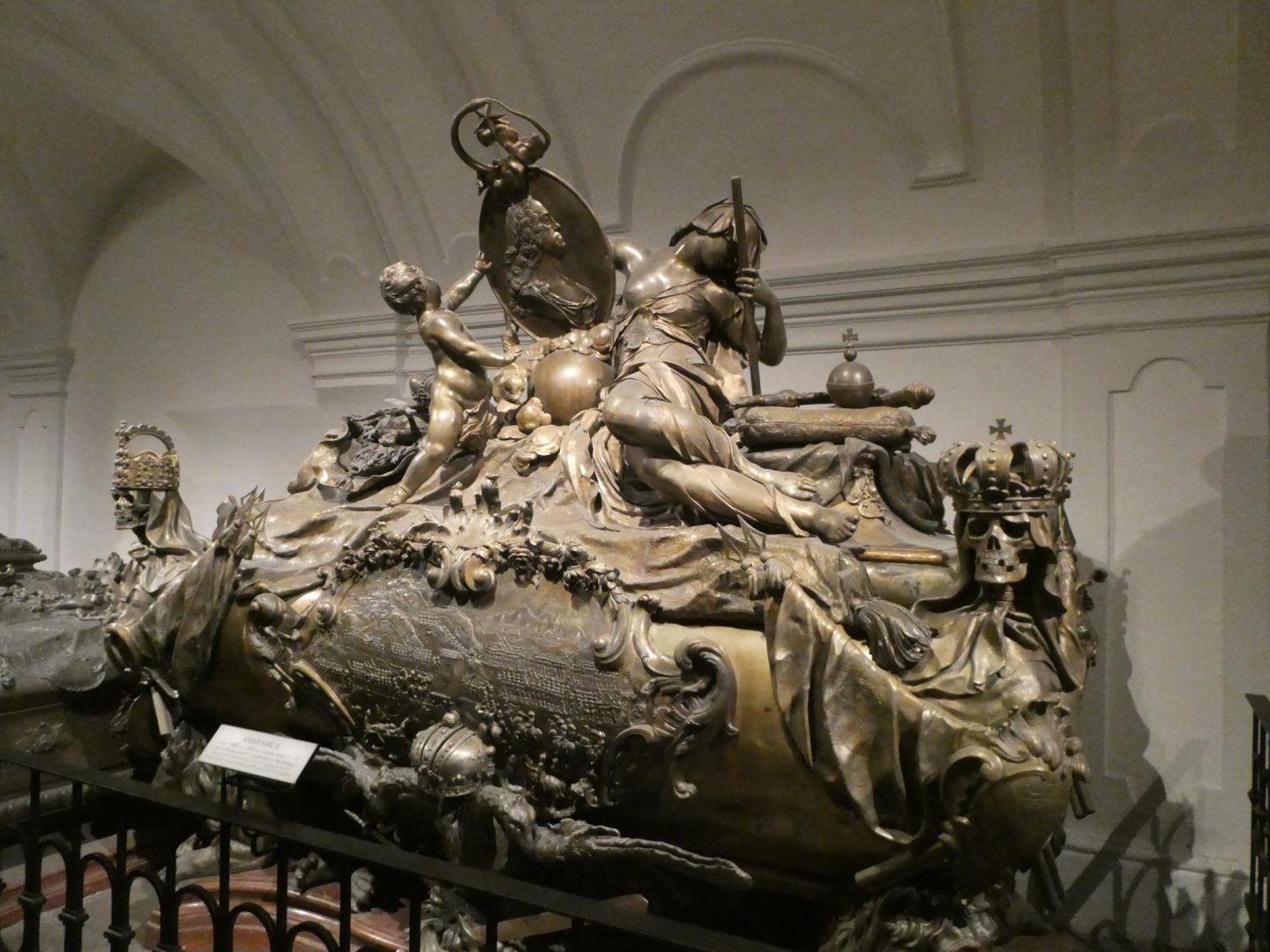
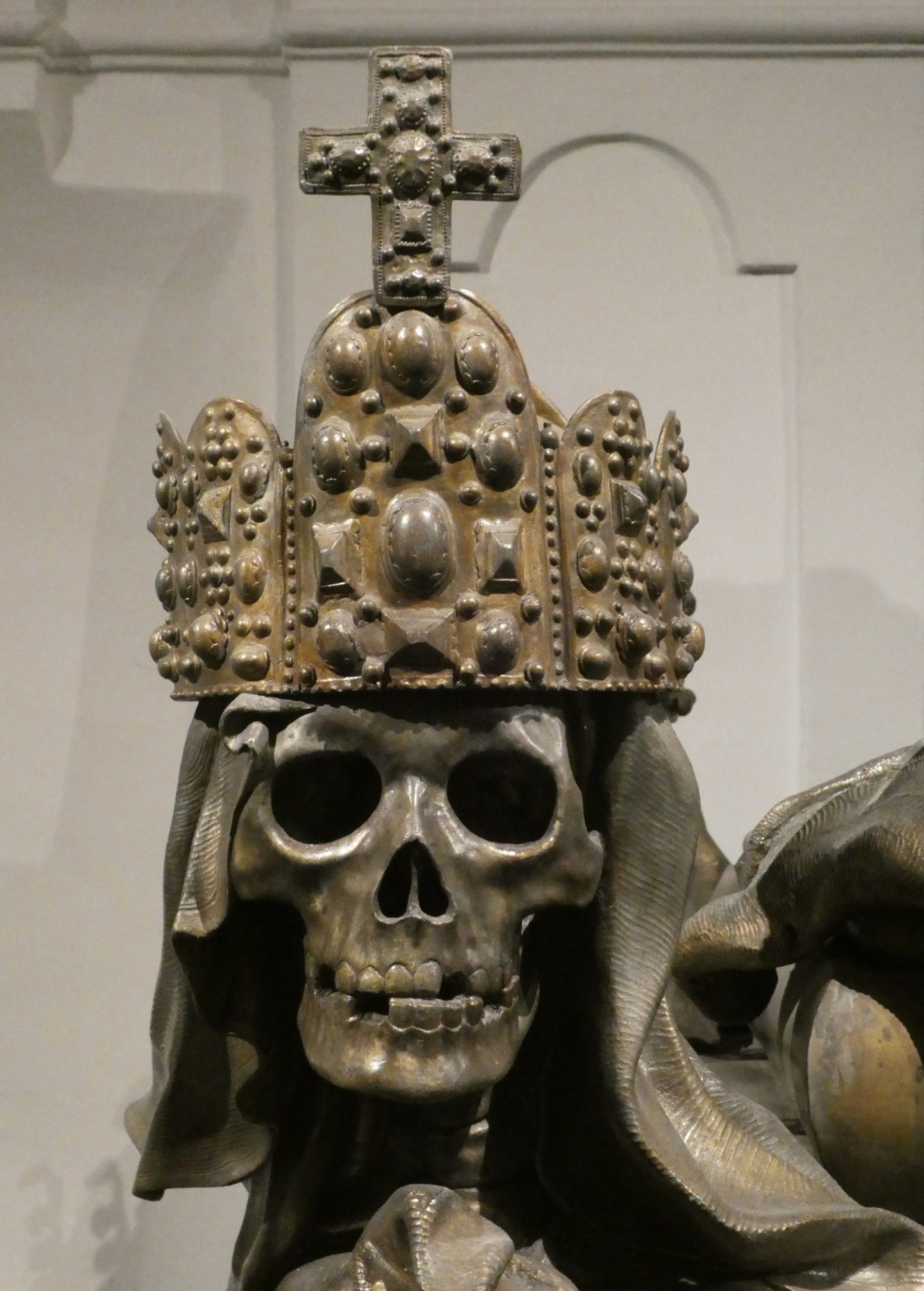

In 1864, Ferdinand Maximilian, brother of Franz Joseph, was crowned Emperor of Mexico. Just three years later, his not-so-loyal subjects ended the monarchy and Maximilan’s life when he was executed by firing squad during a revolution. It therefore seems ironic that Mexicans visiting Vienna regularly leave notes and gifts at his sarcophagus.

If you’re an art lover, you could spend weeks here and not visit all the art museums. If you’re not, you need to be selective. In a city with an artistic history stretching over centuries, the artist perhaps most associated with Vienna is Gustav Klimt.
In 1993 Julie risked arrest helping a friend scale the wall of one of Vienna’s cemeteries to find Klimt’s grave when they arrived to find it closed. Older and wiser now, we limited ourselves to a visit to the Upper Belvedere which has a collection of his work, including his most famous one, The Kiss.
Not as crowded as the Mona Lisa room at the Louvre, but you won’t get a quiet moment to yourself to admire it.

To be honest, Franz Messerschmidt’s ‘Character Heads’ were more compelling.

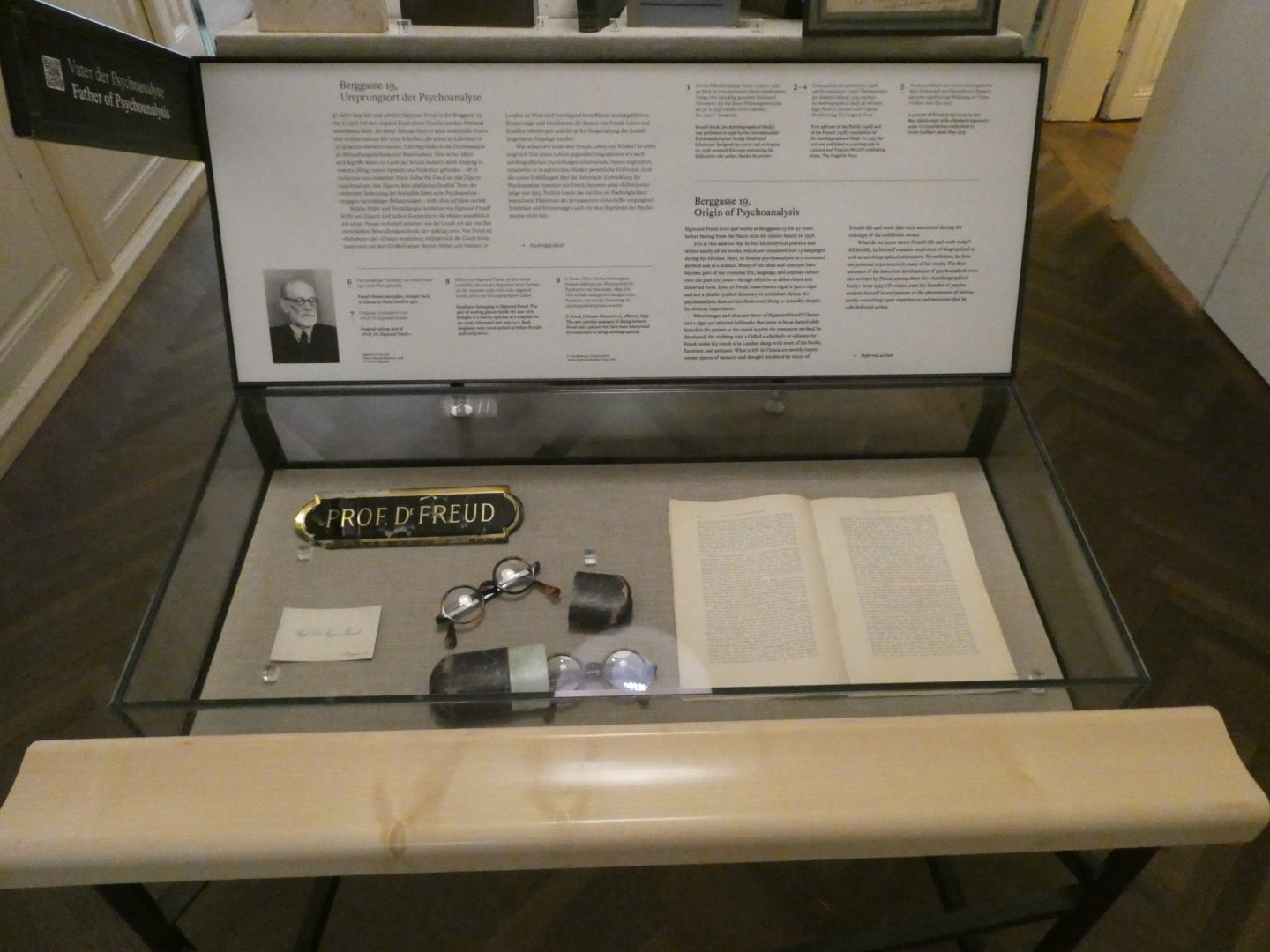
The house where Sigmund Freud lived and worked for 47 years is now a museum. Here he founded psychotherapy as a treatment method and wrote most of his work. Freud was Jewish and as the Nazi threat enveloped Austria in 1938 he was able to use his connections to get visas for himself and many family members to flee to England. He was unable to get visas for his younger sisters. One died in a Jewish ghetto and the other three in the concentration camps.
Freud continued his practice in England but died of cancer in 1939. He had taken most of his belongings with him but in 1970 his daughter Anna, herself a renowned psychotherapist, donated one of his famous couches and some of her father’s other personal items to the museum.

Having read everything the info boards had to say about his theories, we’re still not convinced he was any less nuts than his patients. But we were relieved to read that “even to Freud, sometimes a cigar is just a cigar and not a phallic symbol”.
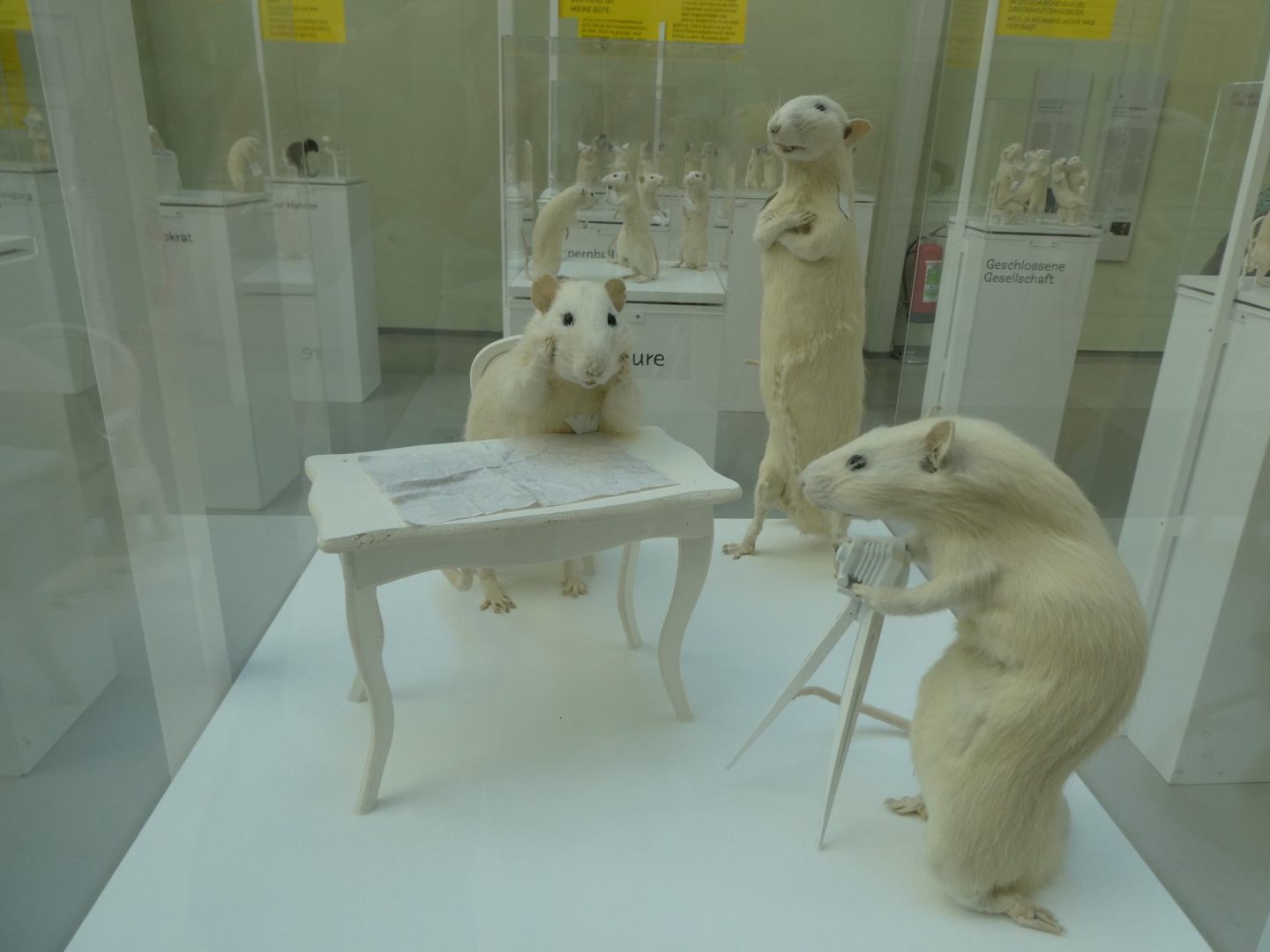
Speaking of eccentricity, in 1915 Viennese writer Karl Kraus published a bizarre, 220 scene play titled The Last Days of Mankind, a ‘satirical indictment of the glorification of war’ as WWI brought the Austro-Hungarian Empire undone.
In 2014, for the 100th anniversary of the outbreak of the war, Deborah Sengl took 40 scenes from the play and depicted them with taxidermied rats. Apparently this lends a timeless and universal quality to the play’s message.
On the 10th anniversary of her project, they are on display again, at the Jewish Museum. The English translations accompanying the rats were very, very strange. We weren’t sure what to make of it all. Except perhaps, that that’s a lot of dead rats. Here’s a few of them.


Another eccentric local was visual artist and architect, Freidrich Stowasser, better known by his chosen pseudonym, Friedensreich Hundertwasser which literally translates as ‘Peace-realm Hundred-water’.
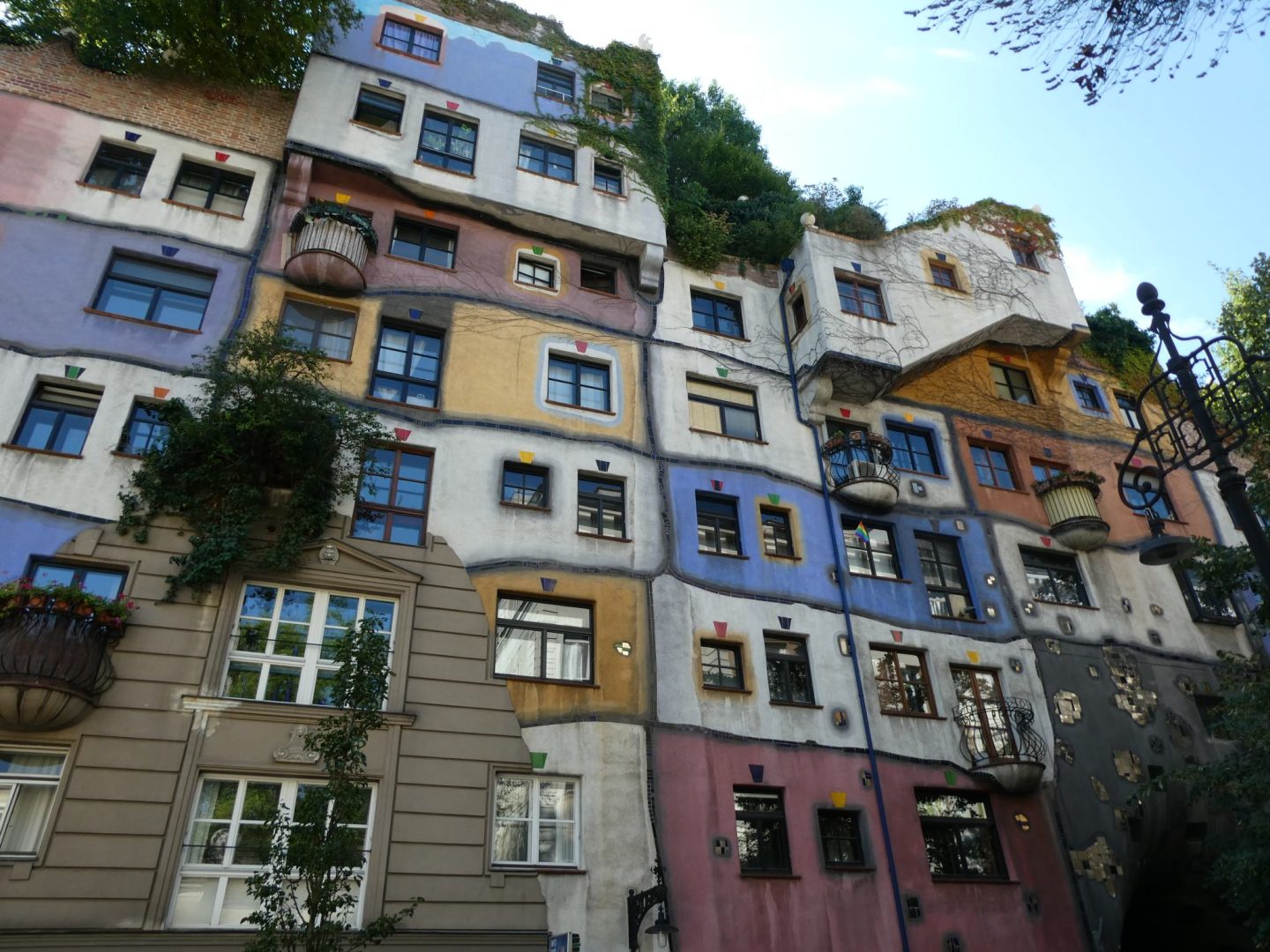
We saw some of his art in digital form in an immersive exhibition in Paris in 2018. Vienna is home to his famous Hundertwasserhaus, an apartment building he designed and built for free to “prevent something ugly going up”.
It’s certainly whimsical, with vibrant colours, curved lines, trees on the roof, and plants growing from inside out through the windows. We’re not convinced about the undulating floors, though. Hundertwasser described straight lines as “godless and immoral” and claimed “an uneven floor is a melody to the feet”. More like a trip hazard.

Another eccentric, artist Edwin Lipburger, was denied planning permission to build a spherical house. In protest he took over a corner of the Prater, Vienna’s biggest public park, seceded from Austria and announced the Republic of Kugelmugel. He named his address Antifaschismusplatz and built his spherical house in 1982. He died in 2015, but the house is still there, occasionally open for viewing.

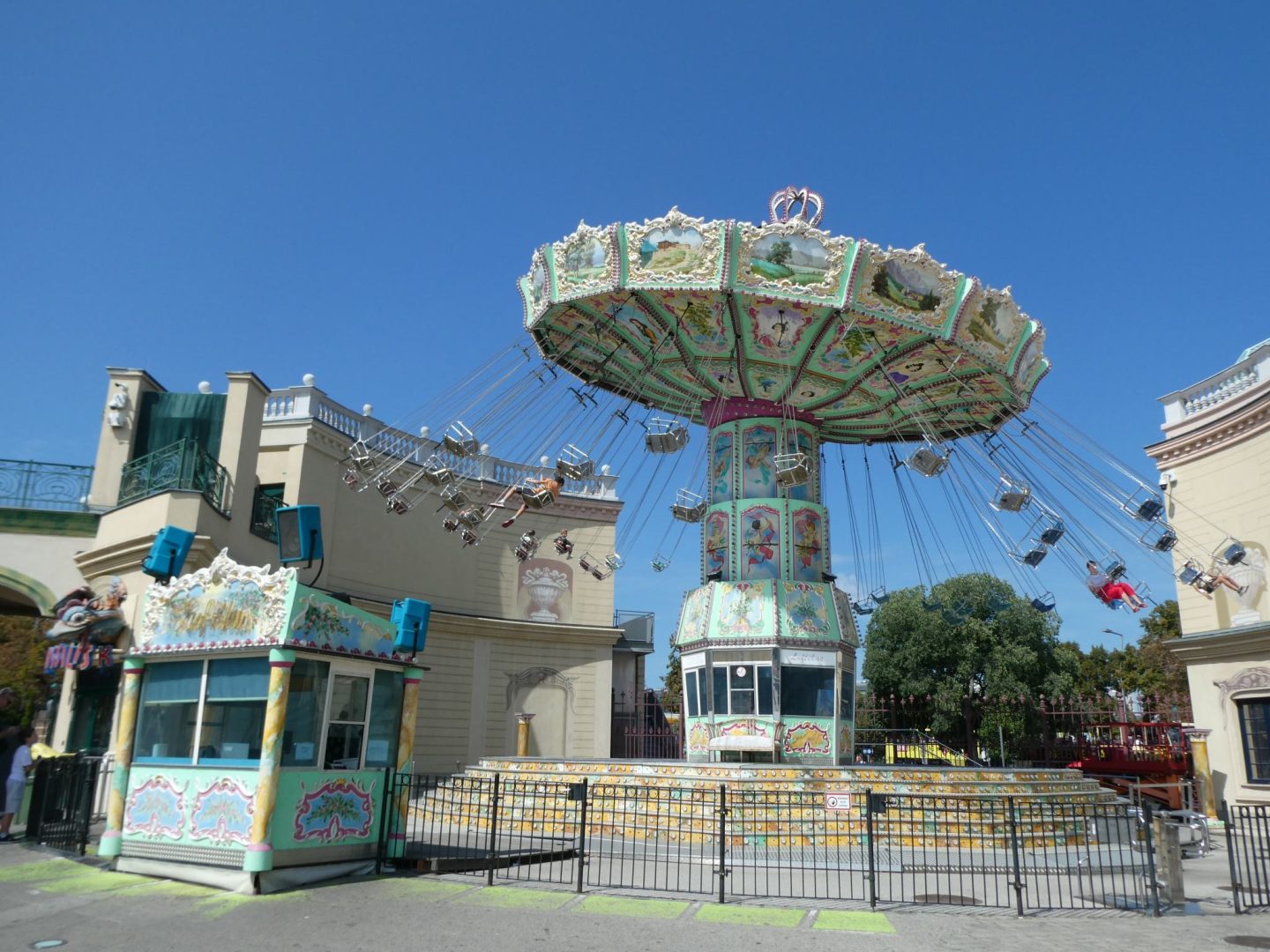
On a public holiday when most of the city is shut, the Prater is a bit of fun. The 1872 World Fair was held here and the site has been a fairground ever since. The iconic Reisenrad Ferris wheel built in 1897 was for years the largest in the world. It featured in Graham Greene’s film noir classic, The Third Man and gets a scene or two in the James Bond film, The Living Daylights.
 And there’s a heap of retro fun park style to be found here as well.


During its centuries as capital of the Hapsburg Empire, the best and brightest musicians were drawn to Vienna where they were sponsored and feted by royals and aristocrats.
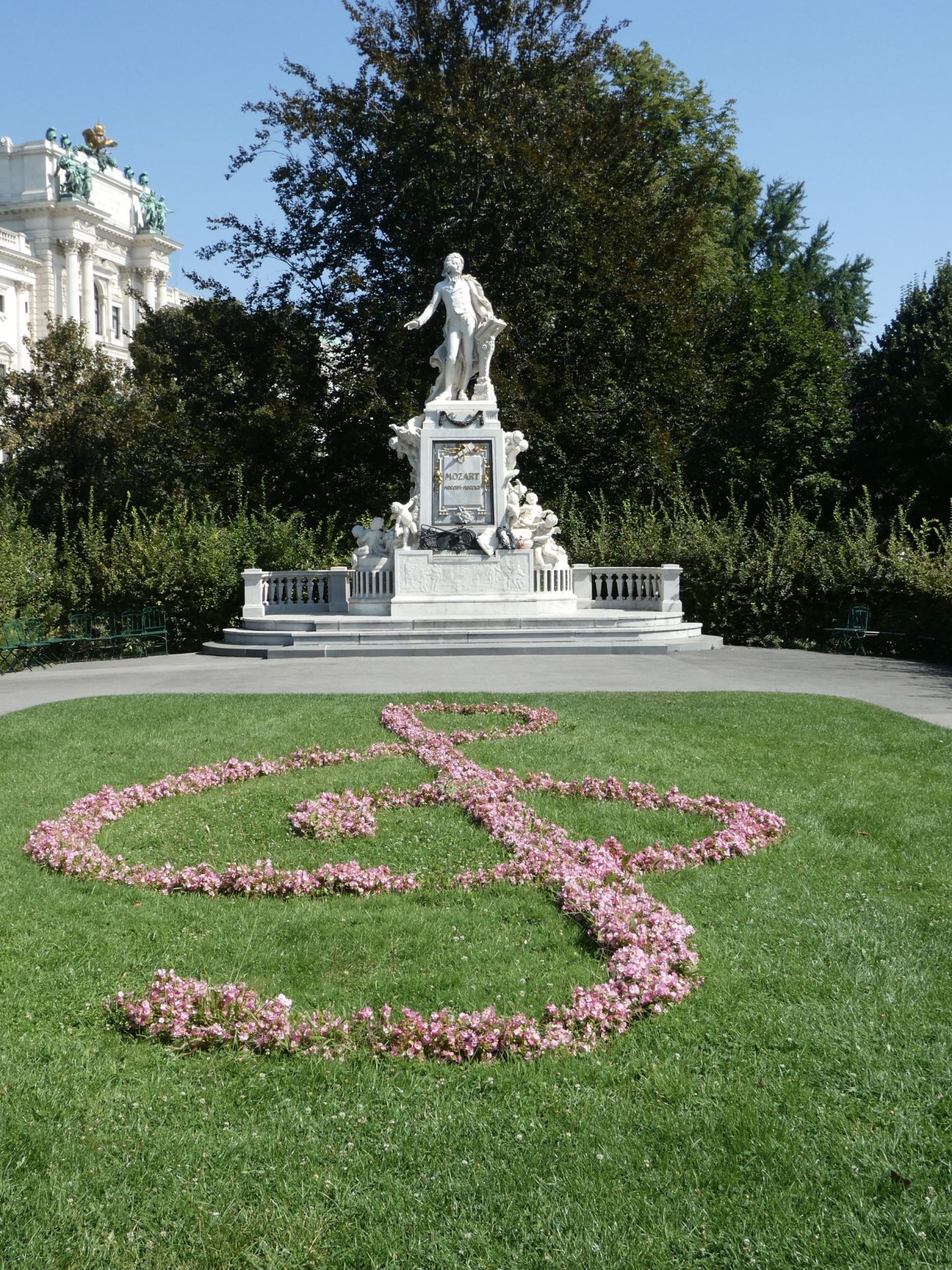
Mozart was hailed as a child prodigy in Vienna, and lived most of his adult life here. It’s where he composed some of his greatest works. Crowds flock to the statue of him in the Burggarten with the floral treble clef in front.
And to the gold clad statue of Johann Strauss in the Stadtpark.

You can catch classical music performances at many venues around town. The Vienna Boys Choir were on their annual summer holiday but we saw a string quartet doing classics in one of the cathedrals. Uncomfortable seating. Great acoustics.
And last but not least, there’s cake. Austrian food isn’t exactly mind blowing. There’s a limit to the number of servings of Wiener schnitzel (crumbed veal) and tafelspitz (a slab of beef and vegetables boiled in a thin broth) a person needs. That number, by the way, is one. But cake is a different proposition.
When in Vienna, it’s standard practice to try the famous Sacher torte.
Franz Sacher invented it in 1832 while a 16 year old apprentice baker in the Imperial household kitchen. In 1876, his son, Eduard opened the luxury Hotel Sacher and it became a wildly popular signature dessert.
After the death of Eduard and his wife, the hotel was sold. Their son, also named Eduard began working at Demel, an upmarket cake and pastry shop. He brought with him, he claimed, sole distribution rights to the Sacher torte.
Things got nasty. Litigation between the owners of the Sacher Hotel and Demel raged for over 20 years and included disputes about use of the name ‘Sacher torte’, the number of layers of jam and the use of margarine versus butter.
Eventually in 1963, the parties reached an out of court settlement. Only the Sacher Hotel can call its product ‘the original Sacher torte’ and Cafe Demel may call its version ‘the Eduard Sacher torte’.
It’s two layers of chocolate sponge cake with apricot jam between them and a rich chocolate icing over the top and sides. Probably a great luxury in the 1800s but relatively plain in today’s world of increasingly elaborate cakes.
Sacher claims its torte is superior because of its icing, a combination of three types of chocolate, sourced from different suppliers to maintain secrecy, unchanged for a century. It also has an extra layer of apricot jam, beneath the chocolate icing.
So how do they compare?
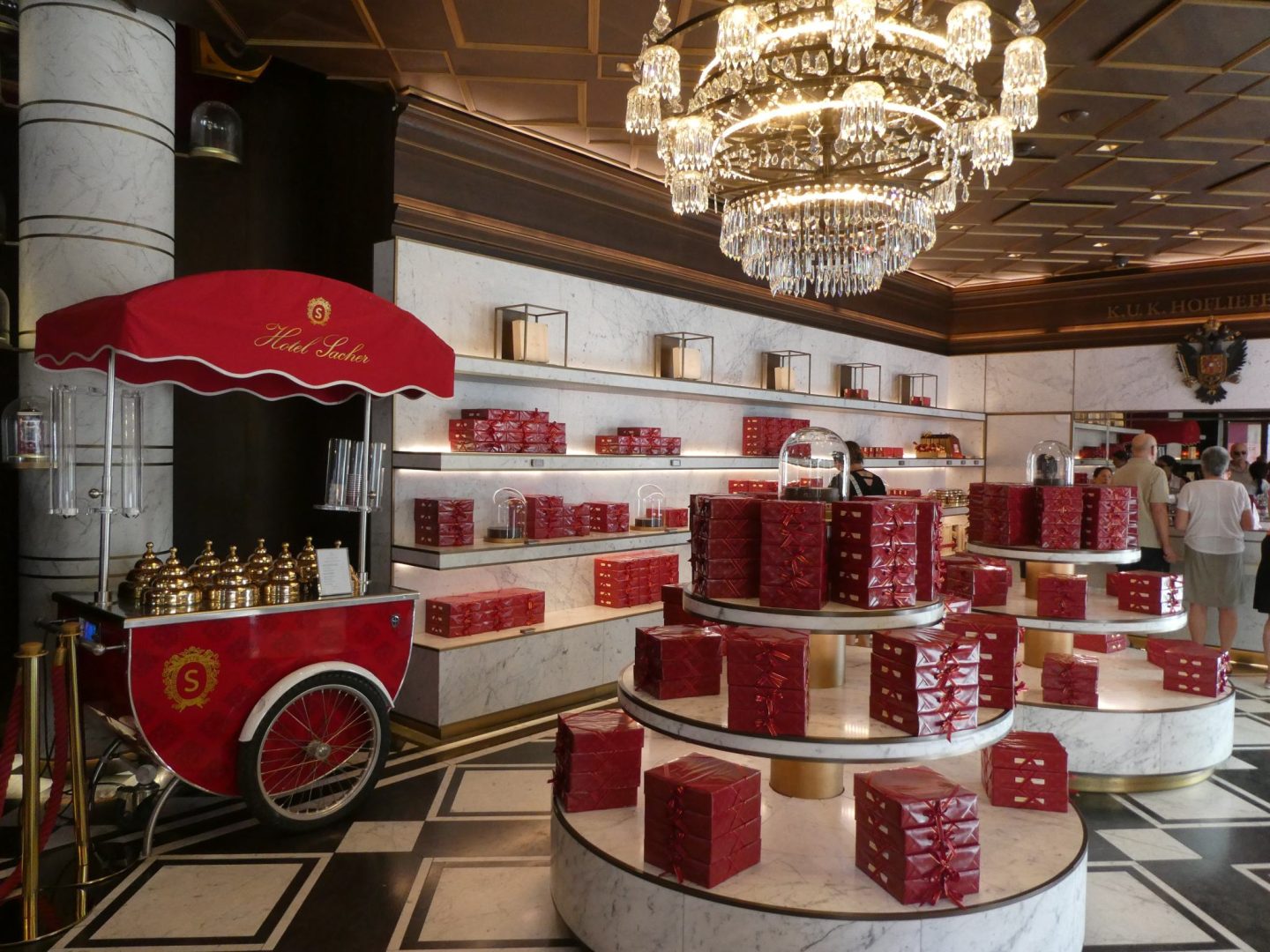
The Sacher Hotel is elegant and has a shop selling exquisitely boxed original Sacher torte to go.
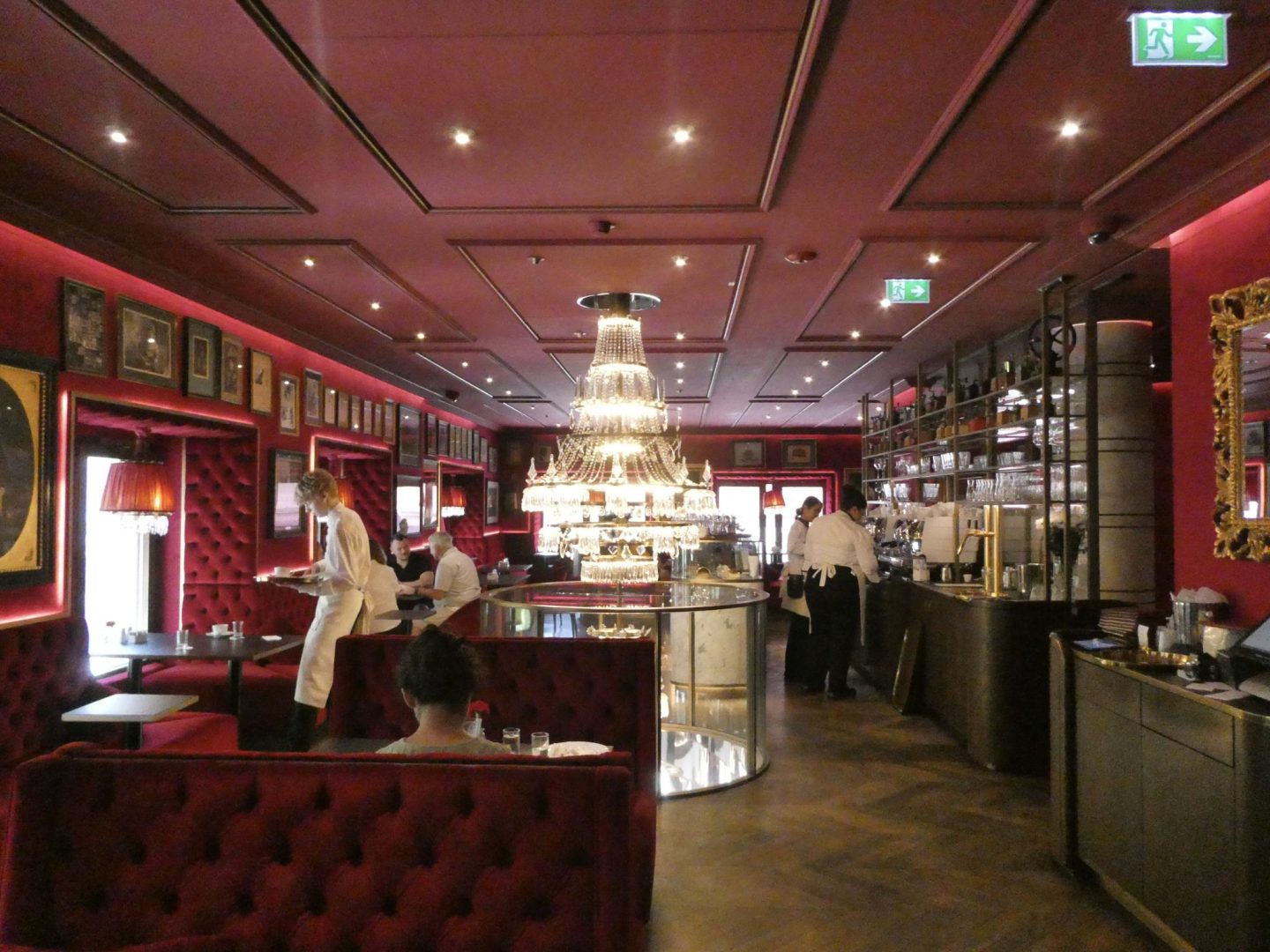
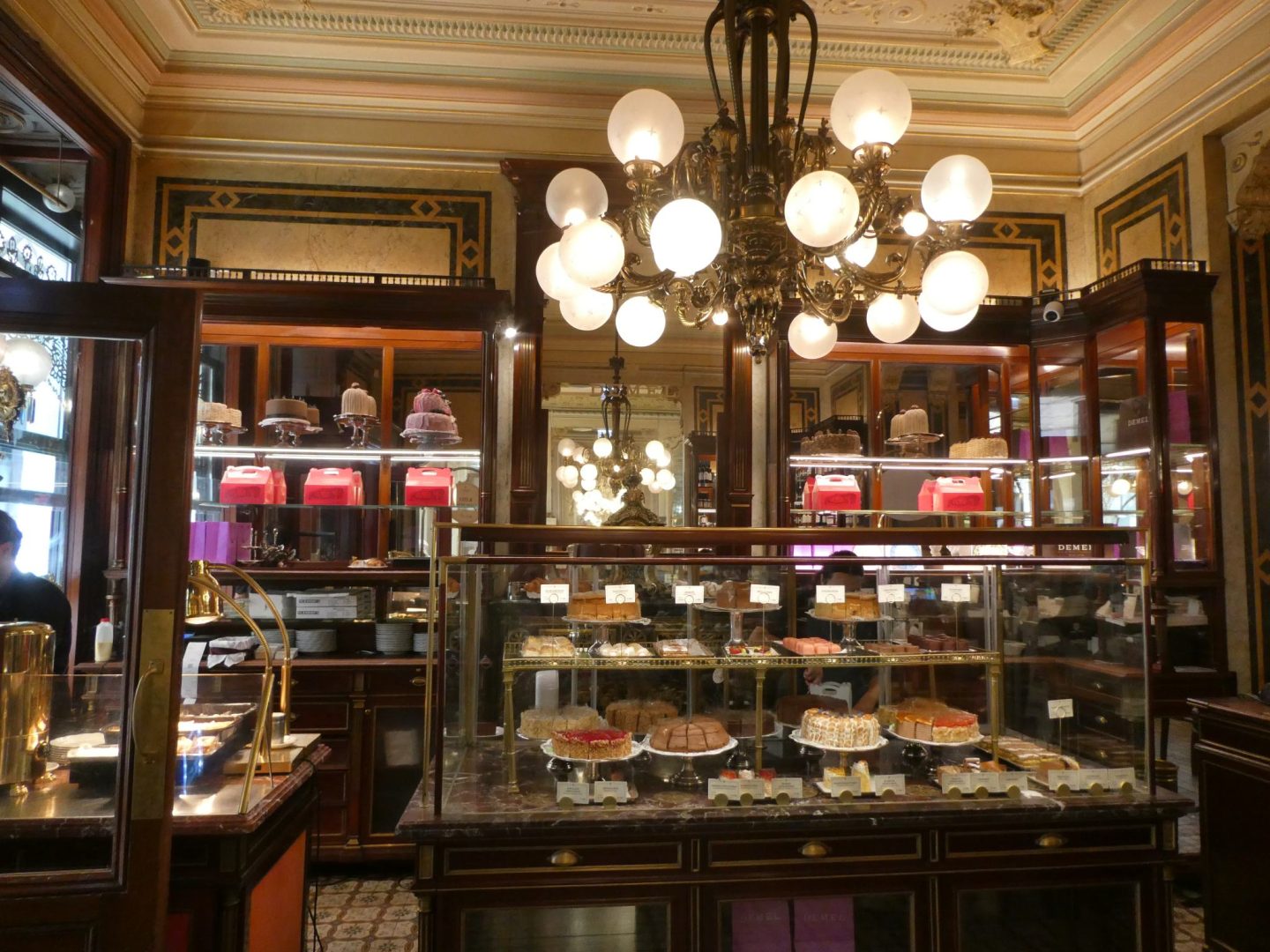
Demel is elegant too, and its beautiful cake shop has a much broader range if you want something other than Sacher torte.

 Demel has a really cute mascot.

And the torte? We both thought Demel did it better. More apricot flavour despite the Sacher apparently having the extra jam layer, and although Sacher says its chocolate icing is superior, we preferred the texture of the Demel version.

At the Sacher we overheard another tourist saying she was ‘working out what it cost in Aussie dollars’. Better not to. At either establishment, it’s around 45 euros ($AUS75.00) for two slices of torte and two coffees plus tip. It’s about the experience not the cake.

Not bring a fan of all the gold & glitz of the Schonbrunn Palace, like Julie , I found the objects in the Imperial crypt much more interesting. The characters heads & the rats were a great contrast to the opulence of the palace. We attended a concert in the Palace many years ago and enjoyed the trip down memory lane this post brought- thanks Julie & John for taking such time & care with these posts it’s very enjoyable.
A beautiful city. Would be interesting to know more about the rat statues 😀