Fair warning: if you aren’t interested in animals, skip this post, and probably the next several. We’re back in Africa and this time it’s all about the wildlife. First stop, Tanzania.
Arusha National Park is small by comparison to better known Serengeti and Ngorongoro, but there’s a remarkable diversity on offer. The park incorporates Mount Meru, Tanzania’s second highest peak, forest, expansive grasslands, and wetlands which support many species of wading birds.
The park is a great place to search for the black and white colobus monkey. The name comes from a Greek word which translates as ‘maimed’ or ‘docked’, referring to the fact that it has a short stump rather than a true thumb. They favour leafy forest, so we were lucky to get a clear view of several. Gorgeous faces.

Prized for their magnificent black and white mantle and tail, they were hunted to extinction in many parts of east Africa, but thankfully have survived here. They bounce up and down on a branch to achieve height and then leap from tree to tree rather than relying on their arms to swing. In this way they sail up to 15 metres in a single leap and it’s thought the mantle acts like a parachute as they go.

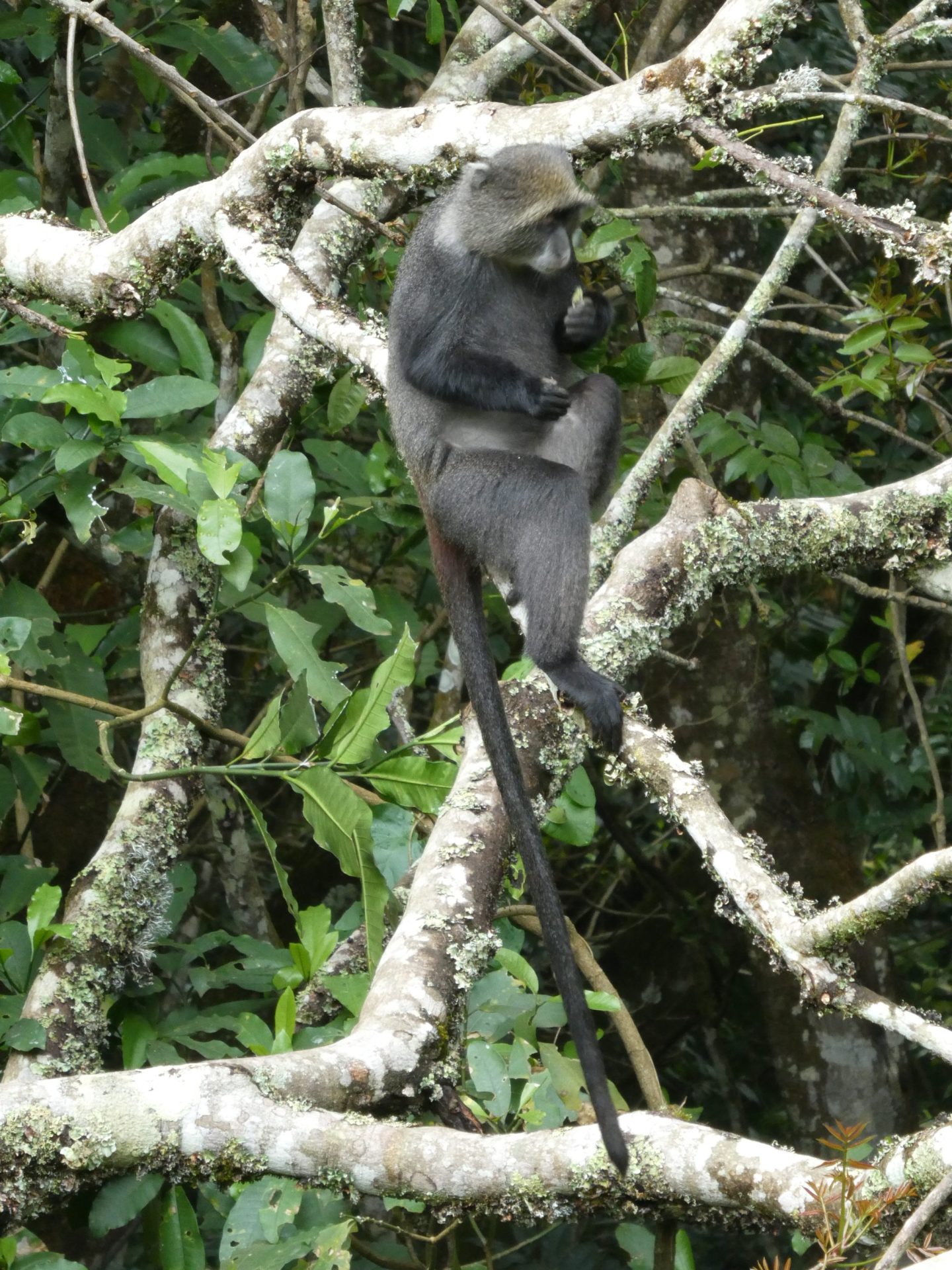
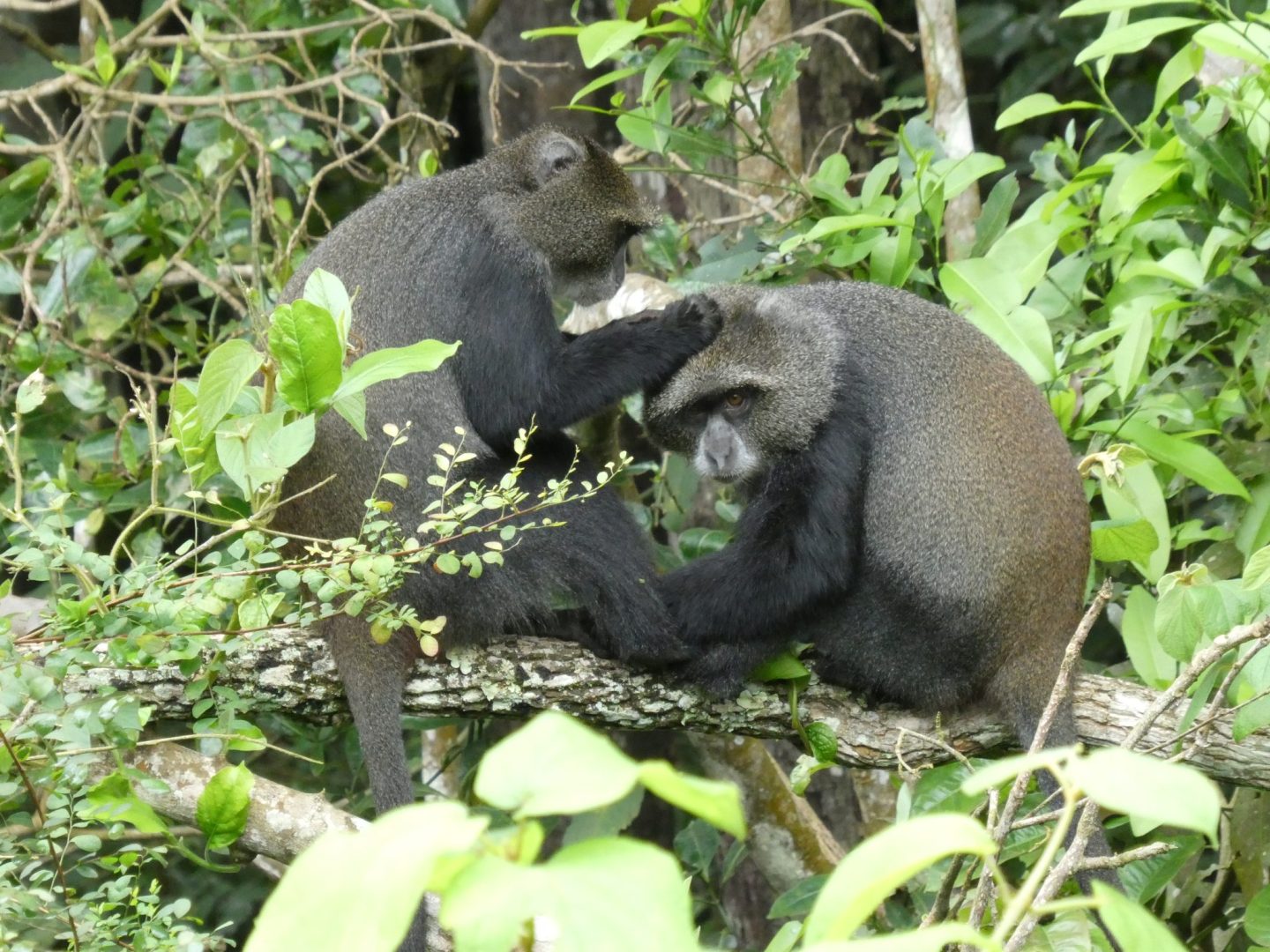
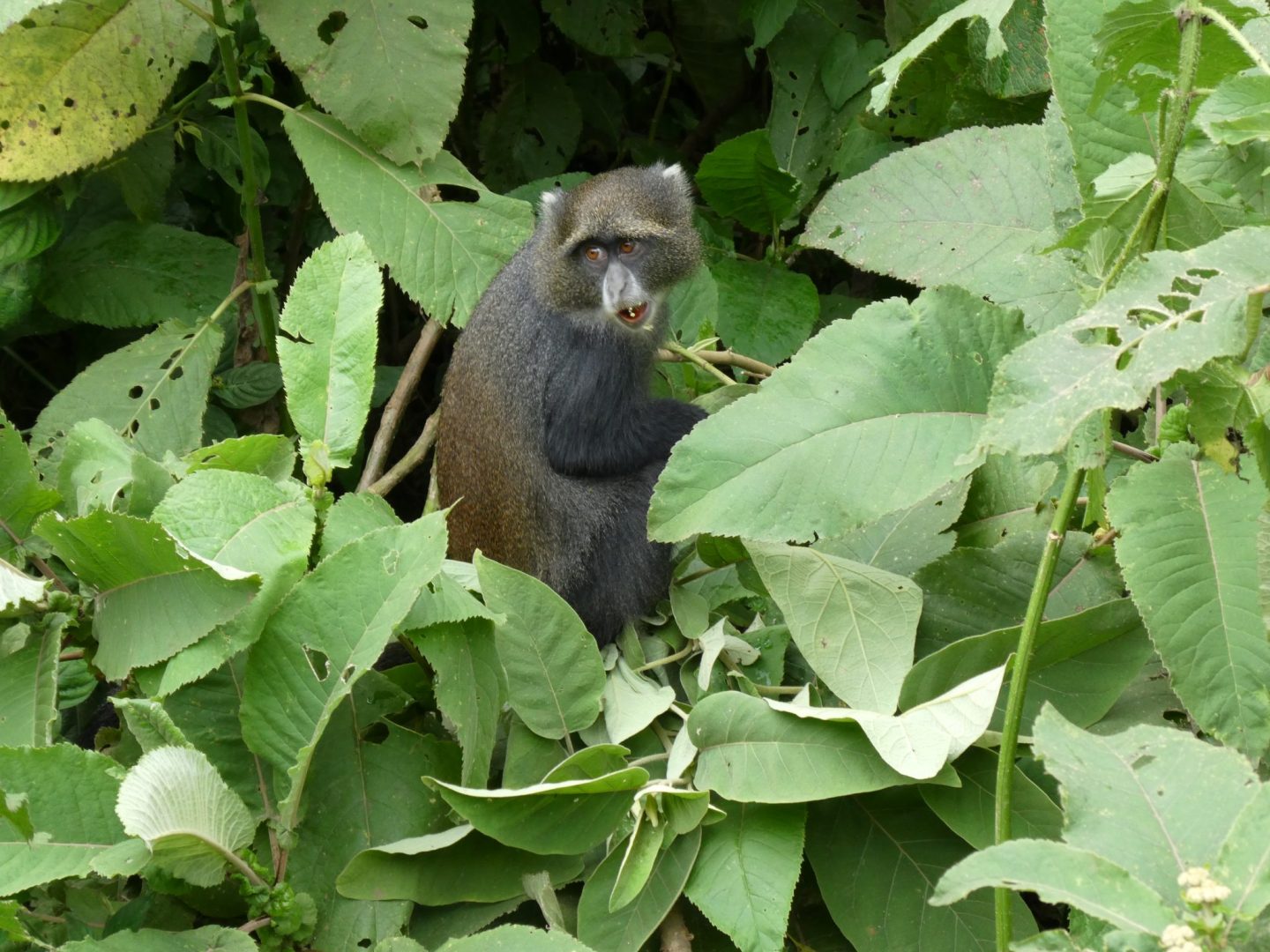
Nearby, blue monkeys – also known as diademed monkeys – were nibbling on seeds, grooming each other and the young ones were playing in the leaves only a few metres from us.
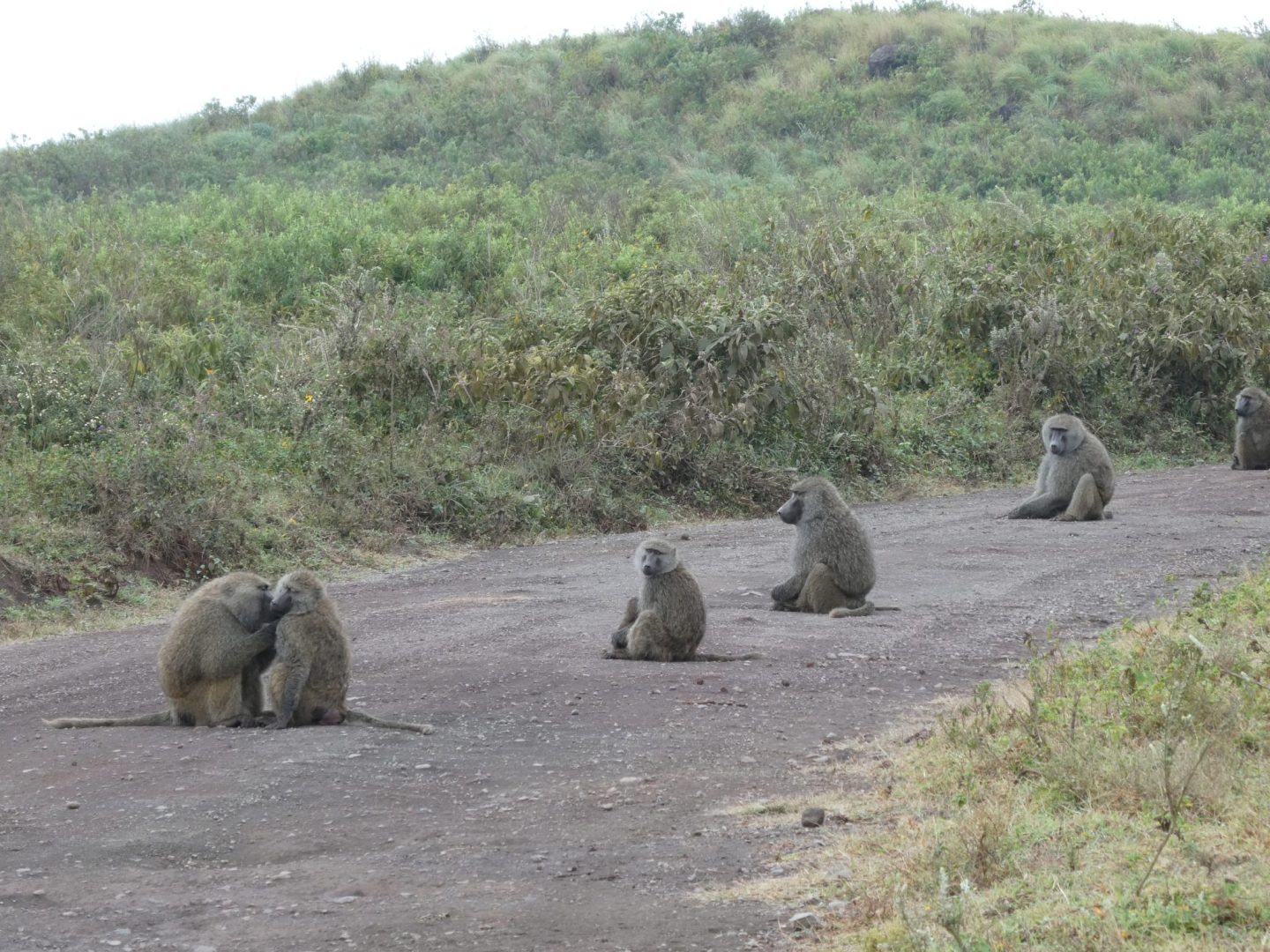
We were pretty excited when we saw our first baboon.
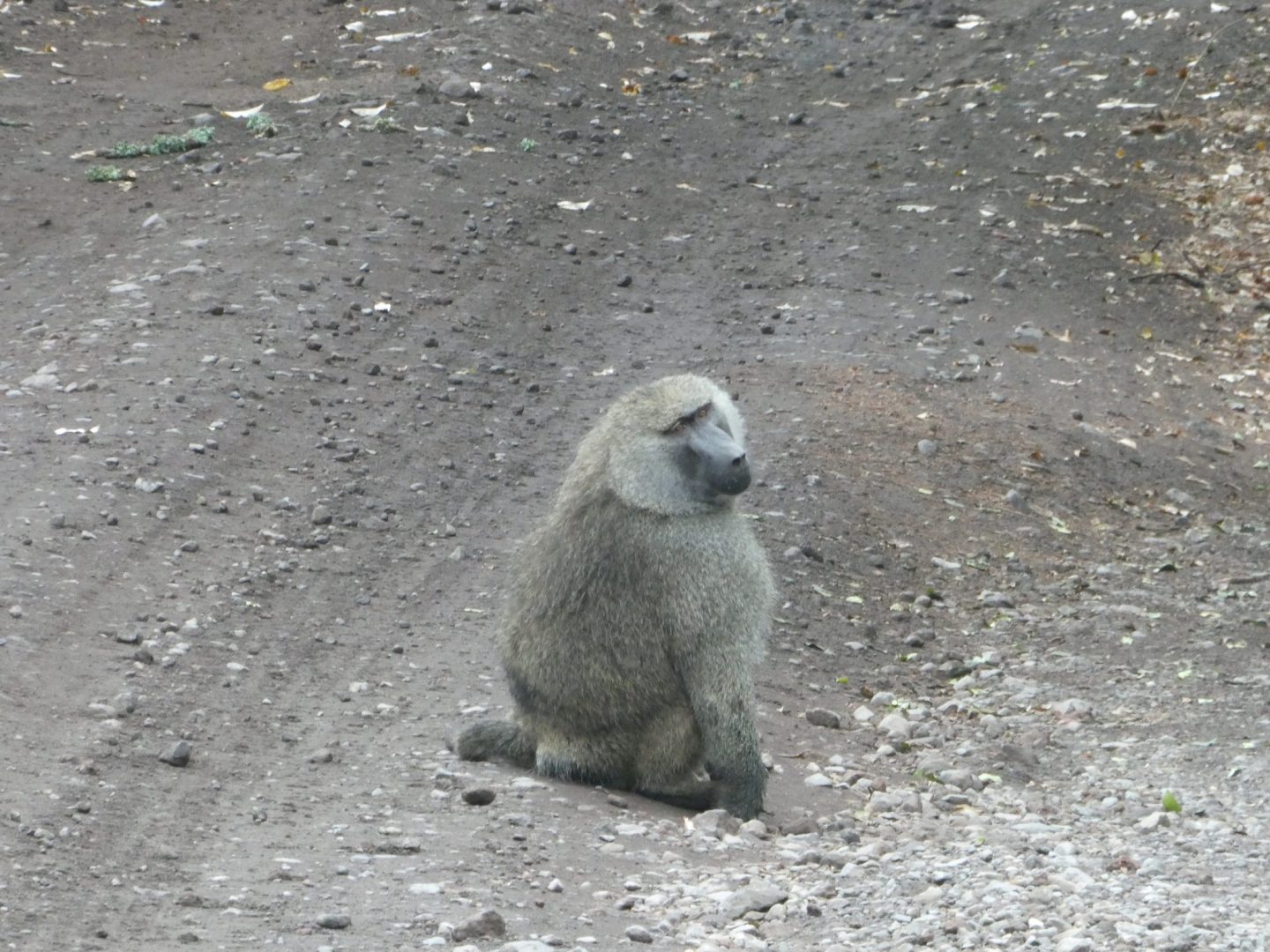
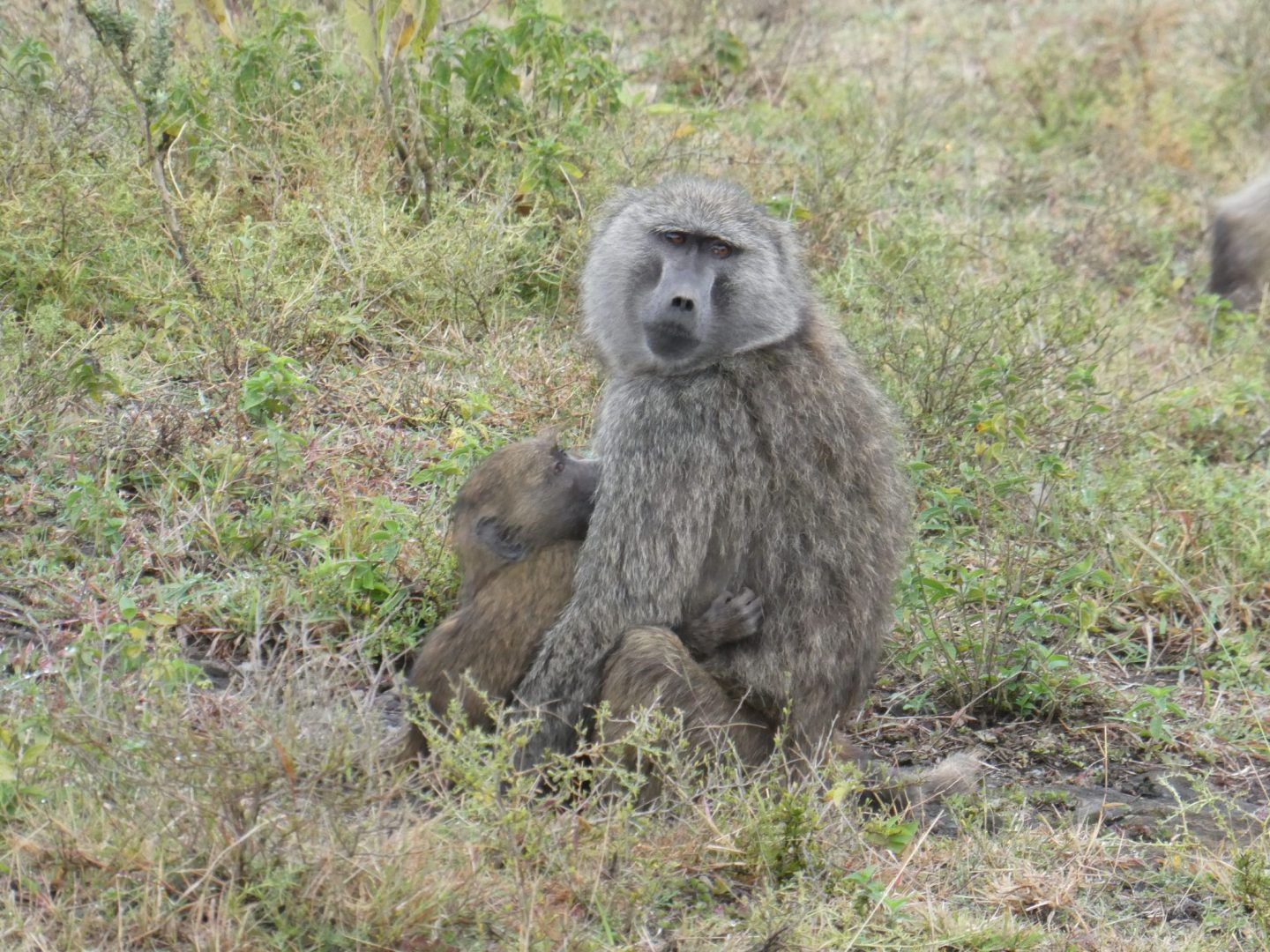
But we soon realised they were everywhere. And they were not at all perturbed by the presence of humans.
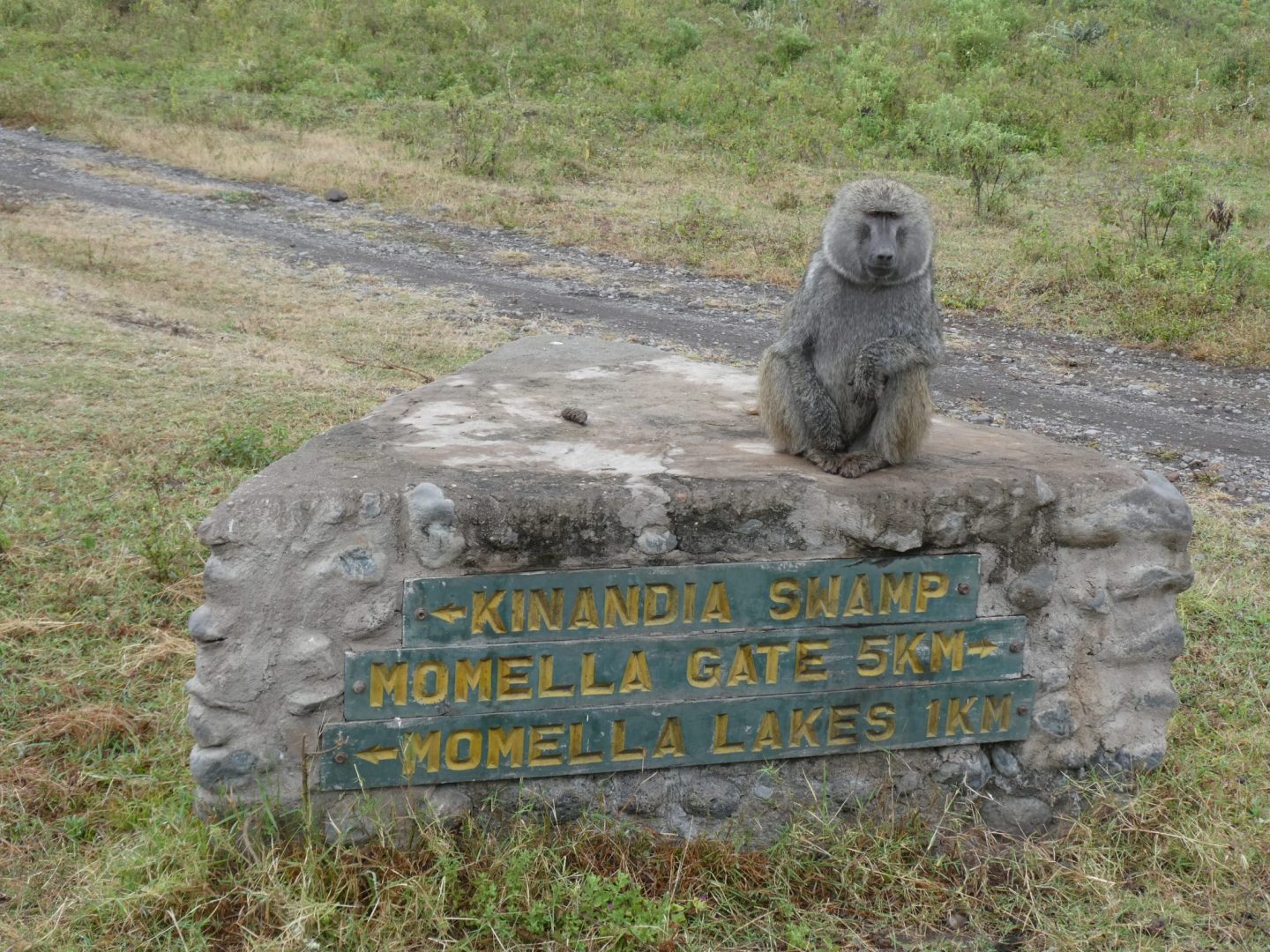
This one looked like he was directing traffic.
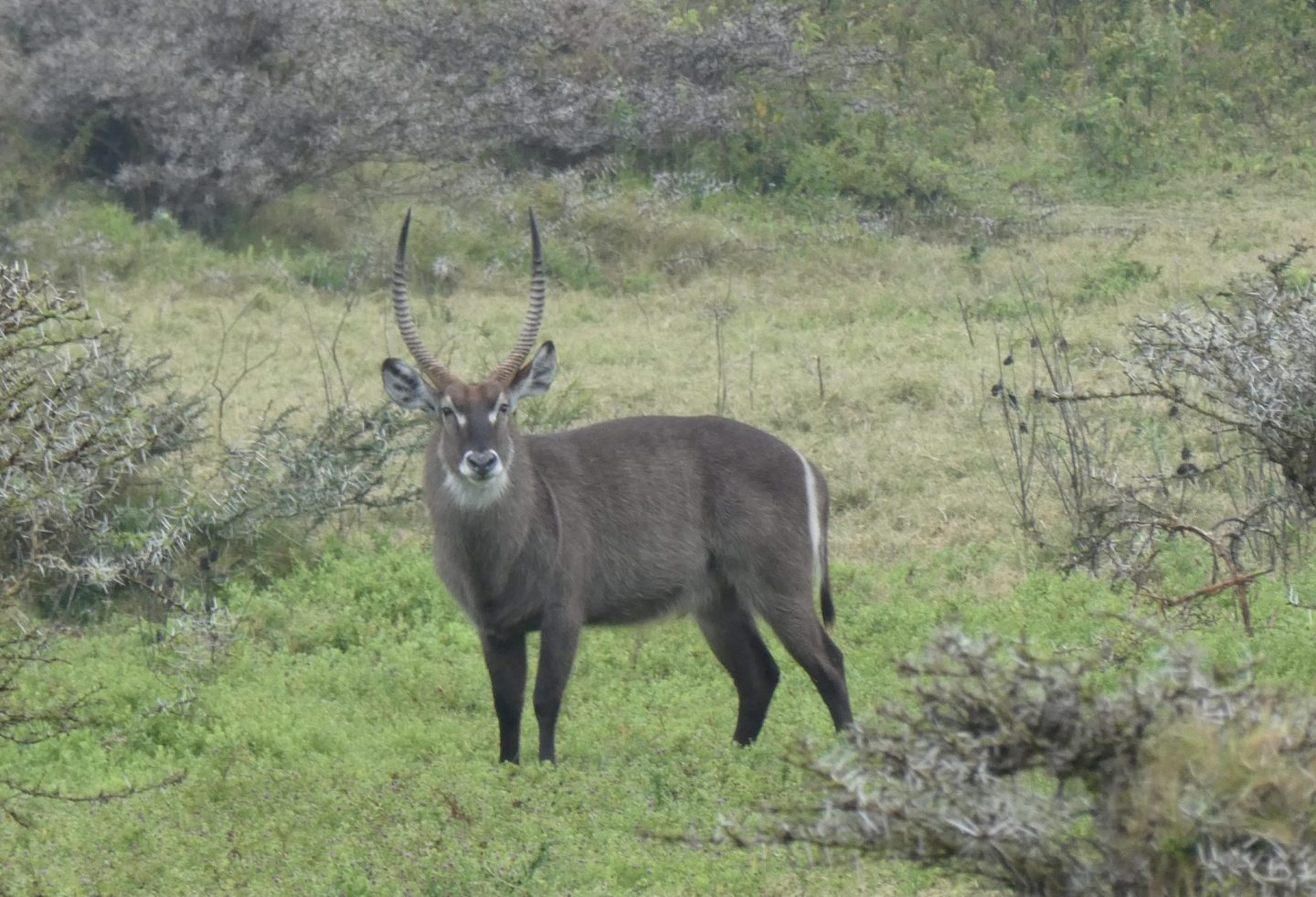
Next up, male and female waterbuck.

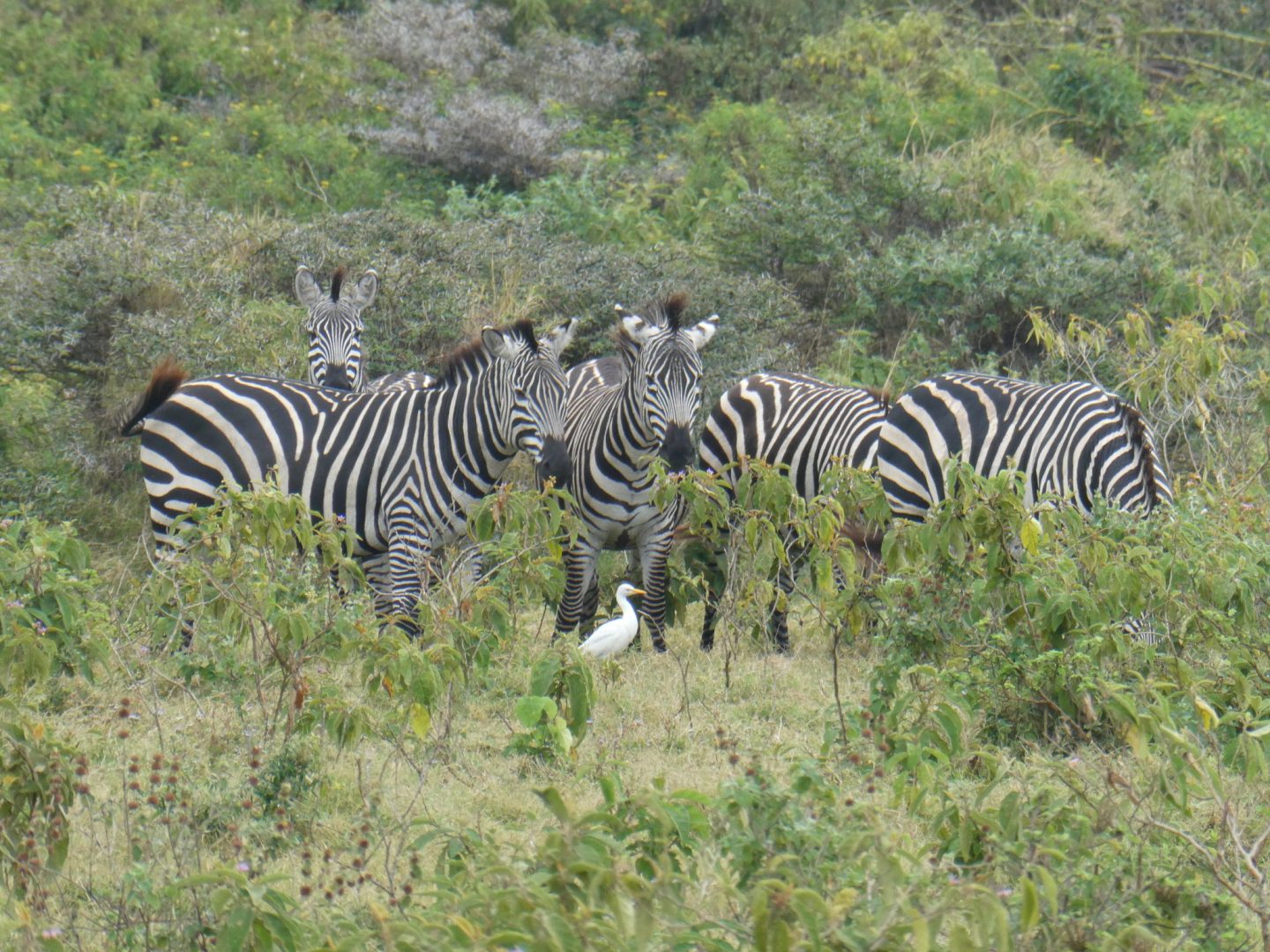
How apt it is that a group of zebras is called a ‘dazzle’.
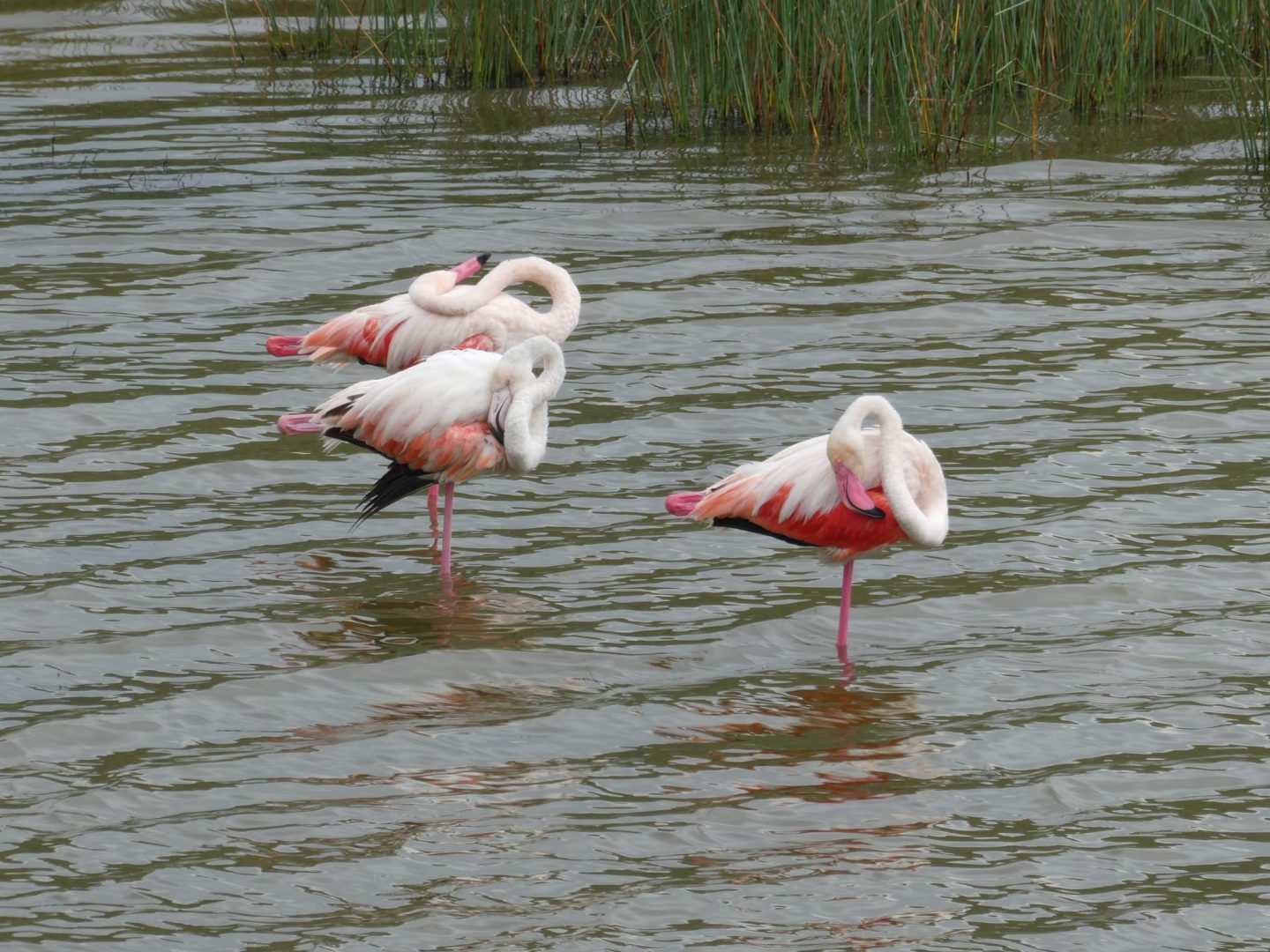
We’ve seen flamingoes in a few places but we never tire of them. And we love that a flock is called a ‘flamboyance’.

It’s amazing how flexible their necks are.
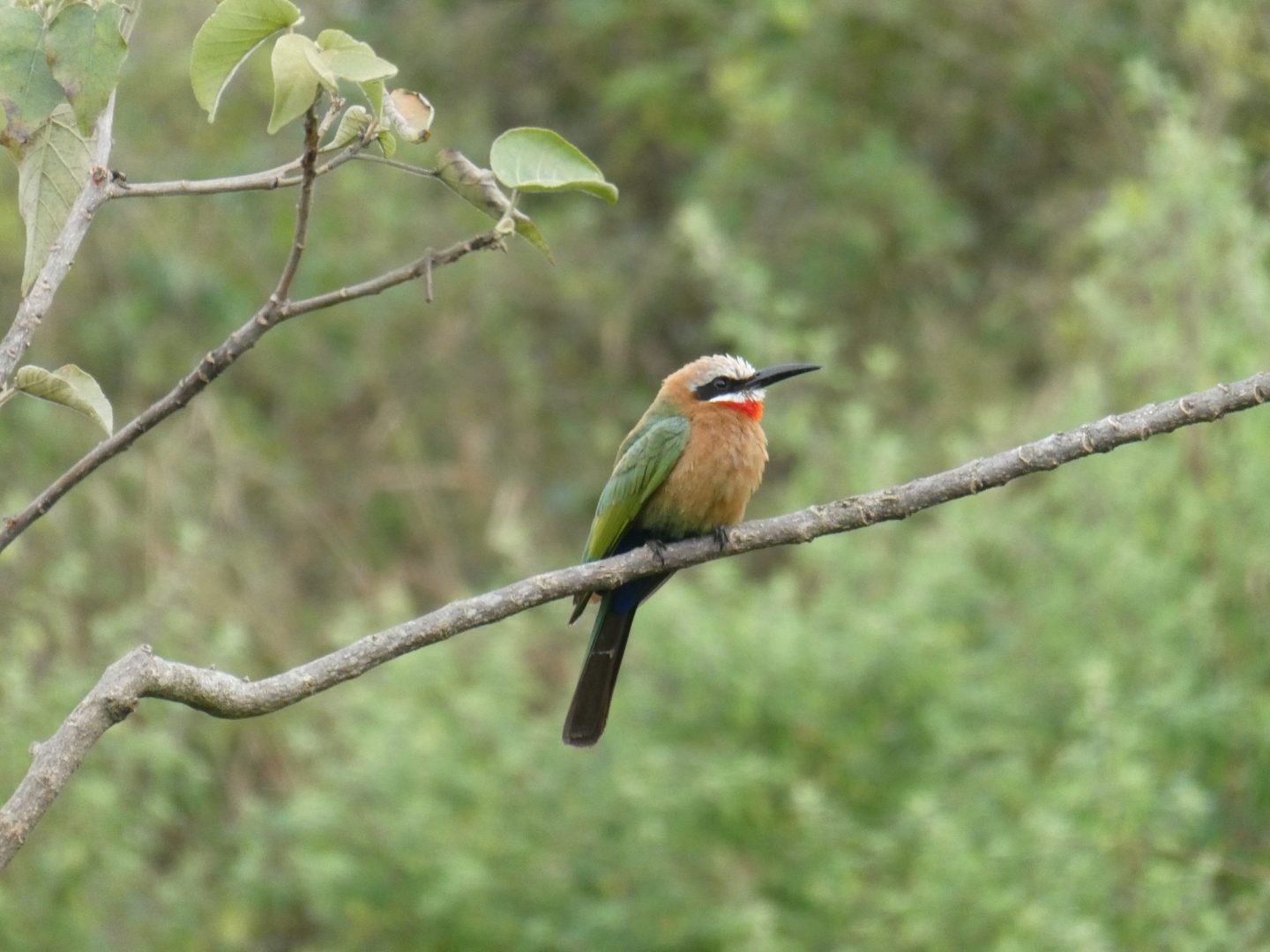
And there were many other birds we haven’t seen before, like this little bee eater. That’s its species, not our comment on its size, by the way.
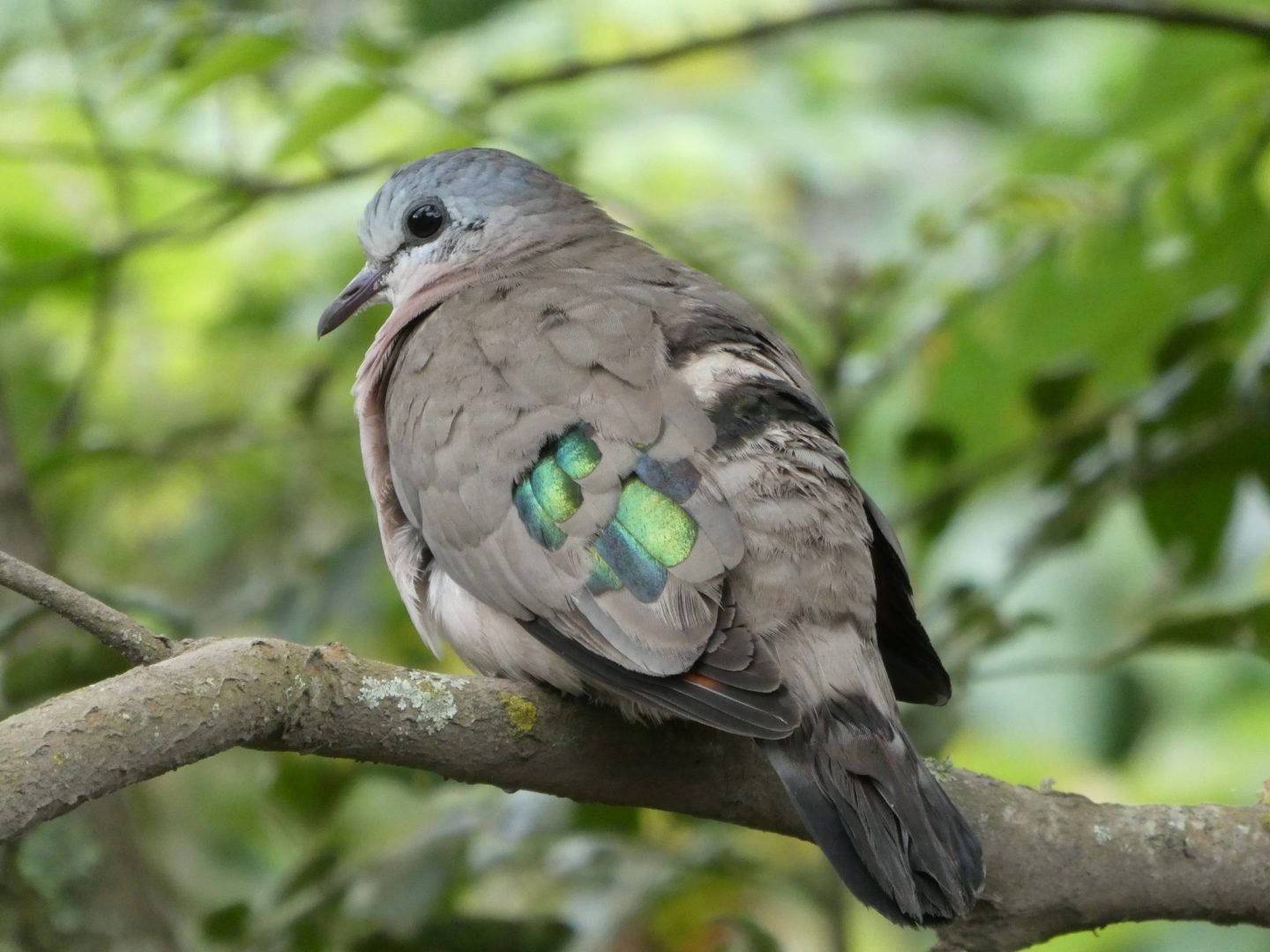
An emerald spotted dove.
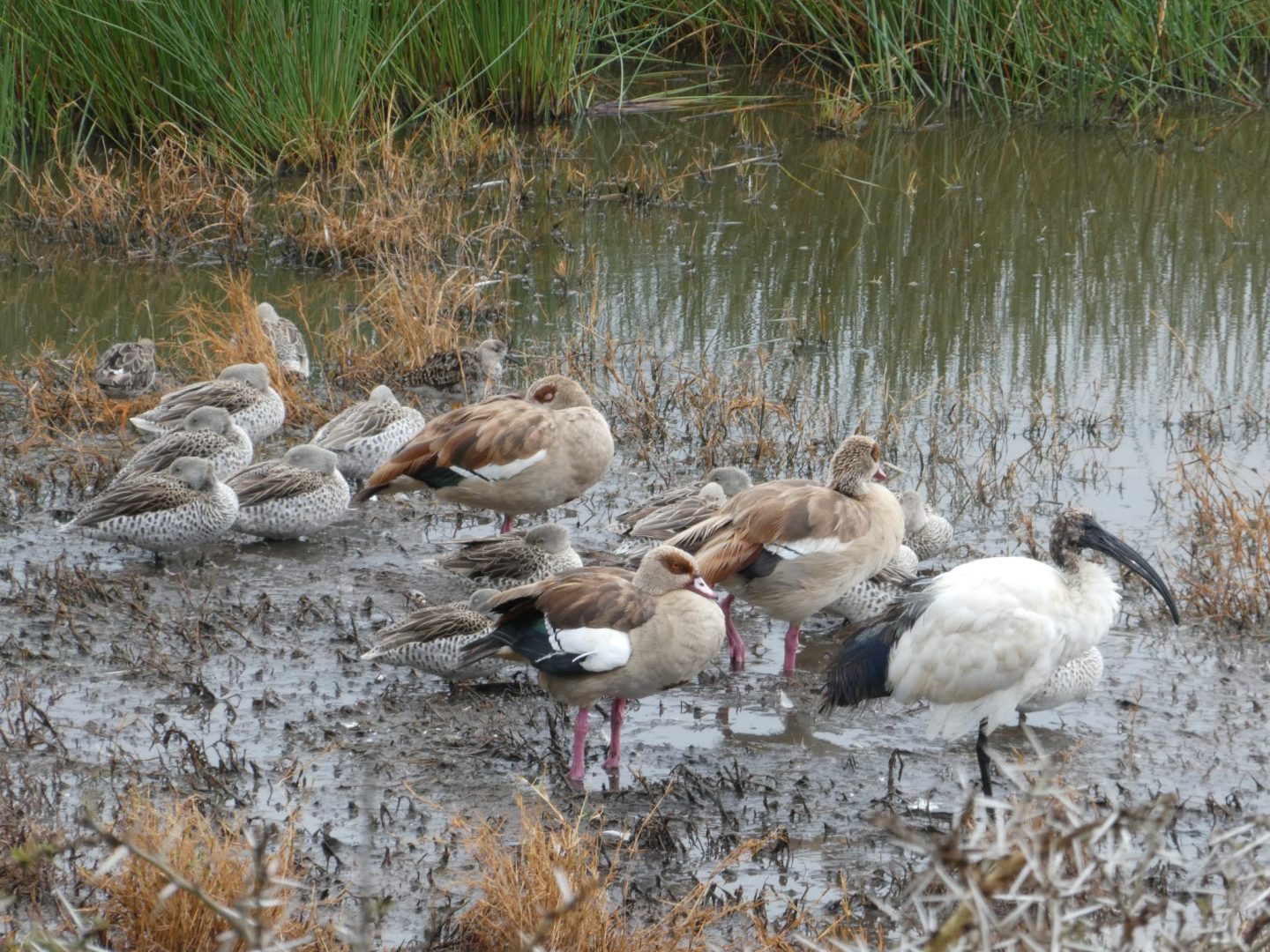
A sacred ibis, a larger relative of Australia’s very own bin chicken, the white ibis. It was hanging out with some Egyptian geese.
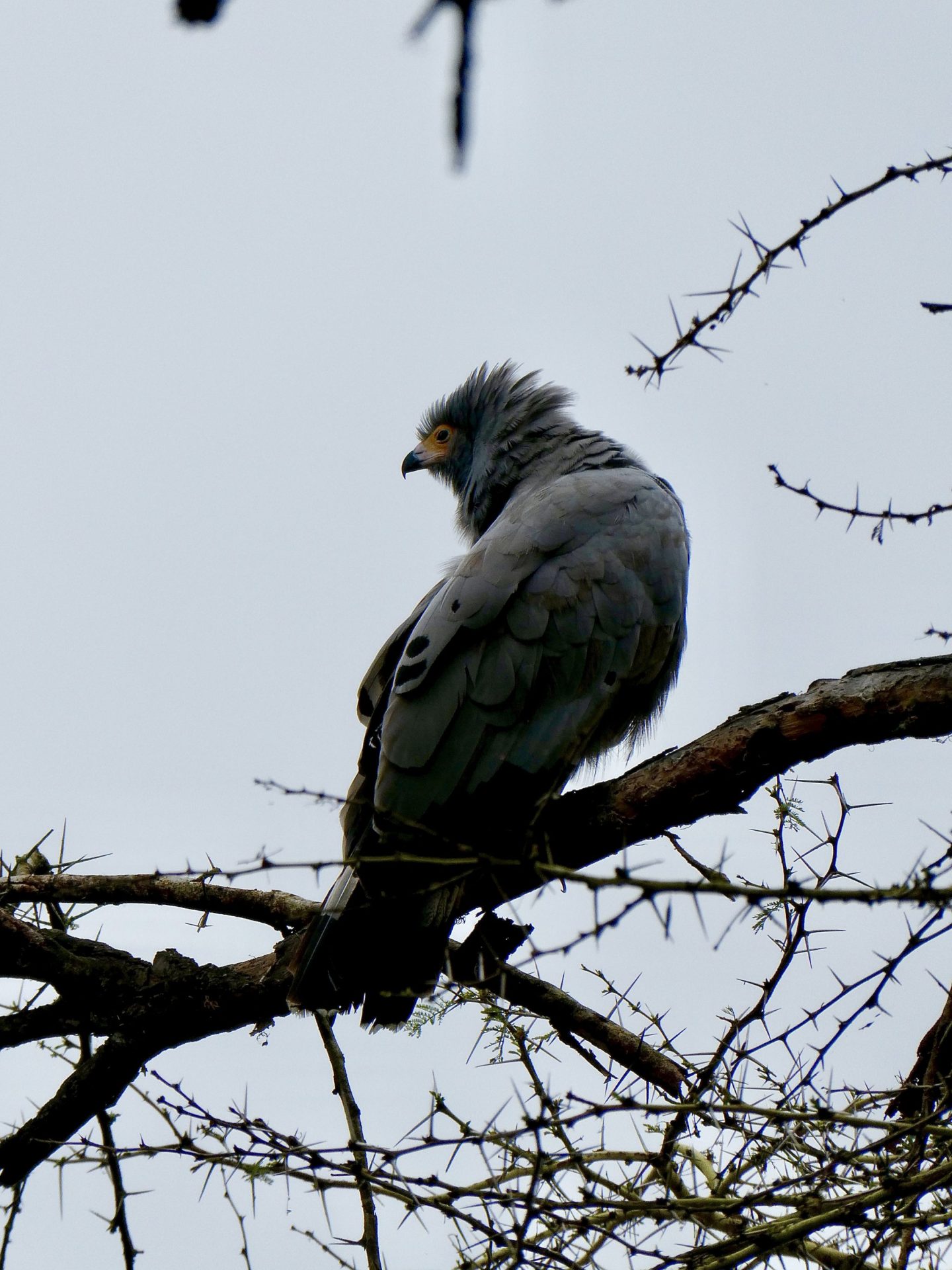
And high in a tree, a greater spotted eagle, scanning for possible prey. These raptors spend the winter in east Africa, returning to Eastern Europe and central Russia in the northern hemisphere spring to breed.
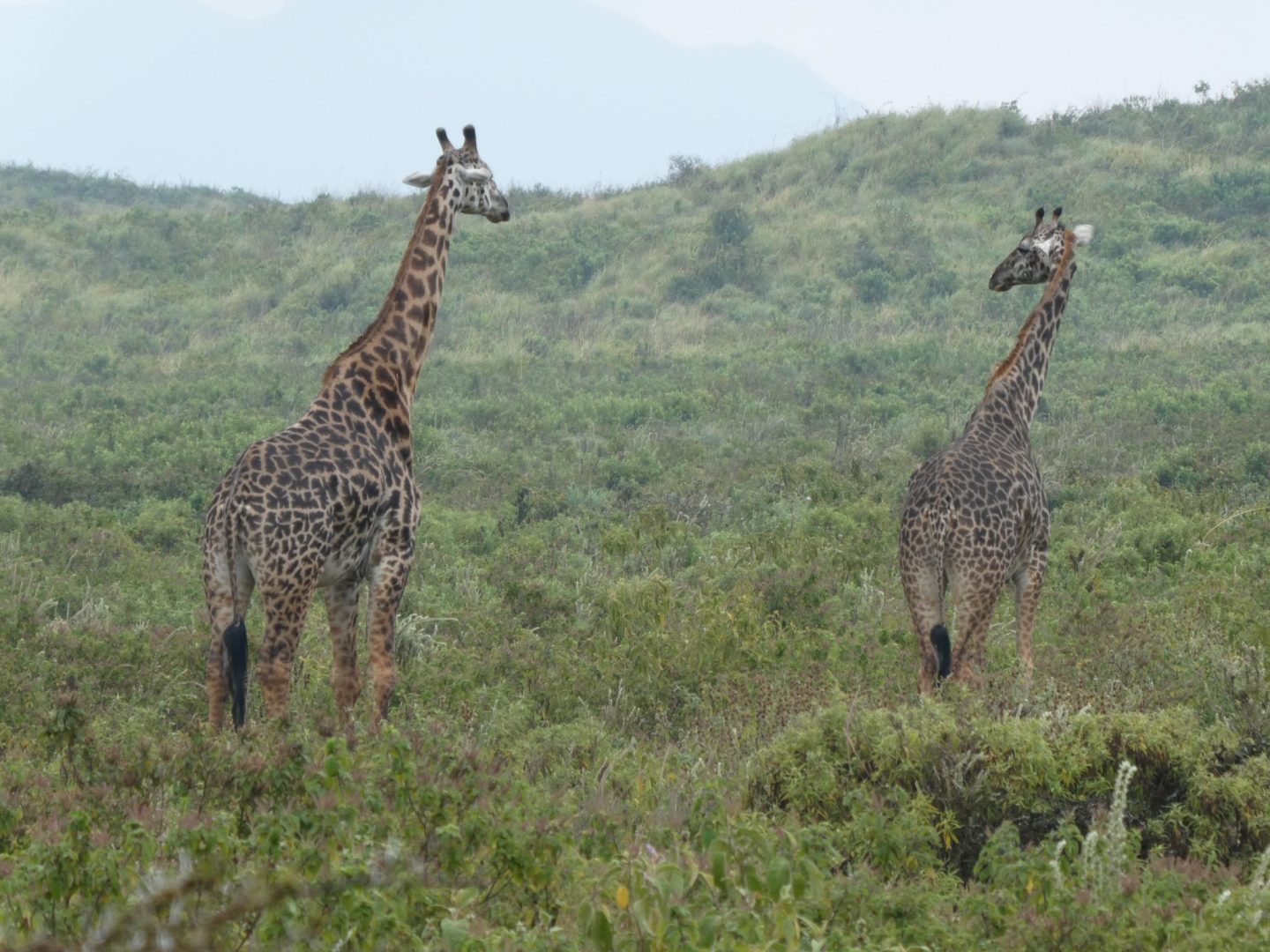
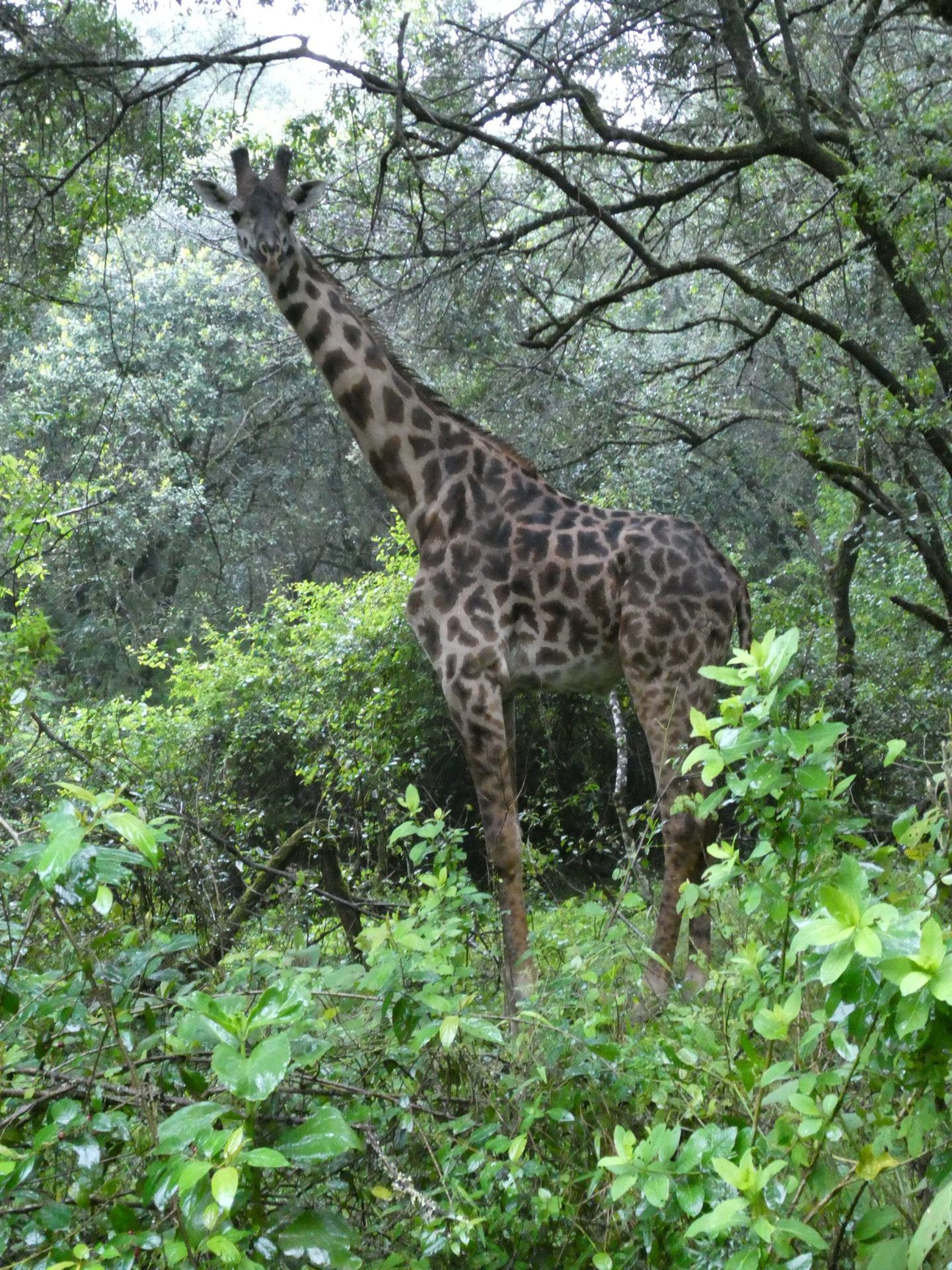
But best of all were the giraffes. Fitting, as the giraffe is the national symbol of Tanzania.
Giraffes’ favourite food is the leaves of the acacia tree. And as these grow in abundance in the park, there’s a sizeable population of these giants, roaming around on the open grasslands and hanging around in the forest.

Fun fact: the giraffe has the longest tongue of any animal on the planet, 45 to 50cm. Its tongue is black, probably to guard against sunburn, given giraffes spend a lot of time with their tongue exposed. That’s because they have to contend with tricky thorns in order to access the leaves they love so much.
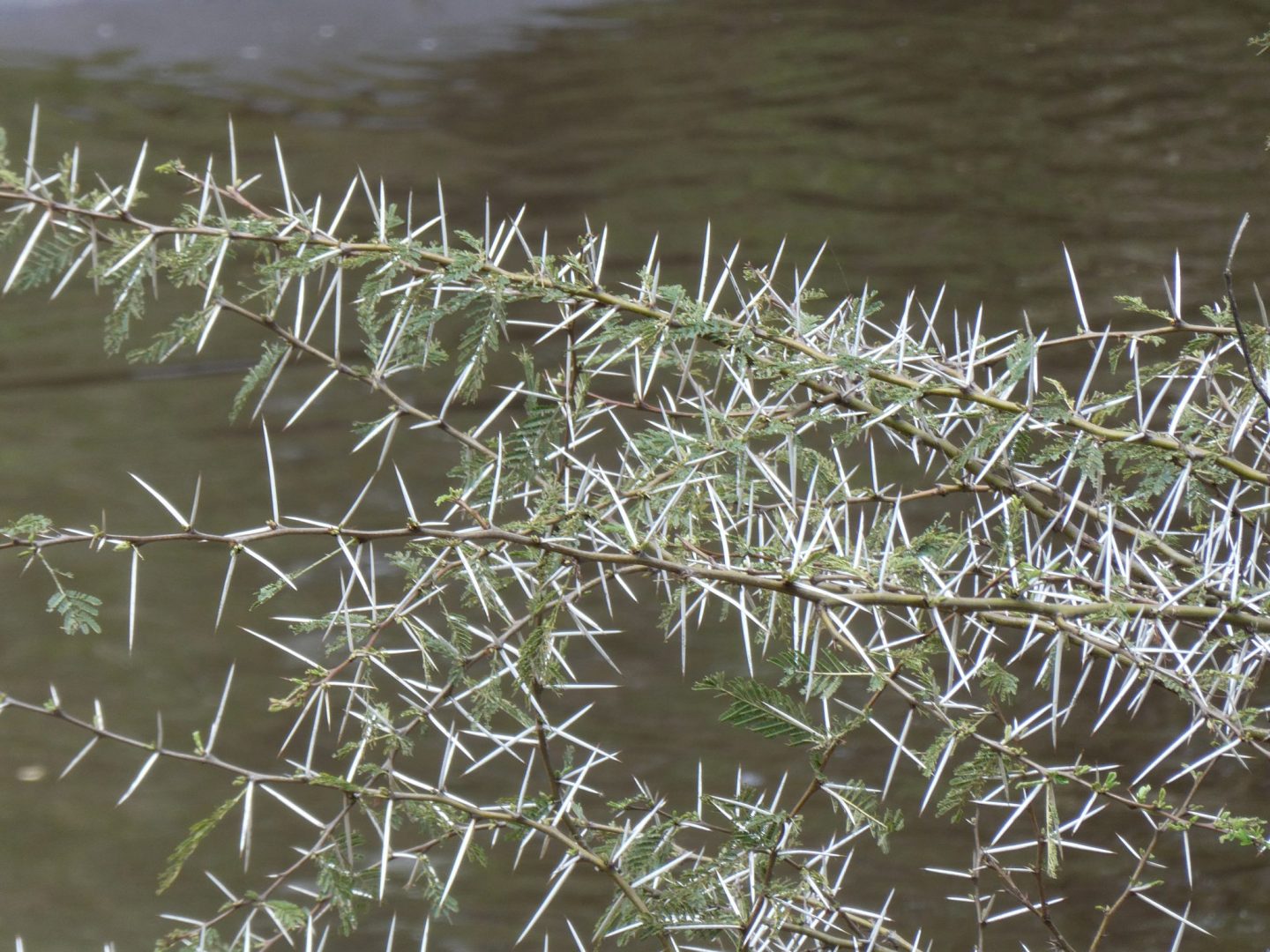
The giraffe’s strong, prehensile and extremely long tongue enables it to extract the leaves from amongst the thorns. This raises an interesting evolutionary question: did giraffes develop such tongues to access the leaves, or did the acacia develop thorns in a vain attempt to deter the giraffes? It’s the African equivalent of ‘which came first, the chicken or the egg’.
With no apex predators in the park, we did a walking safari, guided by one of the park rangers. This was a fantastic experience, enabling us to walk with the giraffes as they meandered around the forest.
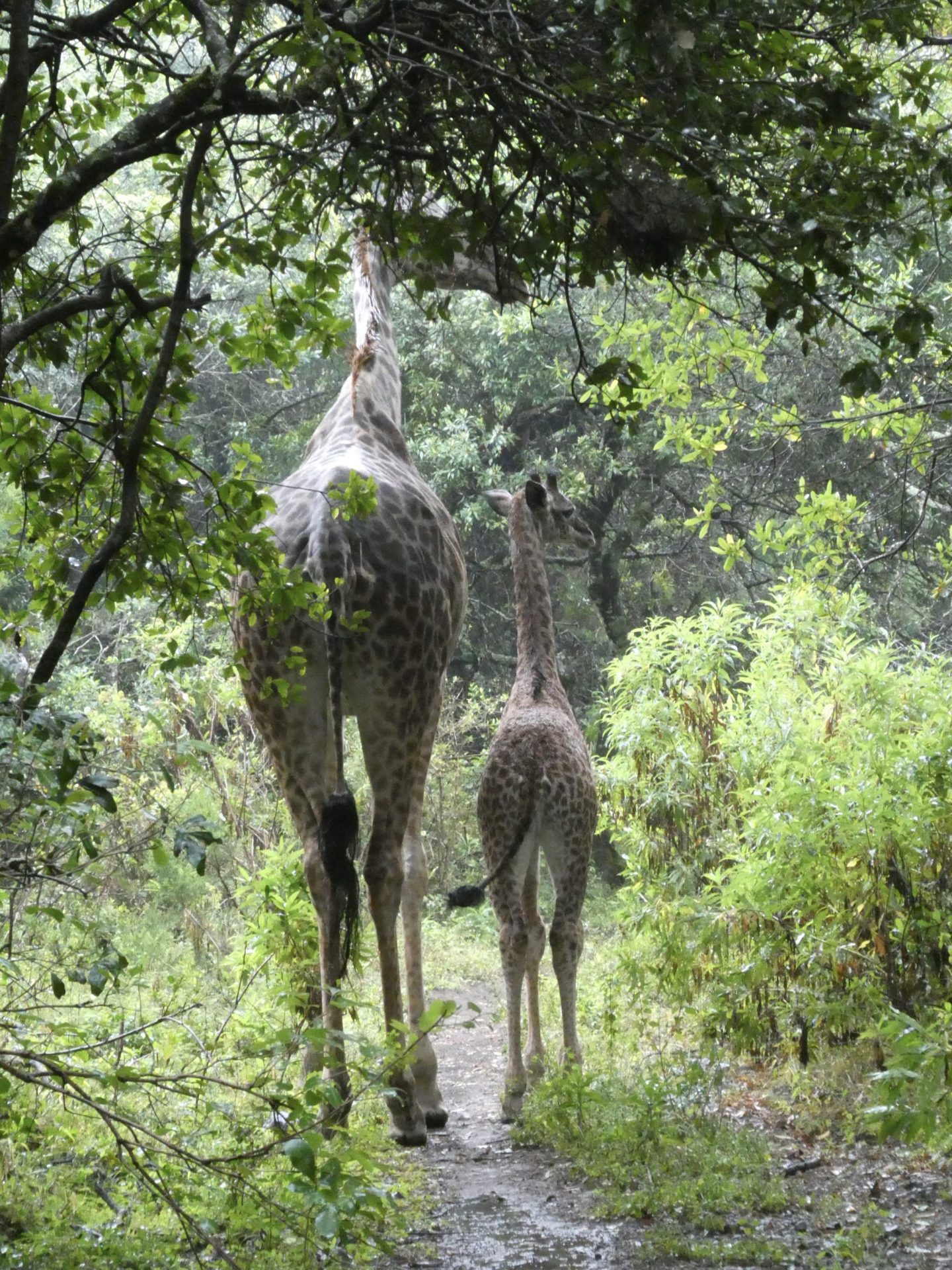
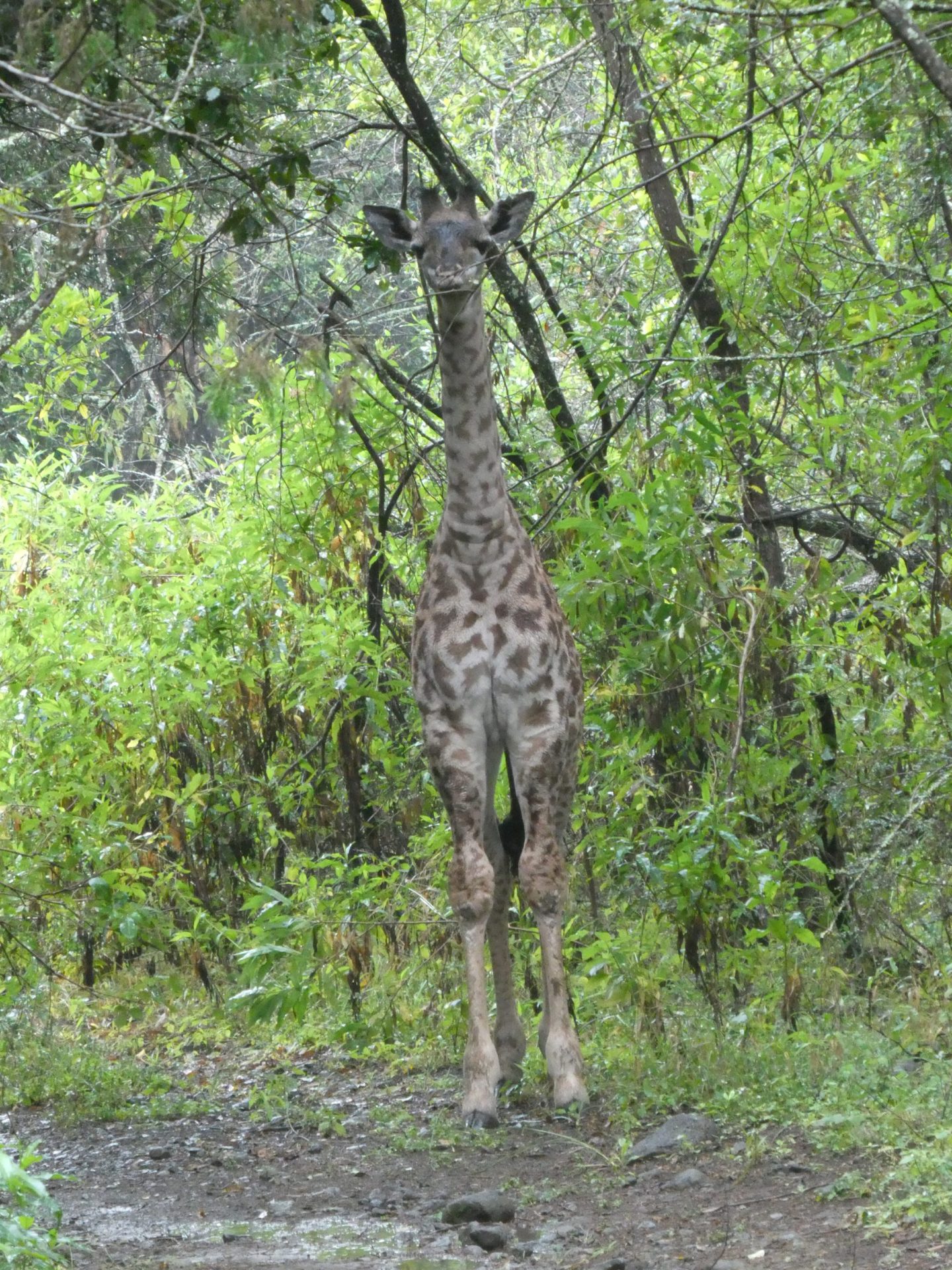
Unless being attacked or fighting for dominance in the mating season, they are gentle giants, and we were able to get close.
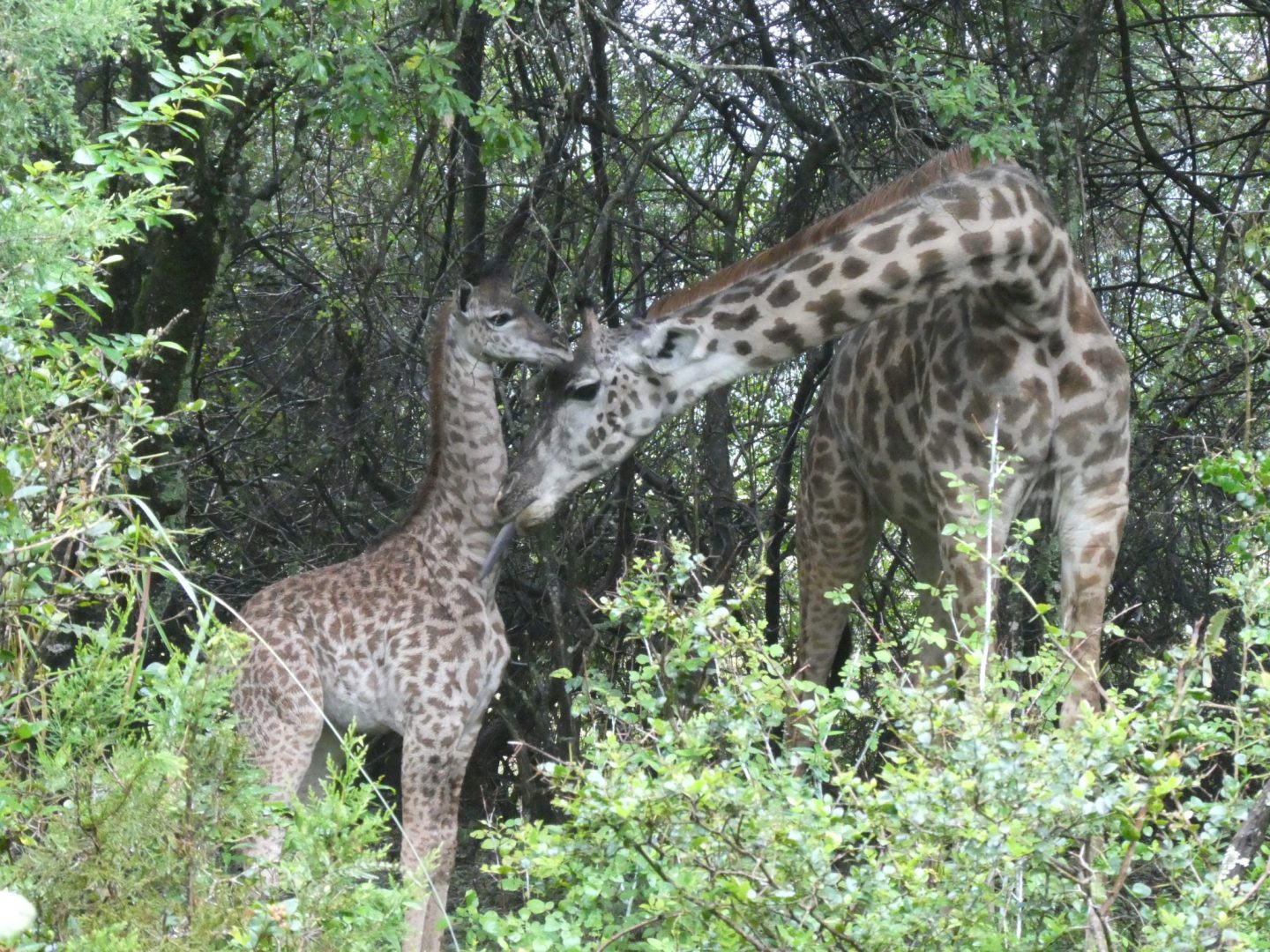 And we mean CLOSE.
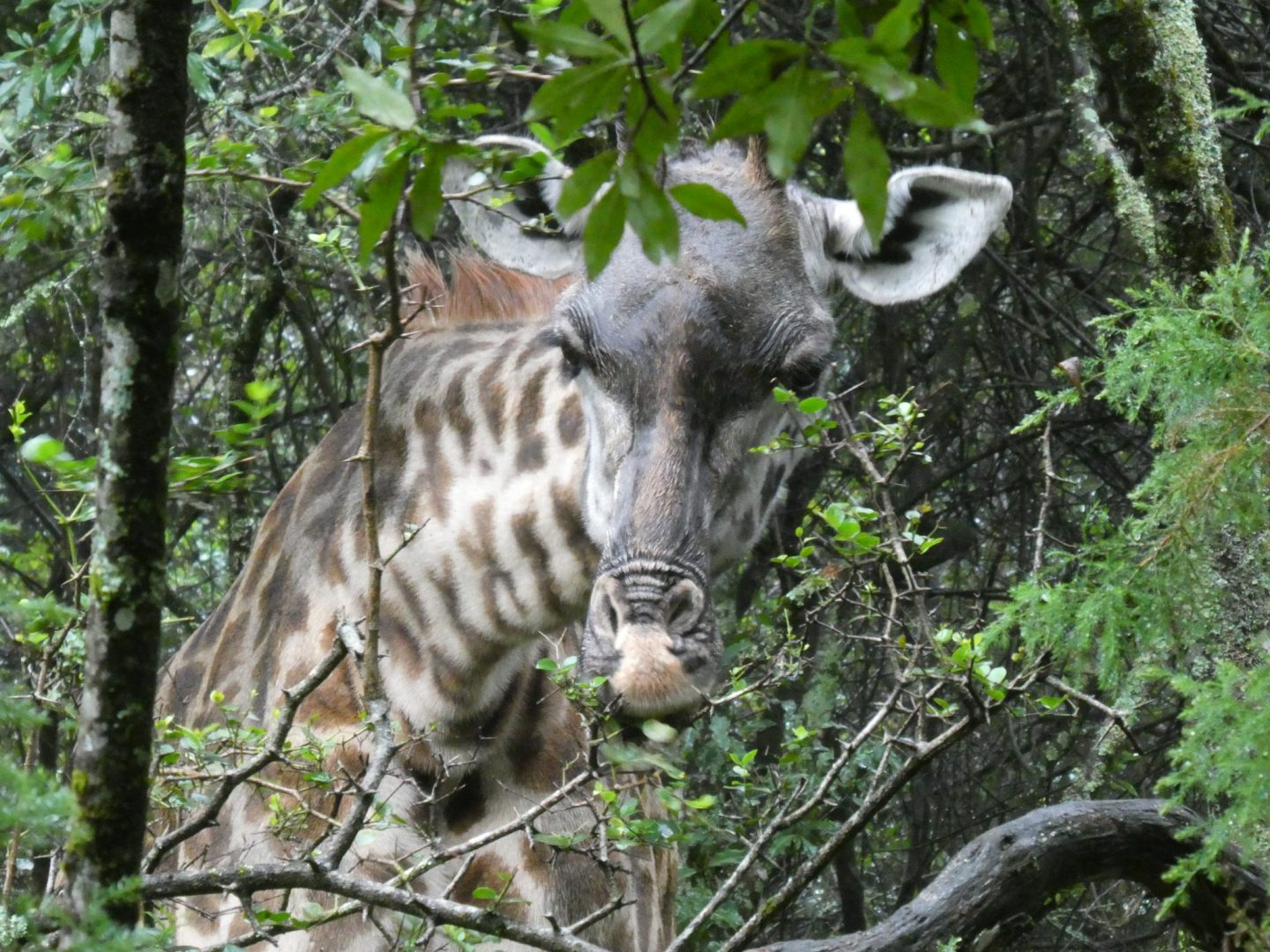
What a great start to our Tanzanian wildlife extravaganza.

what a dazzler ! it’s 3am here wide awake and loving your pics – those giraffes 🦒 such beautiful creatures amd their eyes amd a healthy bin chicken !!! cannot wait for the gorillas 🦍 all well here x
Author
Plenty more to come before we even get to the gorillas!
Thanks for taking us to Tanzania today. Wonderful photos and commentary.
Wow fantastic pics of animals & loved the extension on vocabulary in relation to group of animals – very interesting – walking with giraffes would be a fantastic experience x
Fabulous photos and commentary. Always learn something new as I read your travel journey
We walked with giraffes in the Okavango and had them hanging around the water tank for our glamping tent in Entebene, South Africa. Such beautiful creatures though I have to say the displays of necking we saw were very disturbing. Young males using their very flexible necks to belt each other in an attempt to knock the opponent out in a display of dominance. Frightening sound and hard to watch 😳