It’s been claimed that at the peak of their popularity, ABBA was Sweden’s biggest export. Julie is a confirmed ABBA tragic, so it was inevitable that ABBA The Museum would be top of the list for our visit to Stockholm. John knew it was best not to argue.
The 1970s were simpler times. When a clip like this could be considered credible.

The museum begins with an exhibition of the individual members’ pre-ABBA lives. All were accomplished musicians and singers for years before the band formed.
There’s a mock up of the Polar Studios recording room where most of their music was recorded. And a re-creation of the piano room, complete with Benny’s white piano, from the lakeside retreat where many of the songs were written.
Although already moderately successful in Sweden, the band achieved international recognition in 1974 after becoming Sweden’s first Eurovision winner with the unforgettable Waterloo. The performance is playing on continuous loop on a big screen.
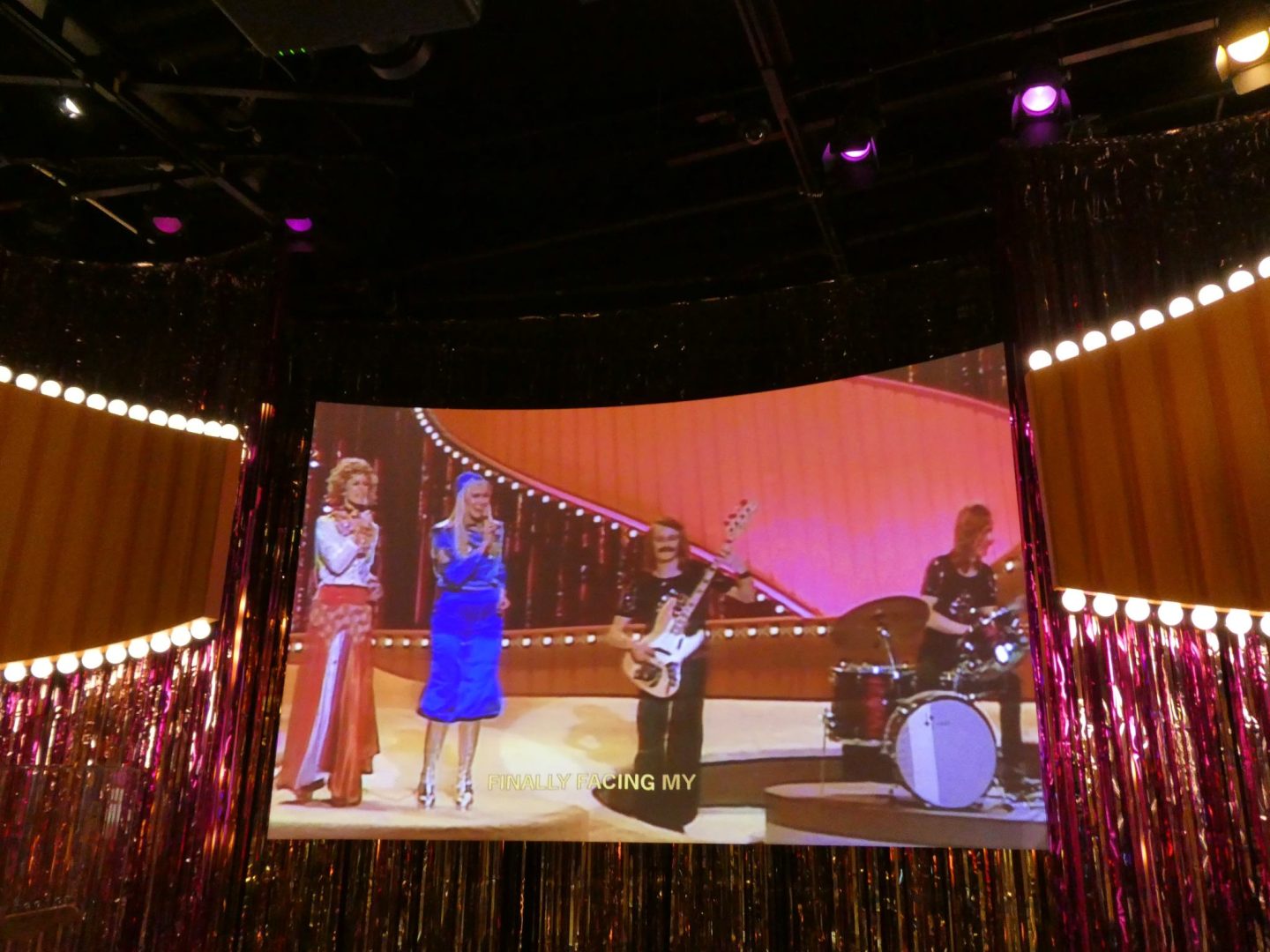
Frida’s dress is on display.

And, of course, the winning medal is here.

You can sit in the actual helicopter in which the band posed for the album cover of Arrival. In 1976, when Julie was only nine years old, her father bought the newly released cassette. For those of you old enough to remember what a cassette was! Other kids had singles, but no one owned the whole album. For one glorious day, Julie was the coolest kid in school.

We spotted a neat bit of product placement by our national carrier, Qantas. Worn by the band members and entourage during the 1977 Australian tour.

The year before their breakthrough Eurovision win, the band had placed third in the national competition from which Sweden’s Eurovision entry is chosen. It was the beginning of the glam rock era, and they were dressed to kill in outfits designed for them by Owe Sandstrom.

They didn’t win, but Ring, Ring was a hit and the costumes marked the beginning of a collaboration with Sandstrom which lasted until the band split up. ABBA was almost as much about the outfits as the music and many of the originals are on display.


And we were lucky to catch a 45 minute presentation by Owe himself discussing the inspiration for various designs. He was a fascinating guy – a qualified zoologist, teacher, flamenco dancer and clothing designer, fluent in at least four languages and quite the raconteur. He even showed some pieces that didn’t make it – like this skunk design intended for an American tour but never used.

True ABBA fans know that the best outfits were the white satin tunics with cat motifs created by Owe for stage performances of SOS and Mamma Mia in 1975. The tunics are still classics. Bjorn’s white overalls, on the other hand, haven’t exactly lasted the test of time.
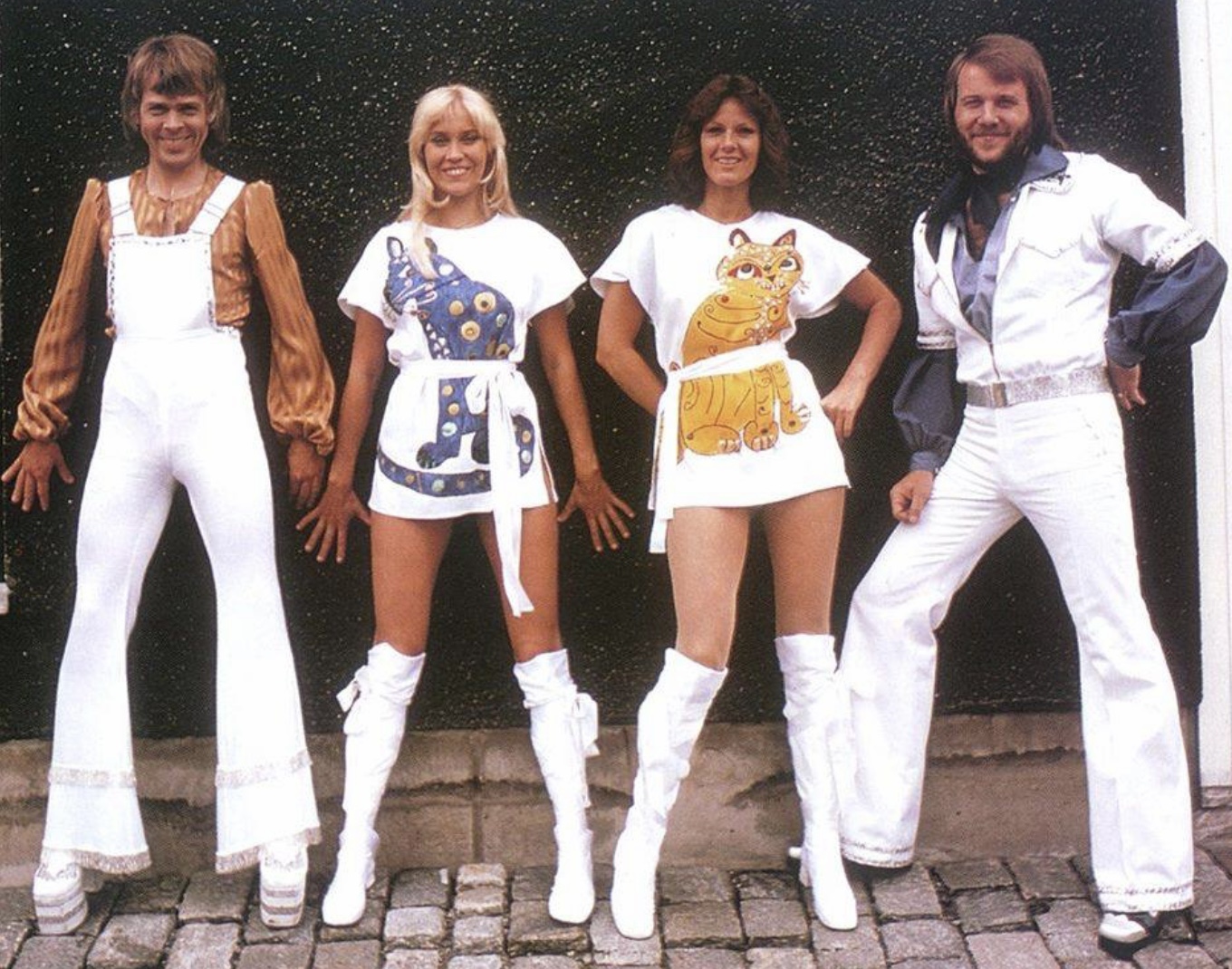
The tour was called Made in Sweden so Owe was thinking yellow and blue, the colours of Sweden’s flag. Agnetha wanted a tiger motif and was in his studio to discuss designs when Owe’s Burmese cat jumped onto the table. The yellow and blue cats were born.
Originals of the outfits, complete with detachable ankle length skirts to pacify a prudish tour promoter in Germany, are in the museum.

Stuffed toy versions designed by Owe are for sale in the gift shop. Buying one was a no-brainer since they combine two of Julie’s great loves – ABBA and cats. Owe happened to be in the shop and offered to sign it for her, so we are now the proud custodians of a personally autographed ABBA cat.


The museum has entered the digital age. You can perform on stage with avatars of the band, and there’s a temporary exhibition on the making of ABBA’s virtual concert Voyage which is running in London.
Visiting the museum was a joyous exercise in nostalgia for Julie. After three hours immersed in kitsch, John begrudgingly admitted he rather enjoyed it too, and even said it made him want to see the virtual concert. A true case of Stockholm Syndrome.
On a more cerebral note, Stockholm has some great maritime museums.
We started with the Vasa Museum.
Vasa is the largest wooden shipwreck ever raised and conserved.
The massive warship sank just 20 minutes into her maiden voyage in 1628. Several of her cannons were salvaged in the 1660s, but otherwise she lay untouched at the bottom of Stockholm harbour for 333 years, gradually settling into the mud.
Ironically, she survived in part due to pollution.
In warm, oxygen-rich waters, the wooden vessel would have been consumed by shipworms within a year or so. But oxygen levels are low in the cold, brackish water of the Baltic, and for centuries, Stockholm’s waste was dumped directly into the harbour, releasing hydrogen sulphide as it rotted which reduced the oxygen levels even further. Shipworms, bacteria and fungi couldn’t thrive, and over the years destruction of the wood was only millimetres deep.
Despite lying in only 32 metres of water, and close to so much port development in modern times, her location remained a mystery until 1956.
In 1961, the 600 tonne waterlogged ship was raised to the surface but that was just the start of the preservation process.
After long periods of submersion, wood exposed to air will shrink, crack and crumble as it dries out. Preservation of the Vasa pioneered a process also used on the Viking ships we saw in Roskilde, but on an epic scale. For 17 years, the exposed wood was continuously sprayed with polyethylene glycol, which pushes the water out and bonds onto the inside of the wood cells, providing support. It’s the same substance used in lipstick and anti-constipation medication. Versatile! Then she was slowly air dried for another nine years before being mounted on a supporting cradle in a purpose-built pavilion.
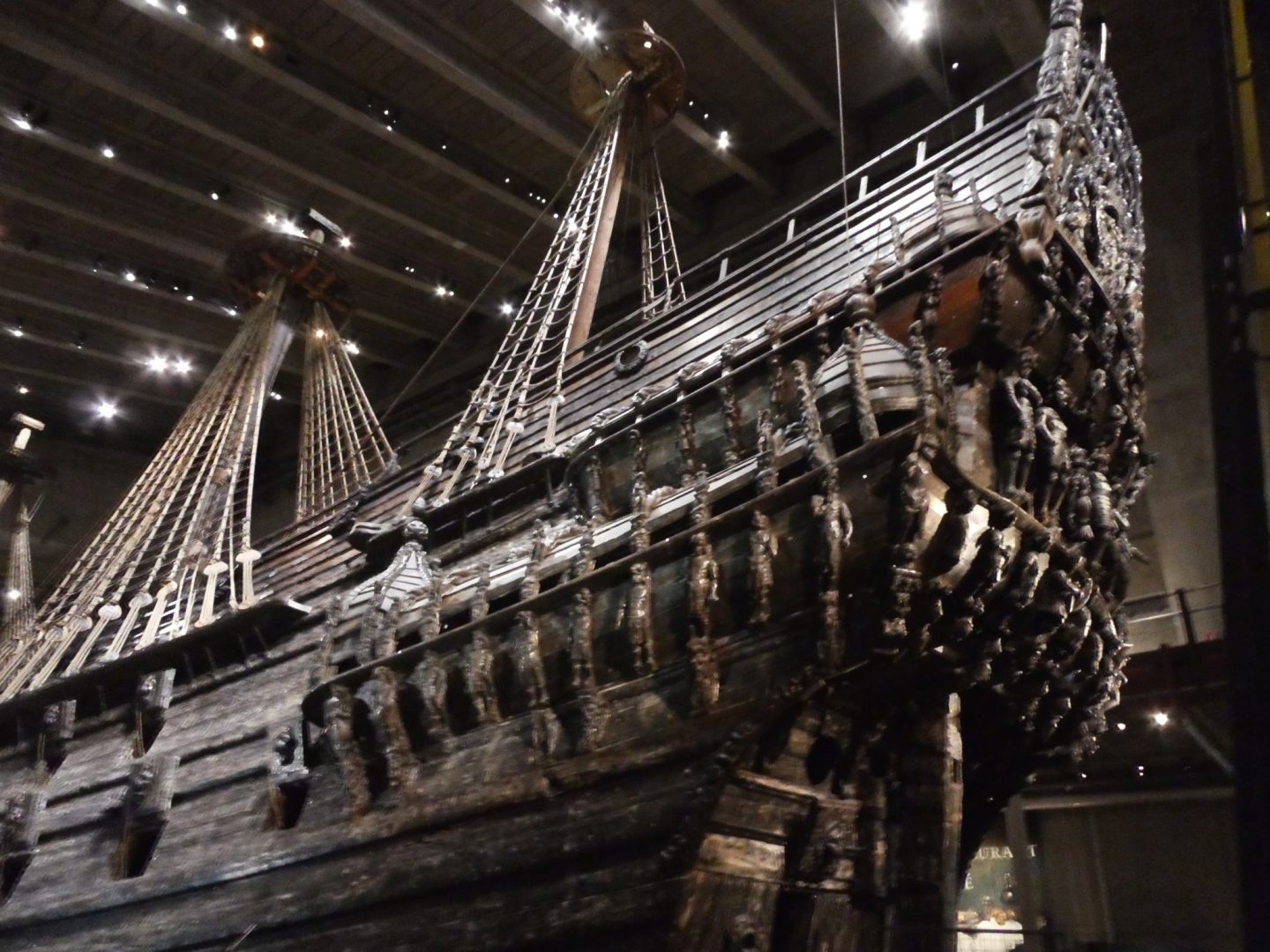
Preserved, she weighs around 850 tonnes, the equivalent of six jumbo jets. For an idea of her size, spot the tiny people on the gallery next to the top deck in this next photo.

The detail on her hull is incredible, as much about projecting wealth and Royal power as being an effective battleship.

The Vasa’s sister museum, the Museum of Wrecks, is pretty cool. It profiles the wreck of Resande Man, which sank in 1660. It’s been deemed too delicate to salvage but many of the items on board have been 3D mapped and are presented in the form of holograms.


Visitors can also don 3D headgear and ‘dive’ on a wreck, photographing items on the deck for identification and study. An immersive experience for anyone who hasn’t scuba dived, and a great recruitment tool for the little-known job of marine archeologist.
At Sweden’s History Museum there’s rooms and rooms of exhibits about Viking culture. Lots of swords but sadly no helmets with horns. Apparently they were nowhere near as ubiquitous as popular culture suggests.

The Gold Room – really an entire vault – contains one of Europe’s richest collections of antique gold and silver, thanks to a 17th century law that any unclaimed find of gold, silver or copper alloy more than 100 years old must be purchased by the State.
There’s the expected assortment of crowns, spurs and jewellery.

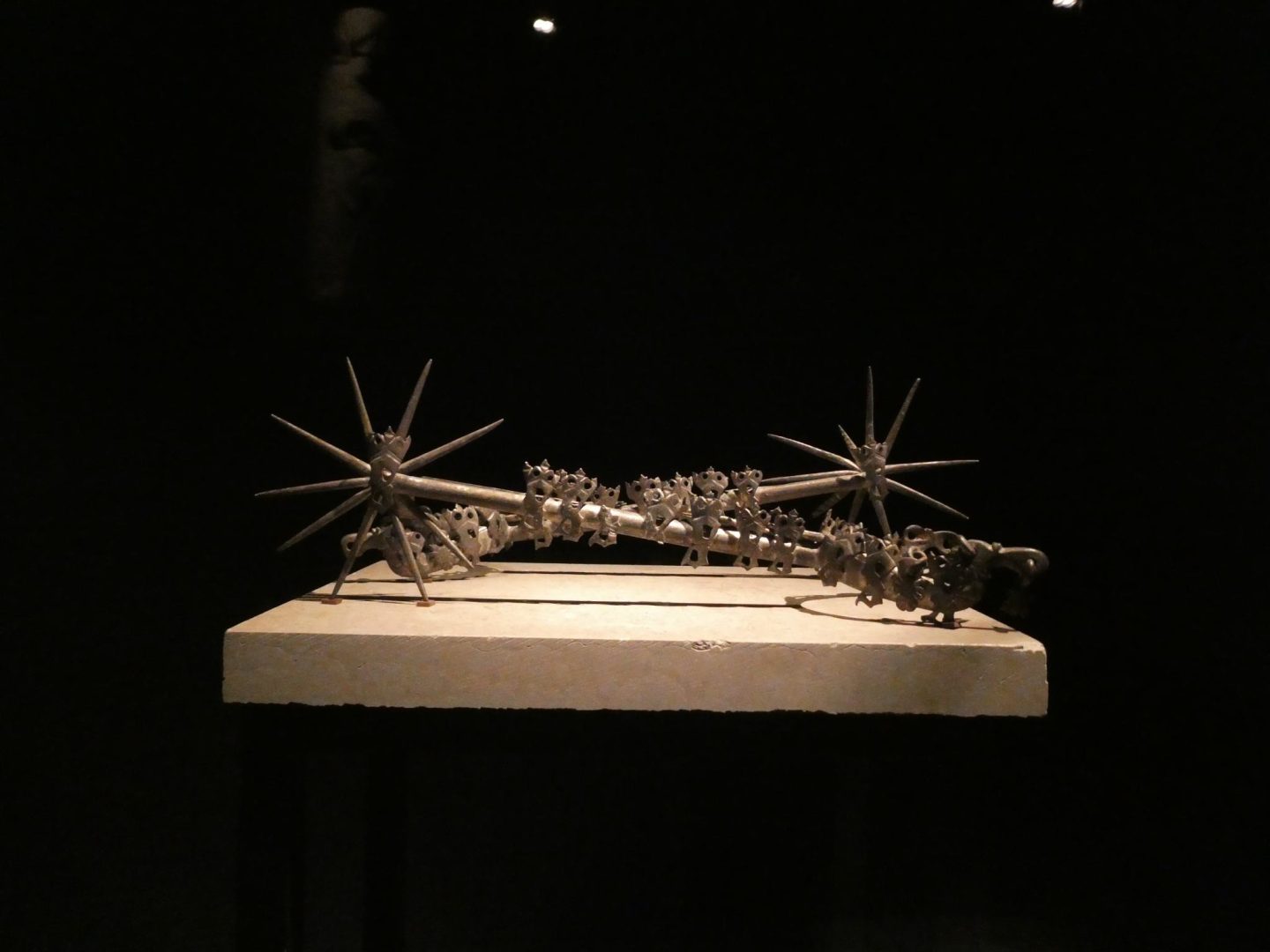

And also some unusual ones.
How lucky was the farmer who decided to remove a large rock from his land in 1922 by dynamiting it, only to have a shower of 16th century silver spoons and bowls and a collection of gold coins come flying out – a family’s stash hidden in a cleft of the rock 400 years ago.

One of the most ornate is this reliquary crafted to contain the skull of Saint Elizabeth of Hungary, which probably came to Sweden as the spoils of war.

There’s a bunch of other museums including the Nobel Prize Museum, with exhibits on the prize categories and profiles of some winners. We missed it, thanks to Julie mixing up the opening hours. Probably in her haste to get to the ABBA museum.

Stockholm has enough museums to keep a visitor occupied for weeks. Maybe because it’s often ‘museum weather’. It was cold and drizzling for our first few days and we felt a bit like this little statue.

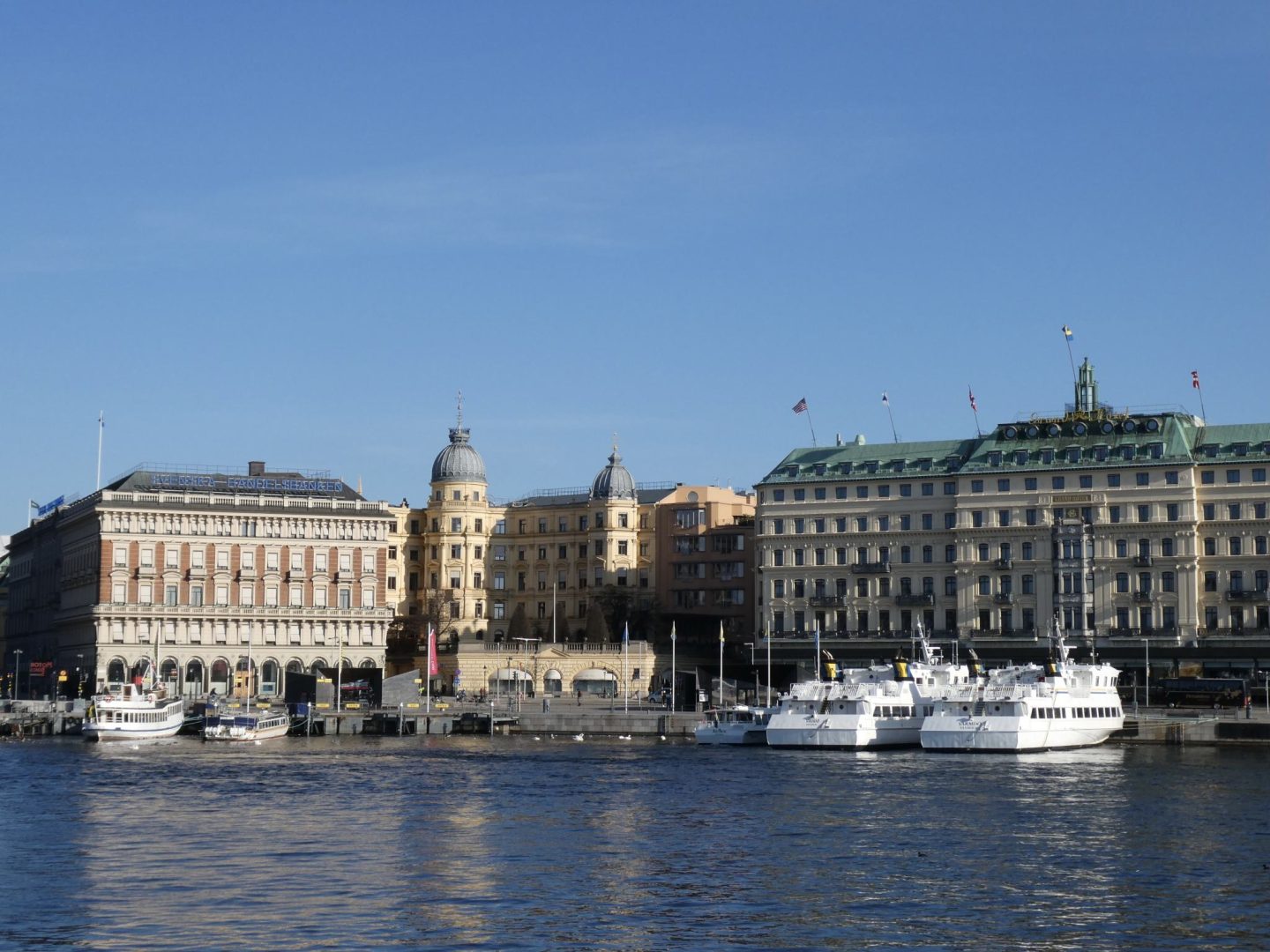
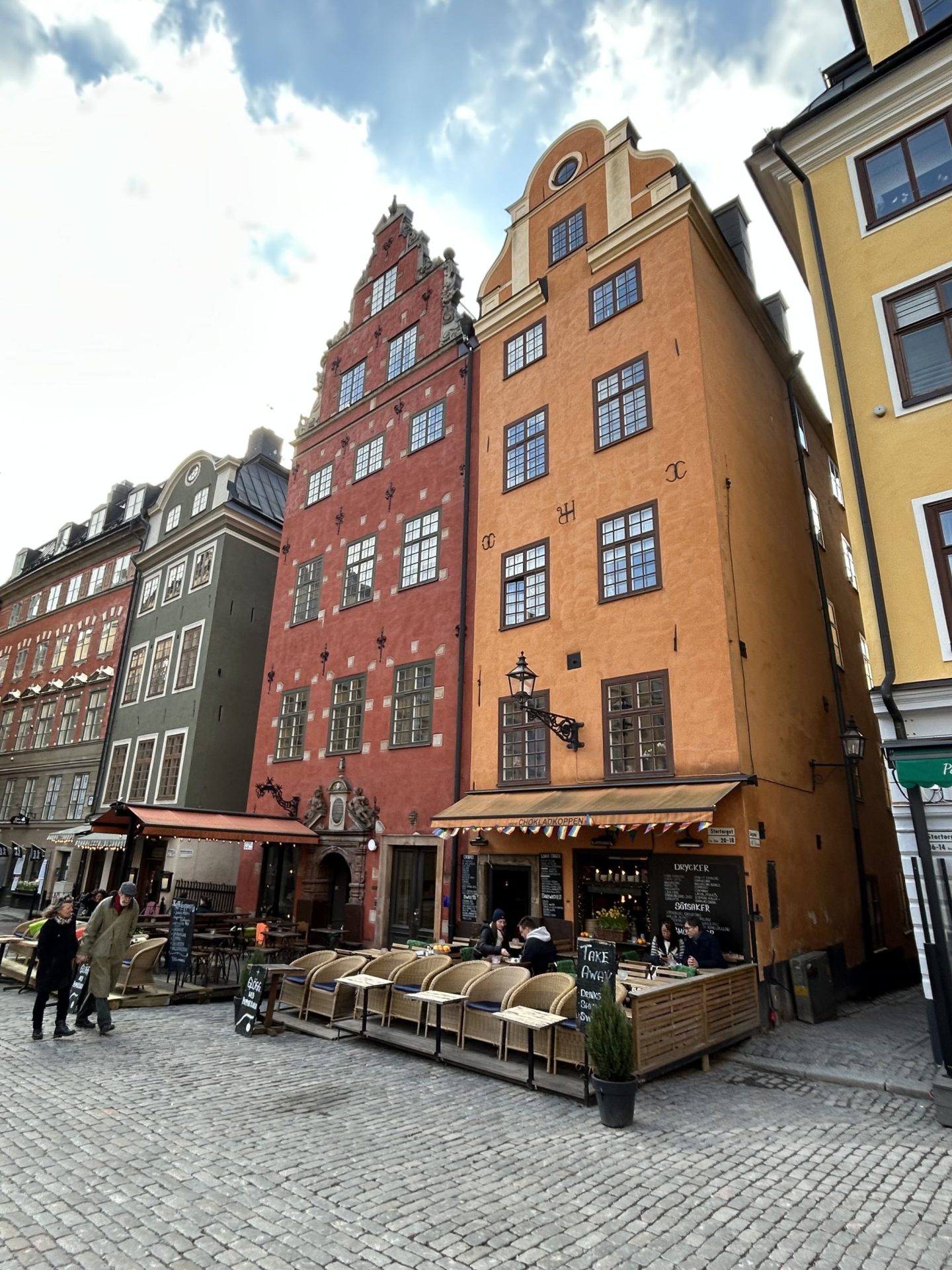
But on our final day, the clouds cleared. In the sunshine, it’s a pretty city indeed.



Wonderful photos and writing 💛🙏🏻
Great blog and you are alive and busy. Pretty good.
Liz
What a great artistic convergence for you : ABBA plus cats 😀