Zanzibar. Just the name conjures up images of exotic spices, white sailed dhows, a maze of stone lanes, and a cultural melting pot combining African, Arab and colonial influences.
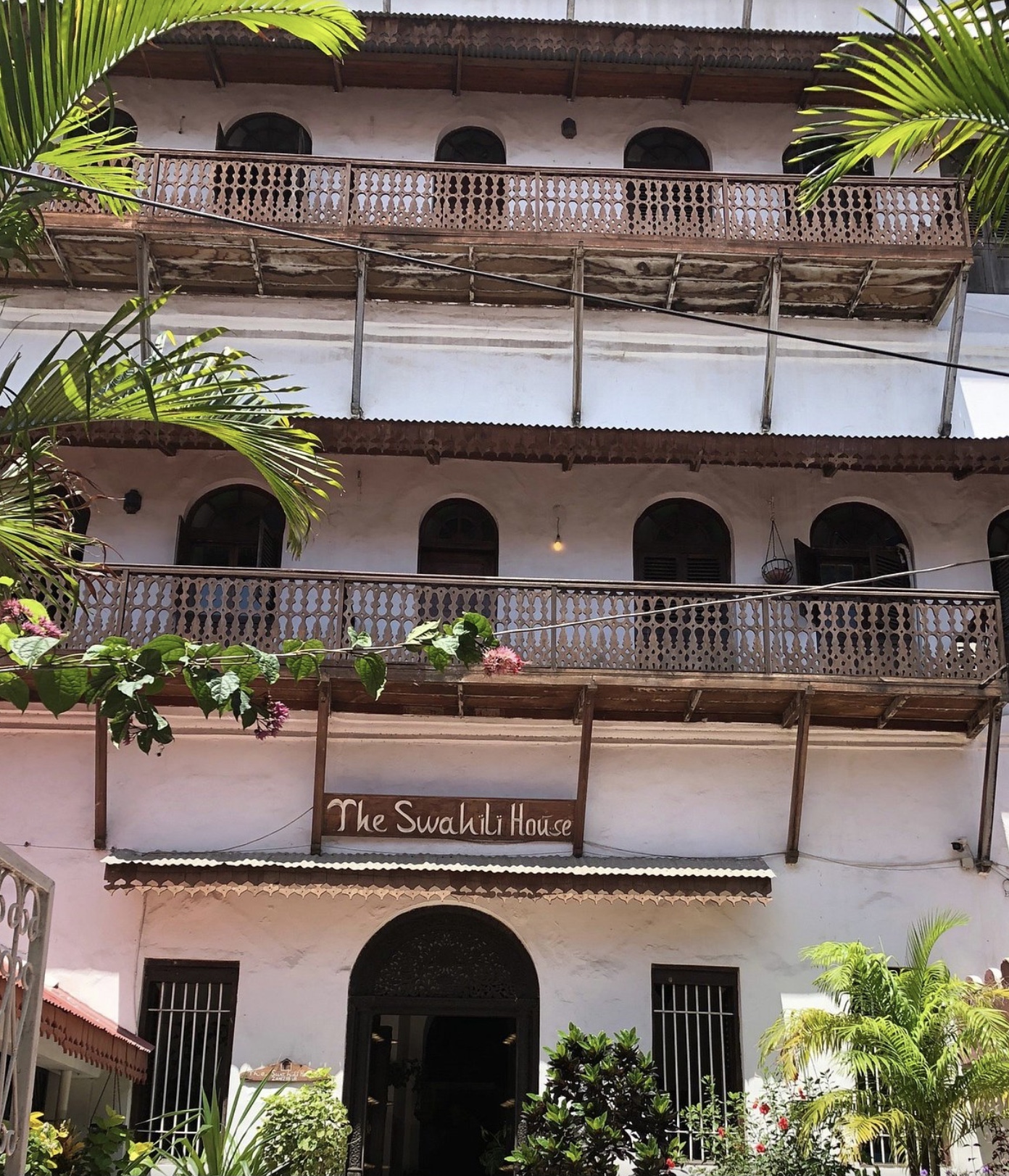
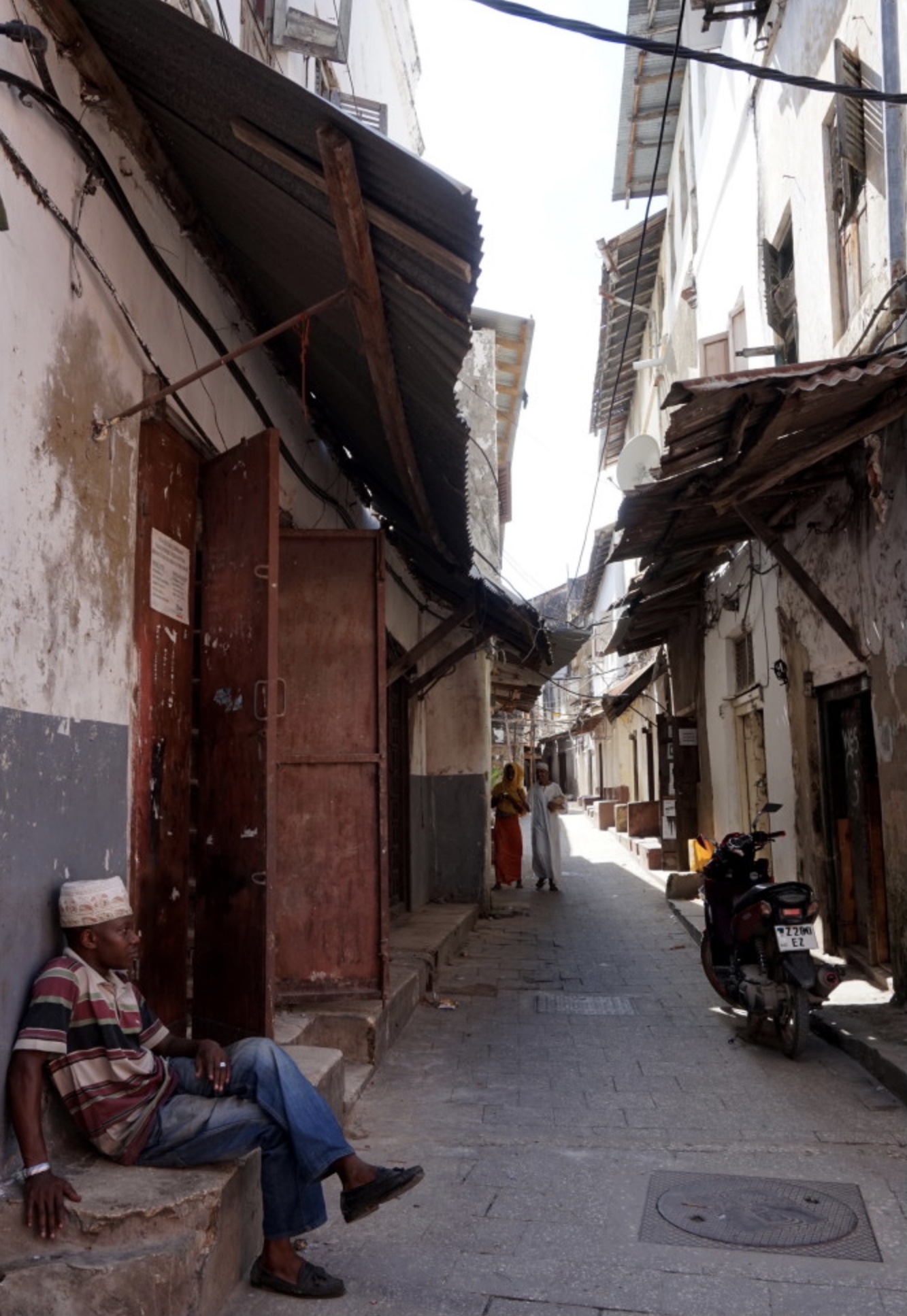


The Zanzibar Archipelago, lies about 30km off the coast of Tanzania. There are three main islands – Unguja Island which is commonly referred to as Zanzibar, Pemba and Mafia – and a bunch of smaller ones.
After a month bumping around in 4WDs overdosing on safari animals, we were ready for some island time. We flew from Entebbe to Zanzibar City and spent three nights in Stone Town, its historic centre.
From at least the 9th century CE, Stone Town was at the centre of African-Arabian trade. Persian, Indian and Arab traders arrived by sea to buy gold, ivory and ambergris, and caravan traders bringing those commodities from inland Africa bought cloth and other imported goods coming from India and the Middle East to sell on their trading routes back on the mainland.
In the 14th century, Omani Arabs established a Sultanate based out of Stone Town, put down roots, inter-married with the locals, and brought Islam to the islands. Although Zanzibar became a British protectorate in the 1820s, it remained a Sultanate until the 1960s, when self-rule and then a revolution led ultimately to its merger into the Republic of Tanzania.
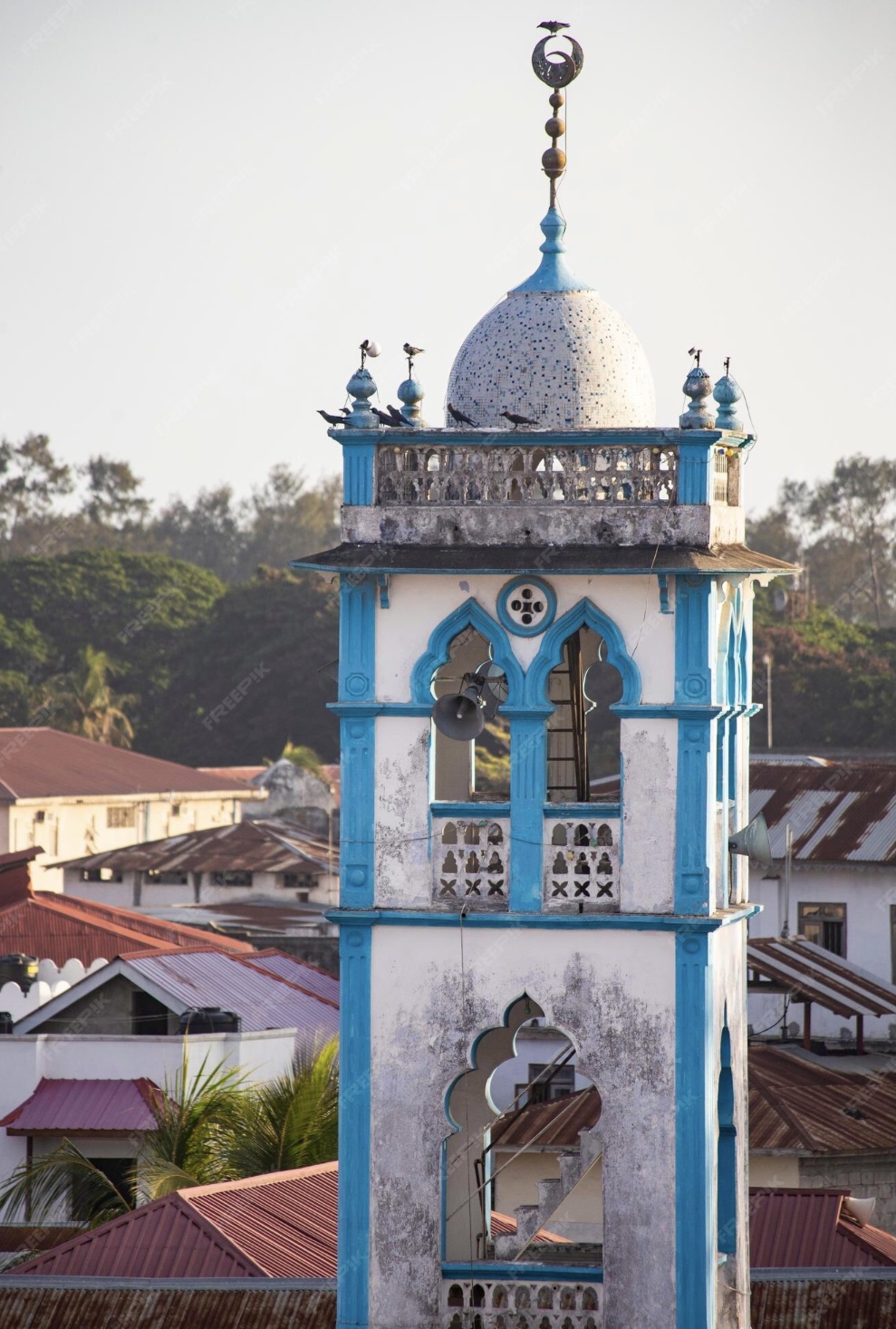
Today, Stone Town remains distinctly Islamic. Women dress conservatively and the majority wear headscarves. The call to prayer sounds regularly. There are mosques and Islamic schools scattered throughout the town.
Stone Town has a dark history, too. From at least the Middle Ages, slaves from the mainland were brought to Zanzibar and trafficked to the Arabian Peninsula. During the 19th century, the Omanis established large scale clove and coconut plantations on Zanzibar Island and Pemba using slave labour. At its peak, the slave trade constituted one-third of the Sultanate of Zanzibar’s income, and about two-thirds of the archipelago’s population were slaves.
Under pressure from the British, slavery was abolished in 1873. In the preceding 40 years, more than 600,000 slaves had passed through Stone Town’s slave market. The Anglican Church, which had long campaigned for abolition, acquired the site, demolished the market and built a cathedral over the remains.

Remnants of the underground holding pens where slaves were kept in cramped, miserable conditions before being paraded for sale, have been retained as a reminder of the site’s grim history.

In the building above the pens, there’s an excellent museum on slavery in Zanzibar, and a memorial in the grounds honours the memory of those who passed through.

Stone Town’s tangle of crooked lanes has been there for centuries, and some parts, like the fish market, remain untouched by tourism.


But these days most of the laneway shops are solidly directed at tourists.
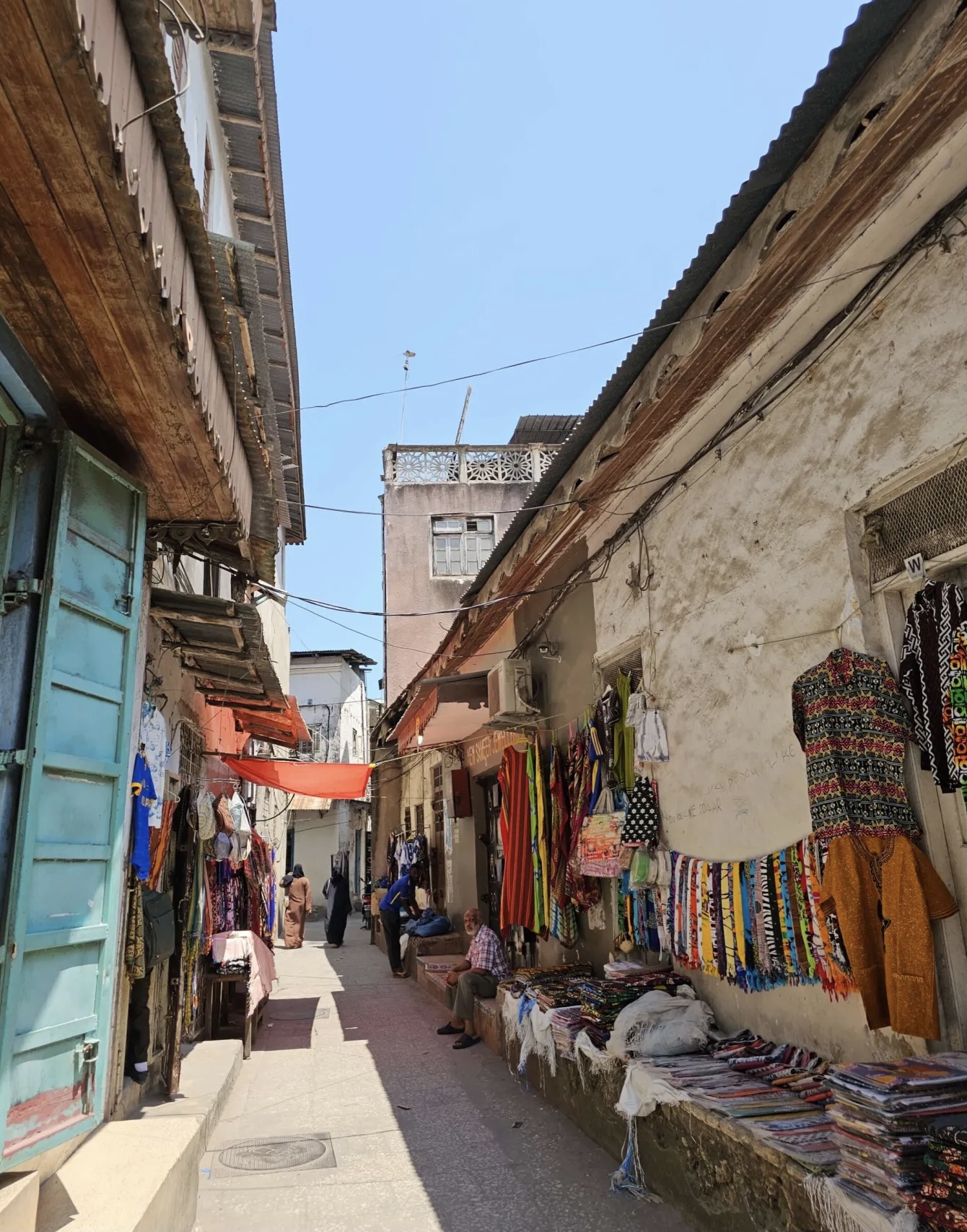
There’s lots of hassle. The tired old refrains: “Hello, sir. Where you from?” “You want boat trip/spice tour/walking guide?” “Come into my shop. Free to look.” You know a place is getting slammed by tourism when a ten year old girl with an angelic face tries to charge you double local price for a bag of crisps, and when you say the correct price, she just accepts it and smiles unrepentantly as if to say “can’t blame me for trying”. They learn the art of the deal at an early age here.
Most tourists head to one of the many resorts which now dot the coast of Zanzibar Island but we were looking for something more secluded.
Pemba has a reputation for pristine reefs, some of the best drift diving in east Africa and for being, not just claiming to be, genuinely “off the beaten track”. It delivered on all fronts.
Where Zanzibar Island receives over 700,000 visitors a year, Pemba gets a mere trickle. The 8-seater plane ride was a bit bumpy, but the island is a paradise.
We stayed at the superbly relaxing Afro Divers on Pemba’s far north coast. It’s owned by a delightful Dutch-French couple who’ve run a dive operation on Pemba since 2019 and have just opened a ten room lodge built around a stunning pair of baobab trees.


Complete with three dogs to keep us company during afternoon drinks.


While watching glorious sunsets over the Indian Ocean.


Ten, yes, ten, rescue cats, who will sleep in your room if you let them.


And otherwise, will snooze anywhere that takes their fancy. Like all cats, they have a knack for finding the most comfortable spots.

And a rescue parrot with attitude.

Breakfast couldn’t get any fresher.

They made a fuss for Julie’s birthday, with a private dinner on the beach.

Out the front, local ladies have a seaweed farm.


It’s all done by hand and looks like hard work wading in full traditional clothes. They harvest and dry it for sale to local small businesses and to middlemen who sell it to foreign companies for use in soap, cleansers and cosmetics.


Most importantly, though, was the diving.
What’s missing from this dive boat? A ladder. Easy backward roll to enter the water, but harder to get back in, especially with gear on. John found a technique for launching himself in, but Julie managed to look like a whale beaching itself every time.

But the underwater world was magical. Lots of corals we’d never seen before. Morays in a variety of colours. John saw a white one with black spots which he declared was the biggest he’s ever seen. Some really beautiful star fish, a range of colourful nudibranchs, lion fish, a grouper ‘den’, turtles, small sharks, wrasse and more.
Here are some shots taken by the resort owner, Michael, who dived with us on our last day.
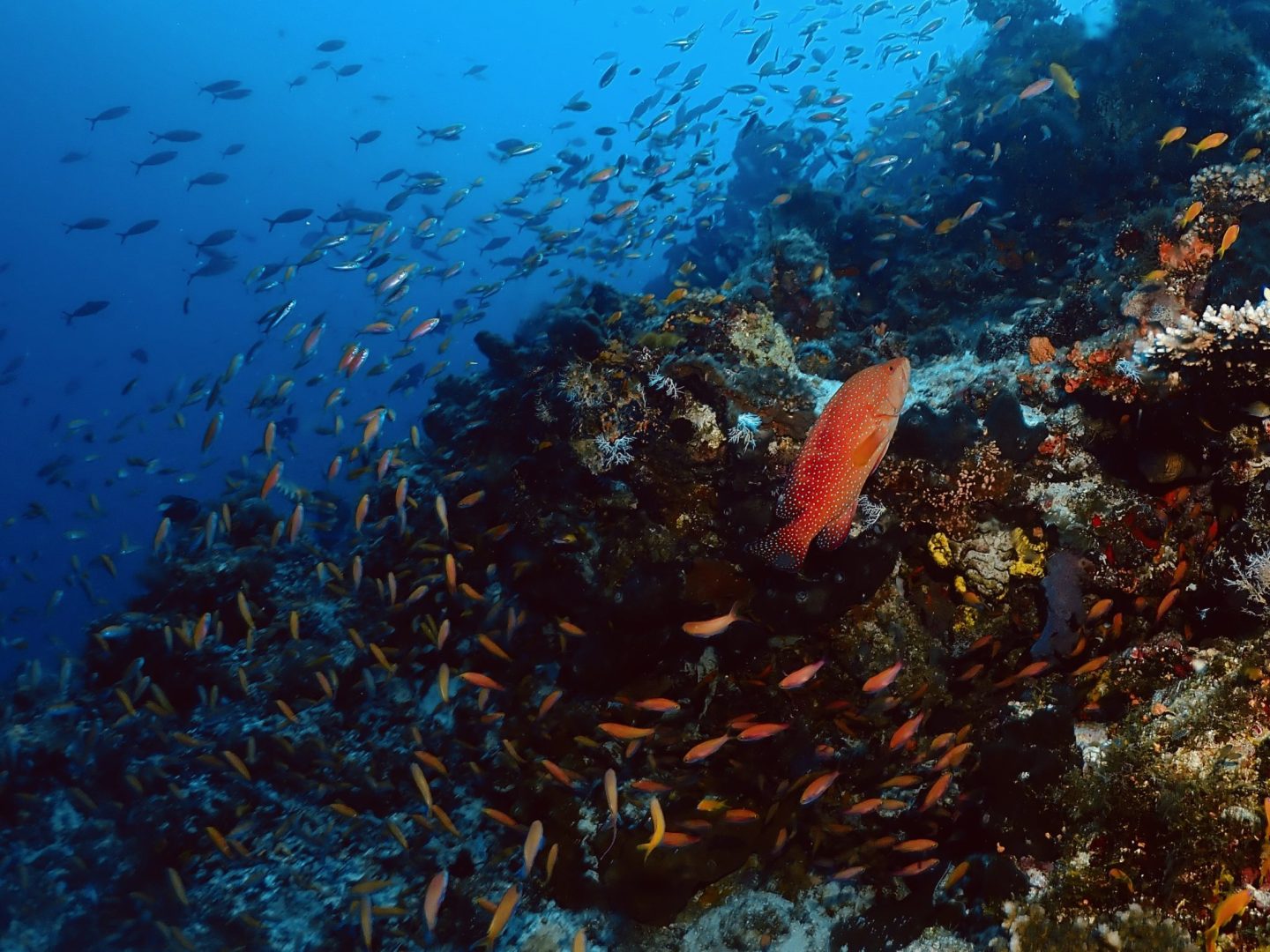
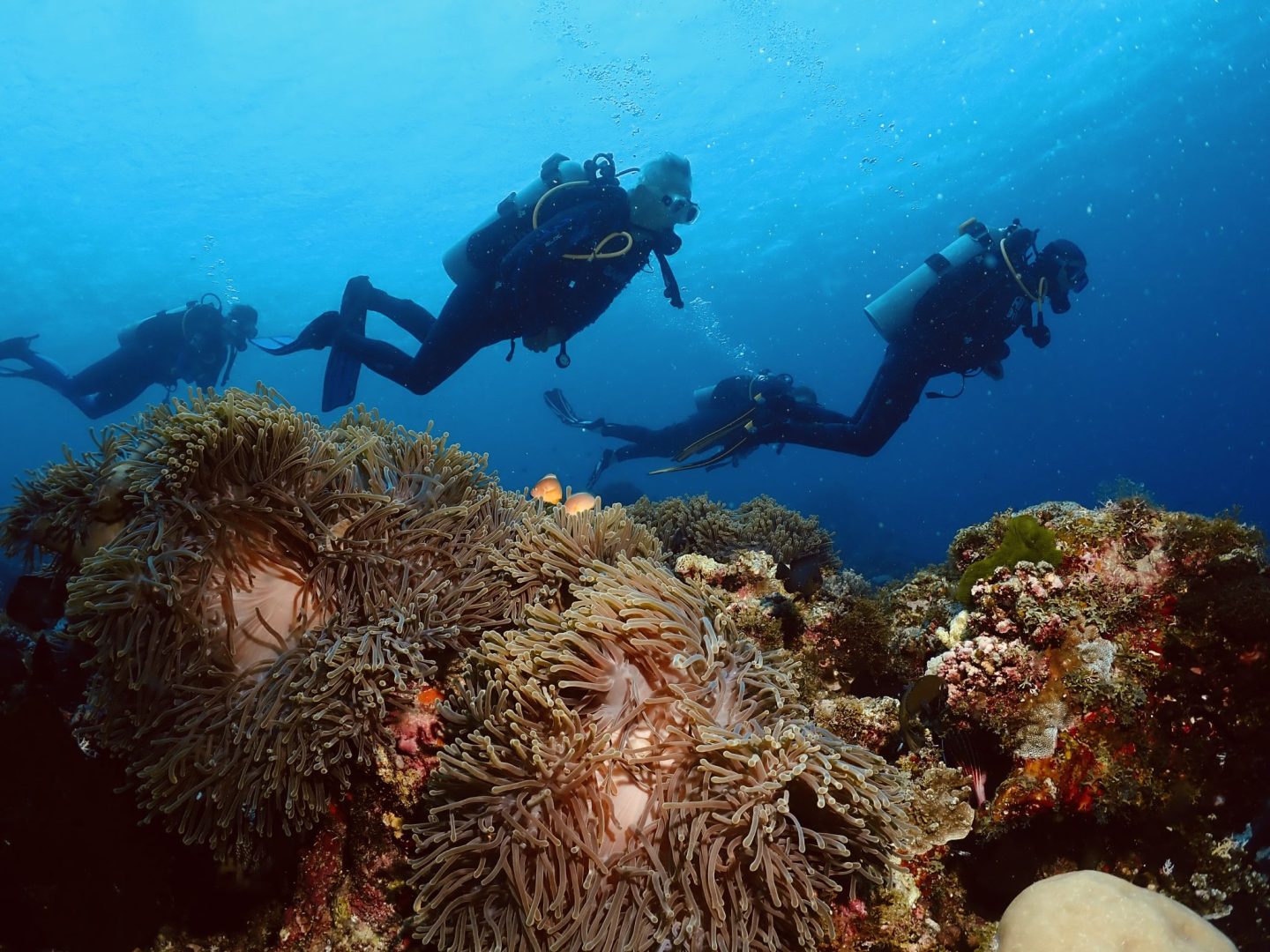


By day three, we were so relaxed John was half way through putting his wetsuit on when he realised he’d got one leg correct but put the other leg through one of the sleeves.
The water was a bracing +/- 22 degrees, but there was just enough current to stop us getting too cold. And in a week of diving we did not see any other divers or dive boats at any of the sites we visited. Magnifico!

I remember Sean recommended Pemba to us. Looks like he was on the money, as usual. 😀